
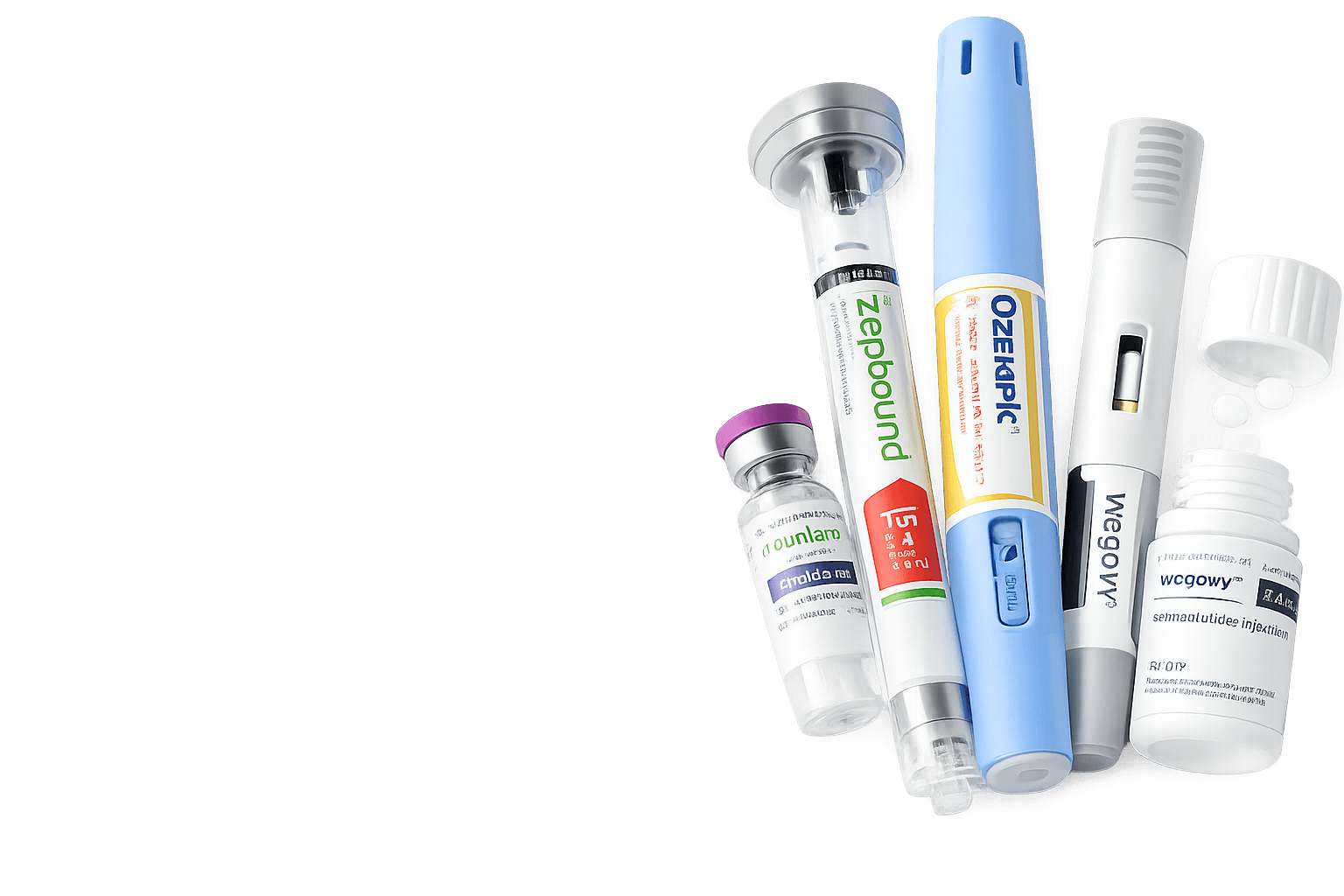

Beyond Weight Loss: GLP-1 Receptors in the Brain

GLP-1 receptors aren't just found in the gut and pancreas - they're widely distributed throughout the brain, including areas involved in reward processing, emotional regulation, and decision-making. This has led researchers to investigate whether GLP-1 medications might have neuropsychiatric effects beyond appetite suppression. Early findings are intriguing: some studies suggest potential benefits for mood, anxiety, and addictive behaviors, while questions remain about the full scope of these effects.
Our top 2 picks
Our two recommended GLP-1 providers, shown with the same verified pricing and ratings as our full comparison.
Our Top Pick
1
Exceptional
9.8out of 10
Compounded GLP-1 from $49/month; not FDA-approved, free expedited delivery
Free expedited deliveryNo hidden fees
Treatments offered
Compounded semaglutide injections (GLP-1), not FDA-approved · Compounded tirzepatide injections (dual GIP/GLP-1), not FDA-approved · Online intake and prescriber review by OpenLoop Health clinicians · Transfer at your current dose with proof of your existing prescription
Starting price
$49/month
*Compounded medications are not FDA-approved.
- Compounded semaglutide ($49/mo) and tirzepatide ($99/mo) as shown on the homepage, Nov 16, 2026; not FDA-approved
- Online intake, then a prescriber review by OpenLoop Health, a network of US-licensed doctors
- Free expedited delivery (embody's words); the Terms do not guarantee a delivery timeline
- No insurance required, no clinic visits; cancel at least 72 hours before the next billing date
Pricing starts at
from $49/month
Doctor-prescribed compounded GLP-1 treatment, not FDA-approved: semaglutide shown at $49/month and tirzepatide at $99/month on embody's homepage (Nov 16, 2026), no insurance required.
Read full embody review2
Excellent
9.4out of 10
Most Comprehensive GLP-1 Medication Access
Transparent pricingNo insurance required
Treatments offered
Compounded semaglutide (GLP-1) injection · Compounded tirzepatide (GLP-1 + GIP) injection · Brand-name Zepbound and Wegovy · One simple injection per week
Starting price
$199$89/month
*Compounded medications are not FDA-approved.
- Compounded GLP-1 from $89/mo, GLP-1 + GIP from $149/mo
- Brand-name options too: Zepbound and Wegovy
- Clinician-guided - physician, PA, or nurse practitioner
- Free shipping (about 5-7 days)
Pricing starts at
from $89/month
Affordable GLP-1 program from $89/month - compounded semaglutide and tirzepatide plus brand-name options - with clinician-guided, self-pay care and no insurance required.
Read full altRx reviewWhat Patients Are Reporting
Anecdotal reports from patients on semaglutide and tirzepatide frequently describe changes that go beyond reduced appetite. Many report decreased interest in alcohol, reduced urge to engage in compulsive behaviors (gambling, shopping, scrolling), and what some describe as quieting of obsessive thoughts about food.
Some patients report improved mood and reduced anxiety, while a smaller number describe feeling emotionally flat or experiencing mild depressive symptoms. These reports are consistent enough to have prompted formal research, though individual experiences vary widely.
The Addiction and Reward Connection
Some of the most compelling emerging research involves GLP-1 medications and addictive behaviors. Several studies have shown reduced alcohol consumption in patients taking semaglutide, and clinical trials are now underway examining its potential for treating alcohol use disorder, nicotine dependence, and opioid addiction.
The proposed mechanism involves GLP-1 receptors in the brain's reward circuitry - the same pathways involved in food cravings. By modulating dopamine signaling in these areas, GLP-1 medications may reduce the reinforcing effects of various addictive substances and behaviors.
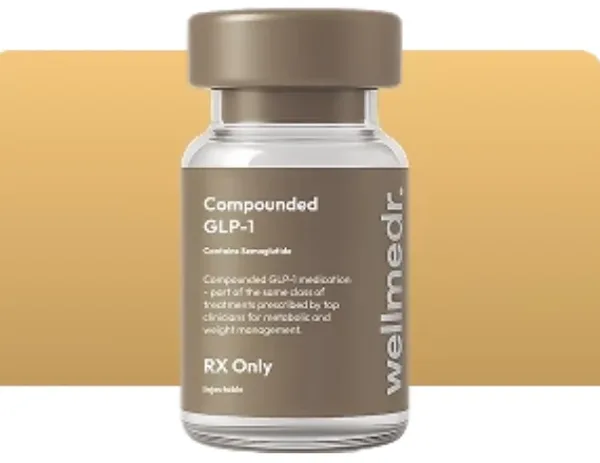
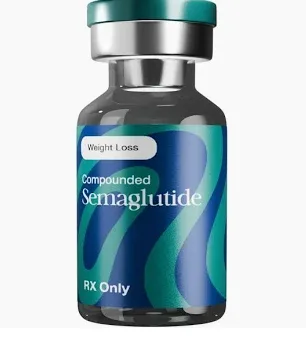
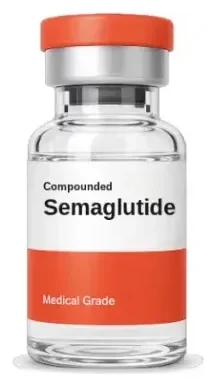
Shop GLP-1 plans by product
The lowest published plans - cheapest first, conditions under each price.

Depression and Anxiety Research
The relationship between GLP-1 medications and mood disorders is complex. Weight loss itself often improves depression and anxiety symptoms - better body image, improved mobility, and reduced inflammation all contribute to mental health improvements.
Separating these indirect effects from direct neurological effects of the medication is challenging. However, some preclinical studies suggest that GLP-1 receptor activation has anti-inflammatory effects in the brain and may influence serotonin and dopamine pathways directly.
Clinical trials specifically examining these psychiatric applications are ongoing but early-stage.
What To Know Before Starting GLP-1 Treatment
Before starting GLP-1 treatment, it's important to understand a few key things. These medications require a prescription from a licensed clinician and aren't suitable for everyone. Some people may experience side effects, especially during the first few weeks as the body adjusts.
GLP-1s also tend to work best when combined with basic lifestyle habits like balanced nutrition and regular physical activity.
That's why choosing a provider that offers proper medical screening and ongoing follow-up support is essential for both safety and long-term success.

Potential Concerns
Not all reported mental health effects are positive. A subset of patients reports emotional blunting - a reduced ability to feel pleasure or emotional range - which some attribute to the medication's effects on reward pathways.
There have also been post-marketing reports of suicidal ideation, though regulatory reviews by the FDA and EMA have not established a causal link. Patients with a history of depression, eating disorders, or other mental health conditions should discuss these considerations with their provider before starting treatment and report any mood changes promptly.
For a broader look at side effect management, see our side effects guide.
What This Means for You
If you're taking or considering GLP-1 medication, be aware that mental health effects - both positive and negative - are possible. Monitor your mood, energy, and emotional state, especially during the first few months and after dose changes.
If you notice improvements in areas like alcohol consumption or compulsive behaviors, that's consistent with what many patients experience. If you notice persistent low mood, emotional numbness, or any concerning psychological changes, contact your provider.
Choosing a provider with strong clinical oversight matters - learn what to look for or find your match through our quiz.