
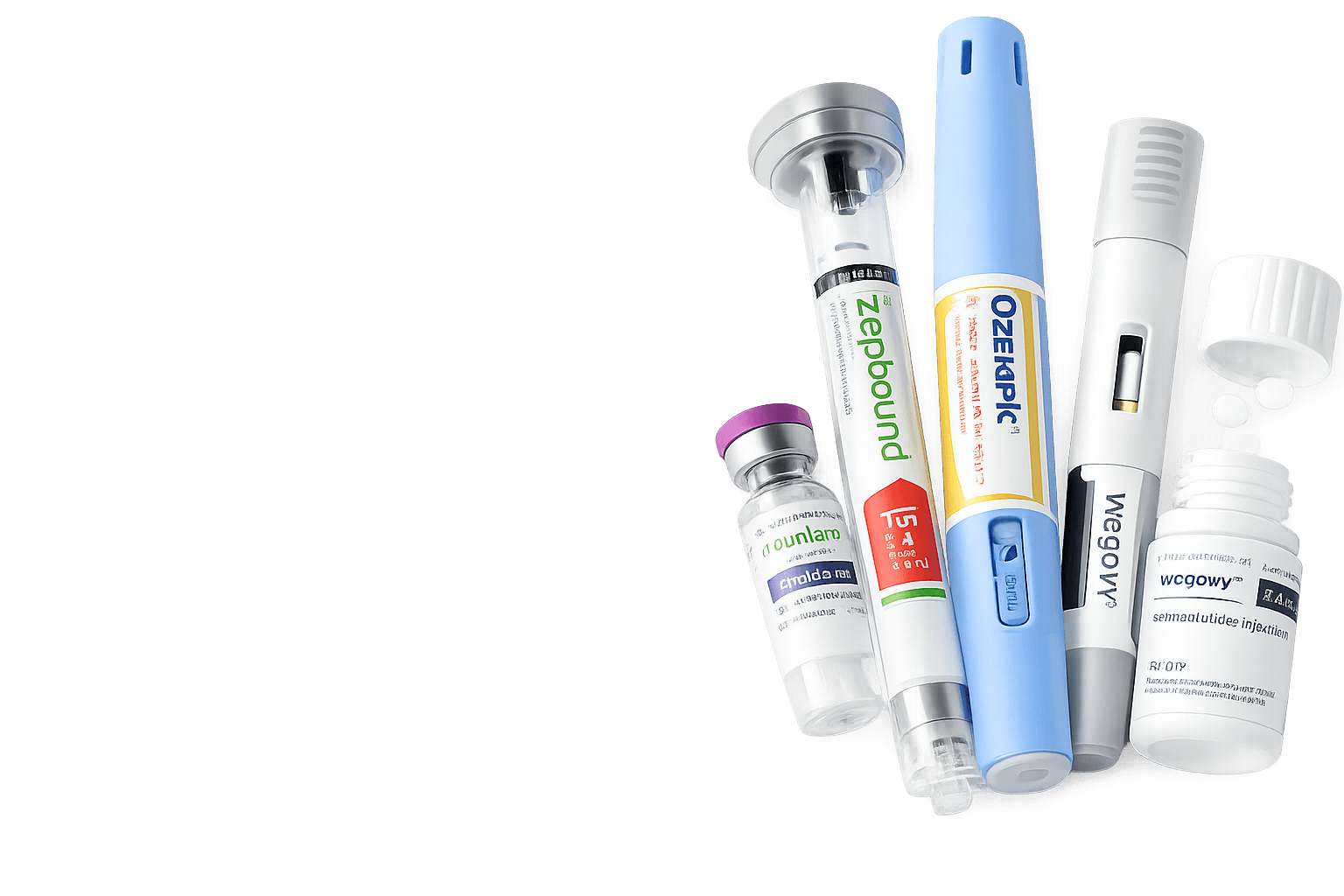

What Are GLP-1 Medications?
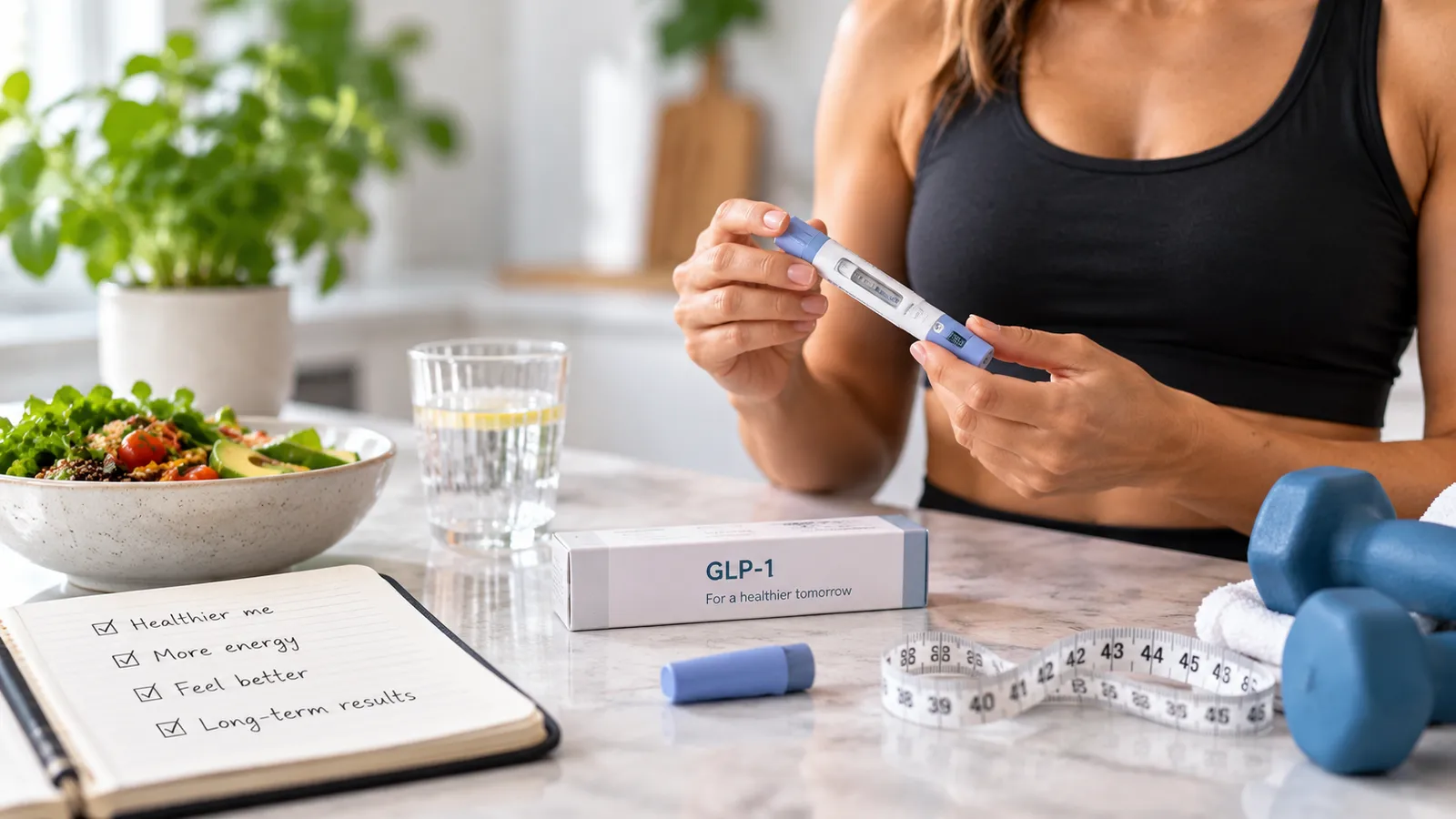
GLP-1 receptor agonists are a class of prescription medications originally developed for type 2 diabetes. They mimic a natural hormone called glucagon-like peptide-1, which your gut produces after eating. Medications like semaglutide (the active ingredient in Ozempic and Wegovy) and tirzepatide (used in Mounjaro and Zepbound) have shown remarkable results for weight management in clinical trials, leading to FDA approval specifically for weight loss.
Our top 2 picks
Our two recommended GLP-1 providers, shown with the same verified pricing and ratings as our full comparison.
Our Top Pick
1
Exceptional
9.8out of 10
Compounded GLP-1 from $49/month, shipped in 1-2 days
Money-back guaranteeFree expedited delivery
Treatments offered
Compounded semaglutide injections (GLP-1) · Compounded tirzepatide injections (GLP-1 + GIP) · 100% online doctor review and prescription · Dosage adjustments through the patient portal
Starting price
$49/month
*Compounded medications are not FDA-approved.
- Compounded semaglutide ($49/mo) and tirzepatide ($99/mo)
- 5-minute health qualifier; doctor review usually within 24 hrs
- Free 1-2 day shipping - temperature-controlled, tracked, insured
- No insurance required, no clinic visits, cancel anytime
Pricing starts at
from $49/month
Doctor-prescribed GLP-1 treatment - compounded semaglutide from $49/mo and tirzepatide from $99/mo - shipped in 1-2 days with no insurance required. Rated 3.8 across 10,689 Trustpilot reviews.
Read full embody review2
Excellent
9.4out of 10
Most Comprehensive GLP-1 Medication Access
Transparent pricingNo insurance required
Treatments offered
Compounded semaglutide (GLP-1) injection · Compounded tirzepatide (GLP-1 + GIP) injection · Brand-name Zepbound and Wegovy · One simple injection per week
Starting price
$199$89/month
*Compounded medications are not FDA-approved.
- Compounded GLP-1 from $89/mo, GLP-1 + GIP from $149/mo
- Brand-name options too: Zepbound and Wegovy
- Clinician-guided - physician, PA, or nurse practitioner
- Free shipping (about 5-7 days)
Pricing starts at
from $89/month
Affordable GLP-1 program from $89/month - compounded semaglutide and tirzepatide plus brand-name options - with clinician-guided, self-pay care and no insurance required.
Read full altRx reviewHow They Reduce Appetite
GLP-1 medications work primarily by targeting receptors in the brain that regulate hunger and satiety. When you take these medications, they slow gastric emptying - meaning food stays in your stomach longer - and signal to your brain that you are full.
Many patients describe it as the volume being turned down on food noise: the constant background chatter of cravings and hunger that can make weight management so difficult. This isn't willpower - it's biochemistry.
The Role of Insulin and Blood Sugar
Beyond appetite suppression, GLP-1 medications help regulate blood sugar by stimulating insulin release when glucose levels are high and reducing glucagon secretion. This dual action helps prevent the blood sugar spikes and crashes that often trigger cravings and overeating. For patients with insulin resistance - a common factor in weight gain - this mechanism can be particularly beneficial.
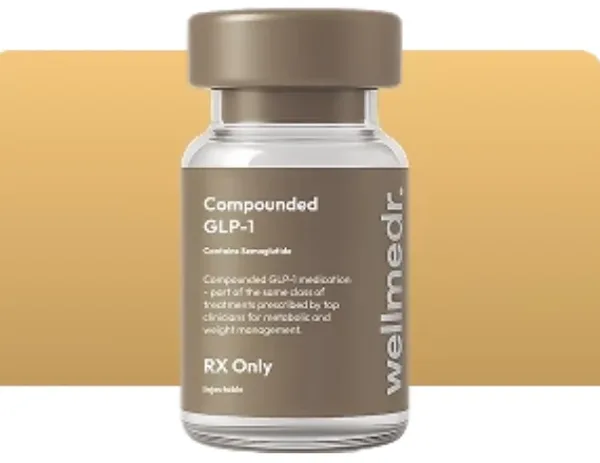
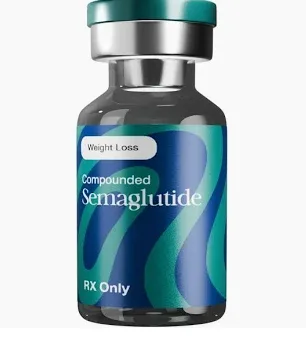
Shop GLP-1 plans by product
The lowest published plans - cheapest first, conditions under each price.
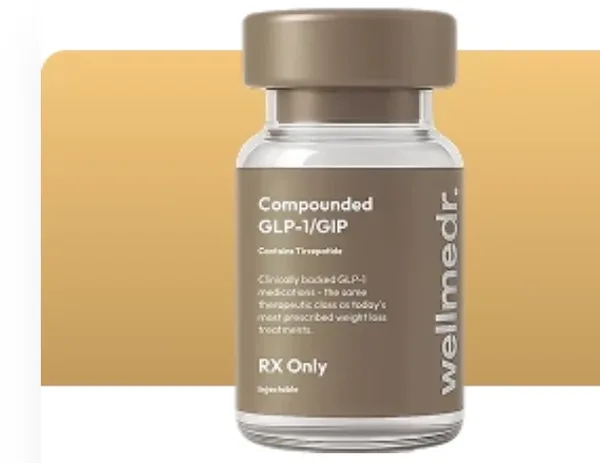

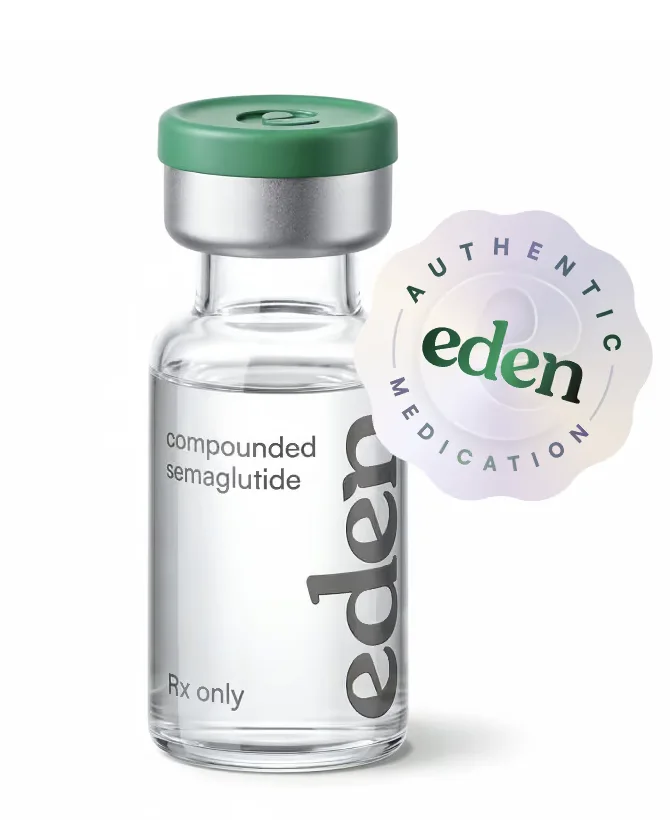
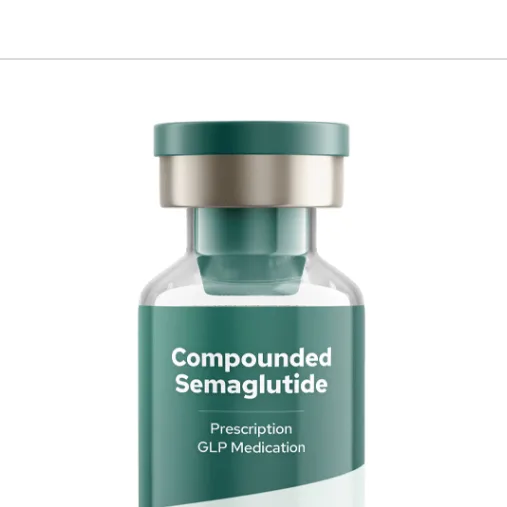
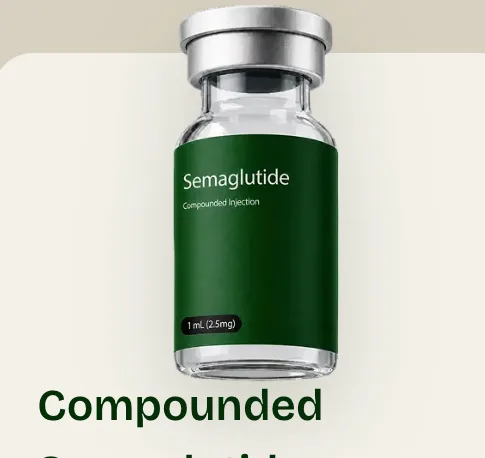
Tirzepatide: The Dual-Action Approach
Tirzepatide takes things a step further by targeting two receptors: GLP-1 and GIP (glucose-dependent insulinotropic polypeptide). This dual-agonist approach has shown even greater weight loss results in clinical trials, with some participants losing over 20% of their body weight.
For a detailed comparison, see our guide on tirzepatide vs semaglutide. The GIP receptor activation provides additional metabolic benefits that complement the GLP-1 pathway.
What To Know Before Starting GLP-1 Treatment
Before starting GLP-1 treatment, it's important to understand a few key things. These medications require a prescription from a licensed clinician and aren't suitable for everyone. Some people may experience side effects, especially during the first few weeks as the body adjusts.
GLP-1s also tend to work best when combined with basic lifestyle habits like balanced nutrition and regular physical activity.
That's why choosing a provider that offers proper medical screening and ongoing follow-up support is essential for both safety and long-term success.

What to Realistically Expect
Clinical trials show average weight loss of 15-20% of body weight with semaglutide and up to 22% with tirzepatide over 68-72 weeks. However, results vary significantly between individuals.
Most patients begin noticing appetite changes within the first two weeks, with meaningful weight loss becoming visible around weeks 4-8. For a week-by-week breakdown, read our guide on what to expect your first month on medication.
The medications are typically administered as once-weekly injections, with doses gradually increased over several months to minimize side effects.
Common Side Effects
The most common side effects are gastrointestinal: nausea, vomiting, diarrhea, and constipation. These are usually most pronounced during dose increases and tend to improve over time.
Starting at a low dose and gradually titrating up helps most patients manage these effects. For a full breakdown, see our semaglutide side effects guide.
More serious but rare side effects include pancreatitis and gallbladder problems, which is why medical supervision during treatment is important. Take our quiz to find a provider with strong clinical oversight.