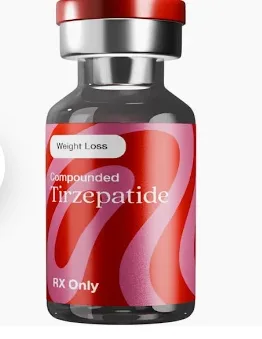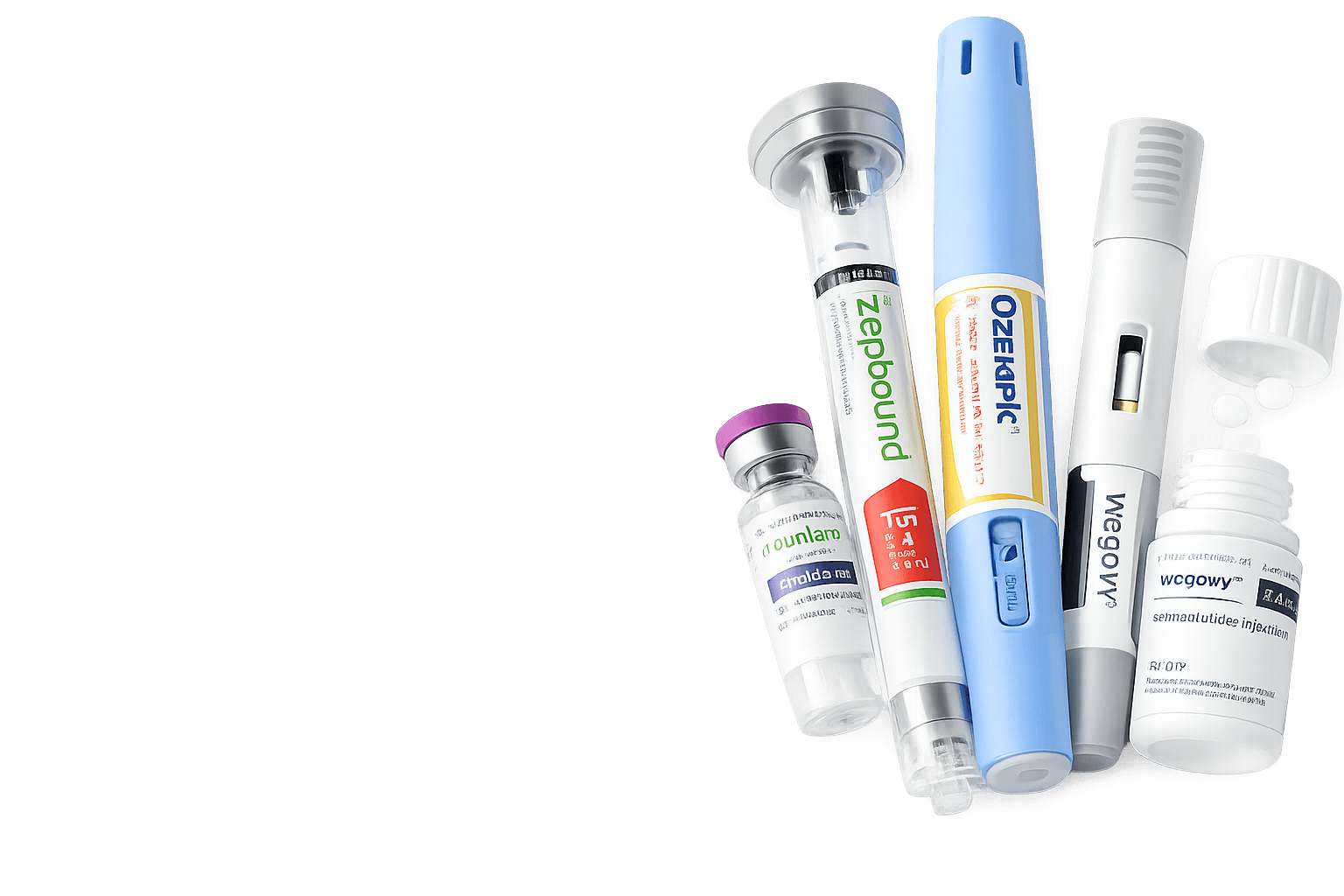
This is the long version of a question that did not exist three years ago and is now one of the most searched phrases in weight-loss medicine. "GLP-1 microdosing" started as a social-media workaround and became a product category: telehealth programs sell it, clinics advertise it, and a health-tracking company found that one in seven people on an injectable GLP-1 has tried it. The medical societies that study obesity have responded with the same sentence in different words: there is little to no evidence for it.
That sentence is true, and it is not the whole story. The reasons people microdose are real: the side effects at full dose, the price of staying on treatment for years, and the near-universal regain when treatment stops. Each of those problems has an evidence base of its own, and some of it points at lower doses, just not at the fractions of a starting dose that "microdosing" usually means. This guide sets the two apart. It walks through what the word means in practice, who is doing it and why, where the labelled doses come from, what the dose-response trials actually show, the one real-world study of people who stayed at the lowest approved dose, the randomized trial of a reduced maintenance dose, what happens when people stop entirely, what the microdose programs sell and at what price, the compounded-vial problem behind the FDA's dosing-error alerts, and the regulatory position in October 2026.
How to read it. Every clinical figure carries the trial, paper, label or statement it comes from, with its date, linked inline. Figures that reach us through press reporting, conference coverage or company statements rather than a peer-reviewed paper are labelled as reported, with the outlet and date. Every provider price is the one in our verified GLP-1 price index, checked on each provider's own site on October 16, 2026, or a program's published price as captured on the dated page we link to. Nothing is estimated by us, and where the evidence does not exist we say so rather than fill the gap. This guide is general information, not medical advice: whether any dose of any GLP-1 is appropriate for you is a decision for a licensed clinician who knows your history.
What this guide is not
It is not a dosing chart. We do not publish fractional-dose schedules, "units" tables or vial-stretching arithmetic, because no such schedule has been tested and because the FDA's adverse-event reports for compounded GLP-1s are, in large part, reports of people measuring small volumes wrong. If you are on a GLP-1 and want a lower dose, the labelled reductions and the trial-tested maintenance dose are described below, and the right person to set your dose is the prescriber who can see your chart.