


The quick answerA 503A pharmacy compounds for a named patient on a prescription and answers to its state board; a 503B outsourcing facility is FDA-registered and makes larger batches under manufacturing standards. Since semaglutide and tirzepatide left the FDA shortage list, a legitimate compounded GLP-1 comes from a licensed pharmacy filling a patient-specific prescription. The 28-day rule is the standard use period for an opened multi-dose vial - which is why plans ship monthly and a 90-day vial is a warning sign. Ask the pharmacy's name, its state licence, and the beyond-use date.
Why the pharmacy matters more than the website
An online GLP-1 provider is three things wearing one brand: a website, contracted clinicians who review your form, and a partner pharmacy that actually makes and ships the medication. The first two decide whether you get a prescription; the third decides what is in the vial.
Experienced buyers learn to ask about the third first, and the vocabulary they use - 503A, 503B, beyond-use date, the 28-day rule - is the subject of this page. None of it requires a chemistry degree; it requires knowing which questions have checkable answers.
Our top 2 picks
Our two recommended GLP-1 providers, shown with the same verified pricing and ratings as our full comparison.
Our Most Popular
1
Exceptional
9.8out of 10
Limited Offer - GLP-1 for $69/mon
Money-back guaranteeFree expedited delivery
Treatments offered
Compounded semaglutide injections (GLP-1) · Compounded tirzepatide injections (GLP-1 + GIP) · 100% online doctor review and prescription · Dosage adjustments through the patient portal
Starting price
$79$69/month
*Compounded medications are not FDA-approved.
- Compounded semaglutide ($69/mo) and tirzepatide ($119/mo)
- 5-minute health qualifier; doctor review usually within 24 hrs
- Free 1-2 day shipping - temperature-controlled, tracked, insured
- No insurance required, no clinic visits, cancel anytime
Pricing starts at
from $69/month
embody offers doctor-prescribed GLP-1 weight loss treatment - compounded semaglutide and tirzepatide injections - through a 100% online process. Getting started takes a roughly 5-minute health qualifier, after which a medical practitioner reviews your chart (embody says usually within 24 hours, often under 5). Pricing is flat and simple: $69/month for semaglutide and $119/month for tirzepatide, with no insurance required, no hidden fees, and no clinic visits. Medication ships in 1-2 days in temperature-controlled, tracked, insured packaging, and embody is LegitScript-certified and works with US-based 503A compounding pharmacies. On Trustpilot, embody averages 3.8 across 8,398 reviews - an honest, mixed-to-positive record whose recent reviews cluster around two themes: responsive, proactive customer service ('from my very first inquiry I've had excellent communication... customer service updated me every step,' writes one tirzepatide patient) and the no-surprises pricing ('Love the fact that there are no surprises as in costly up front cost'). A 3.7 also means a minority of customers had negative experiences - worth reading both ends of the reviews before deciding, as with any provider.
Read full embody review2
Exceptional
9.7out of 10
Most Comprehensive GLP-1 Medication Access
Transparent pricingNo insurance required
Treatments offered
Compounded semaglutide (GLP-1) injection · Compounded tirzepatide (GLP-1 + GIP) injection · Brand-name Zepbound and Wegovy · One simple injection per week
Starting price
$199$89/month
*Compounded medications are not FDA-approved.
- Compounded GLP-1 from $89/mo, GLP-1 + GIP from $149/mo
- Brand-name options too: Zepbound and Wegovy
- Clinician-guided - physician, PA, or nurse practitioner
- Free shipping (about 5-7 days)
Pricing starts at
from $89/month
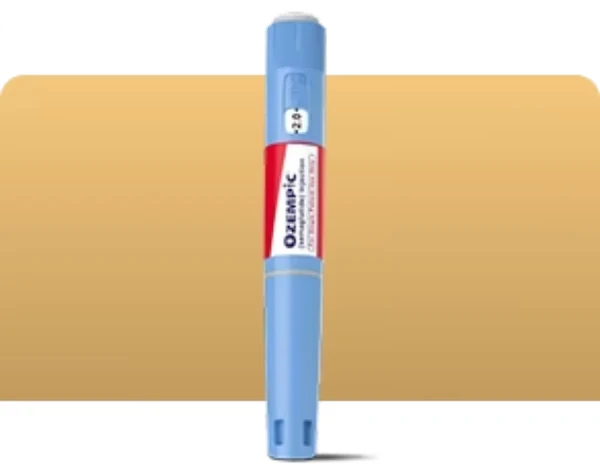
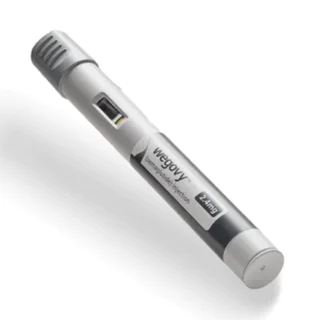
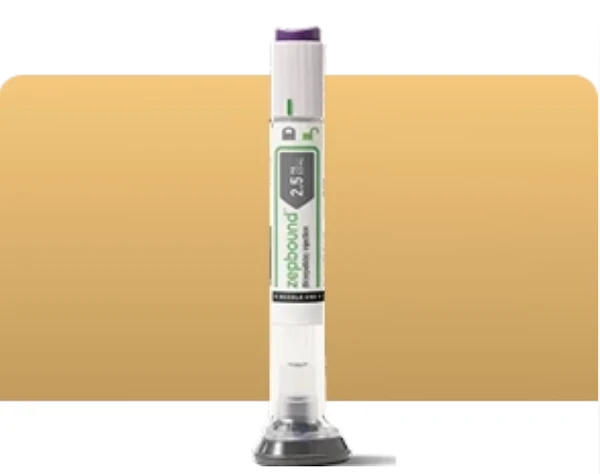
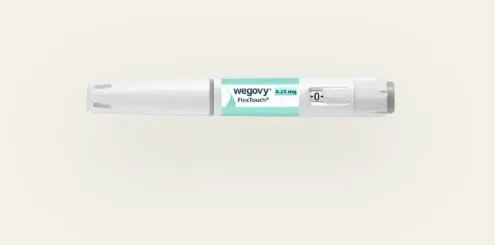
altRx bills itself as "the #1 most affordable GLP-1 program," and its published prices largely back that up: compounded GLP-1 (semaglutide) from $89/month and GLP-1 + GIP (tirzepatide) from $149/month - flat at every dose, so the price doesn't climb as you titrate up - alongside one of the few genuine brand-name shelves in this space (Ozempic $1,149, Zepbound $1,249, Wegovy $1,579 per month). It's a self-pay telehealth service: you complete a short assessment, a licensed provider (physician, PA, or nurse practitioner) reviews it, and if appropriate a prescription goes to a licensed US pharmacy, with free shipping in about 5-7 days. No insurance is required, Buy Now, Pay Later is available, and you can pause or cancel anytime. Two things to know before the details: shipping is slower than the 1-2 day providers (embody, DirectMeds), and Trustpilot does not currently display an aggregate score on altRx's profile - the individual reviews we quote on this page are real, but there's no independent average to lean on the way there is for rivals like Medvi (4.3 across 14,836) or embody (3.8 across 8,398). One of the real 4-star reviews we surface notes a refill 'yet to be fulfilled with zero reason as to why' - worth factoring in alongside the price advantage.
Read full altRx reviewWhat is a 503A pharmacy?
Section 503A of the federal Food, Drug and Cosmetic Act covers traditional compounding pharmacies: a licensed pharmacist prepares a medication for a specific, named patient on a valid prescription. These pharmacies are licensed and inspected by their state board of pharmacy, must follow the compounding standards published by the United States Pharmacopeia (USP), and cannot make large batches in advance for general sale. When a telehealth provider says its medication comes from "a licensed US 503A pharmacy", this is what it means - and because the prescription is patient-specific, it is the model that fits how these providers work. embody, for example, names US-based 503A pharmacies and LegitScript certification on its page; our 12-point checklist treats the named pharmacy as a core check.
What is a 503B outsourcing facility?
Section 503B, added in 2013, created a second category: outsourcing facilities that register with the FDA, are inspected by the FDA, and must follow current good manufacturing practice - the same quality framework as drug manufacturers. In exchange they can compound larger batches without a prescription for each patient, typically to supply hospitals and clinics.
During the 2022-2024 shortages of semaglutide and tirzepatide, both 503A pharmacies and 503B facilities were permitted to compound them, which is how the market of compounded GLP-1s grew so quickly. Neither category makes an FDA-approved drug: a 503B facility's product is made under manufacturing standards, but it is still a compounded product with no trials of its own.
Shop GLP-1 plans by product
Every provider's published plans - cheapest first, conditions under each price.
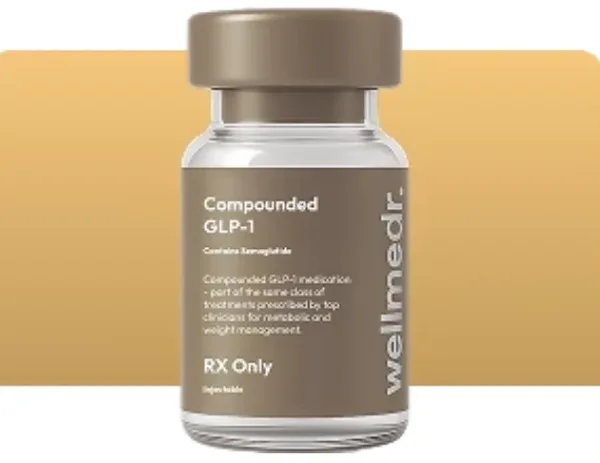
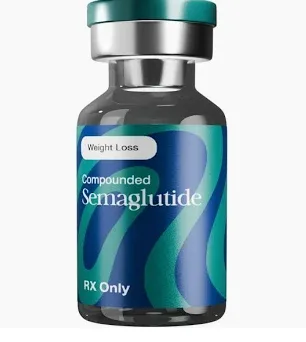
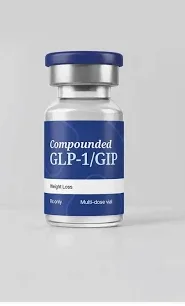
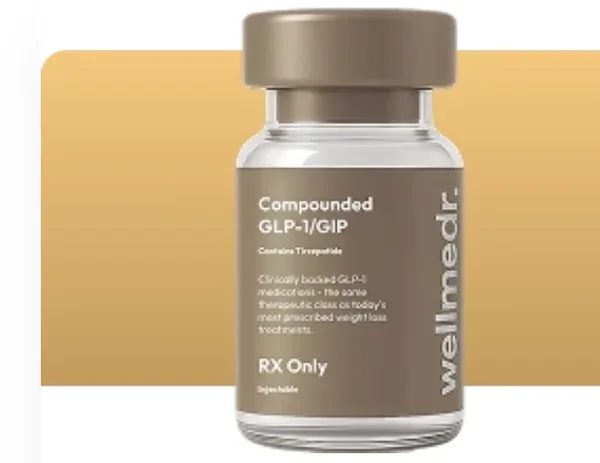

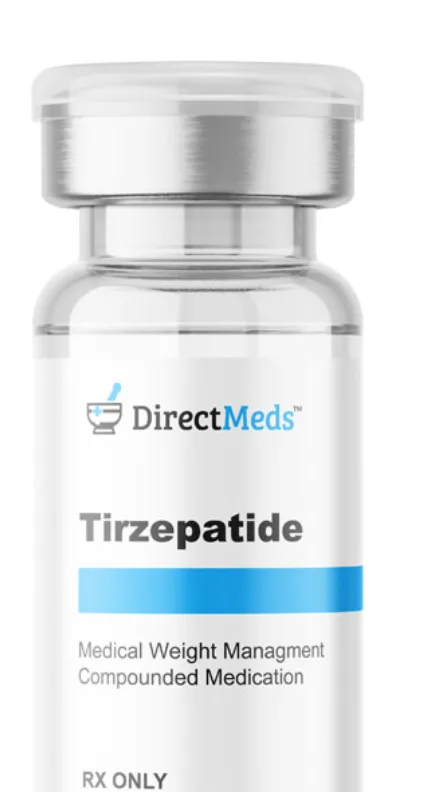
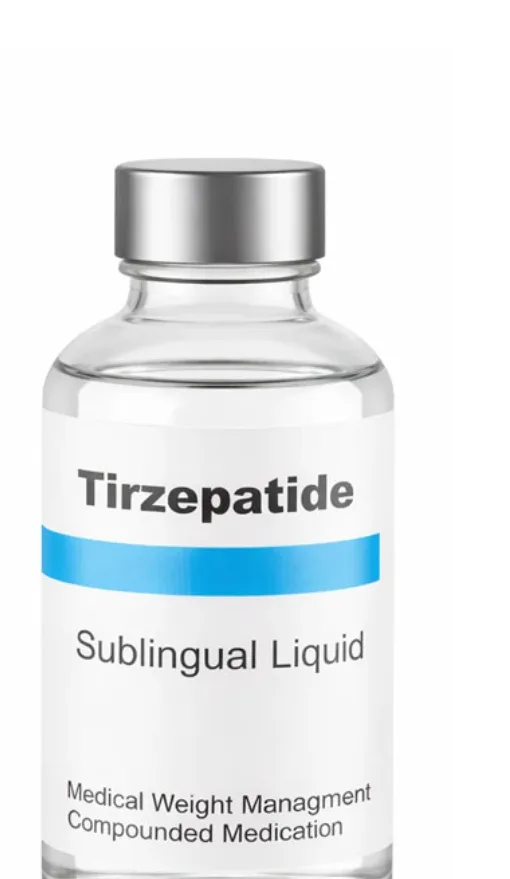
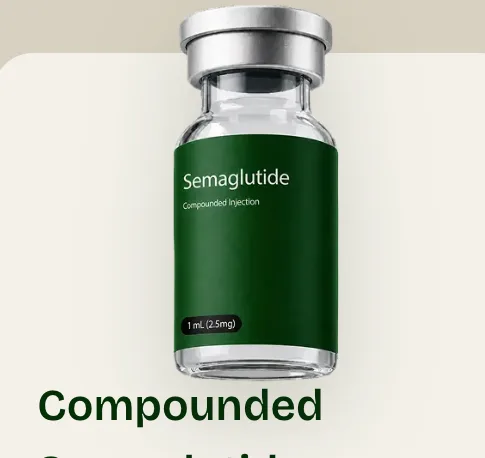
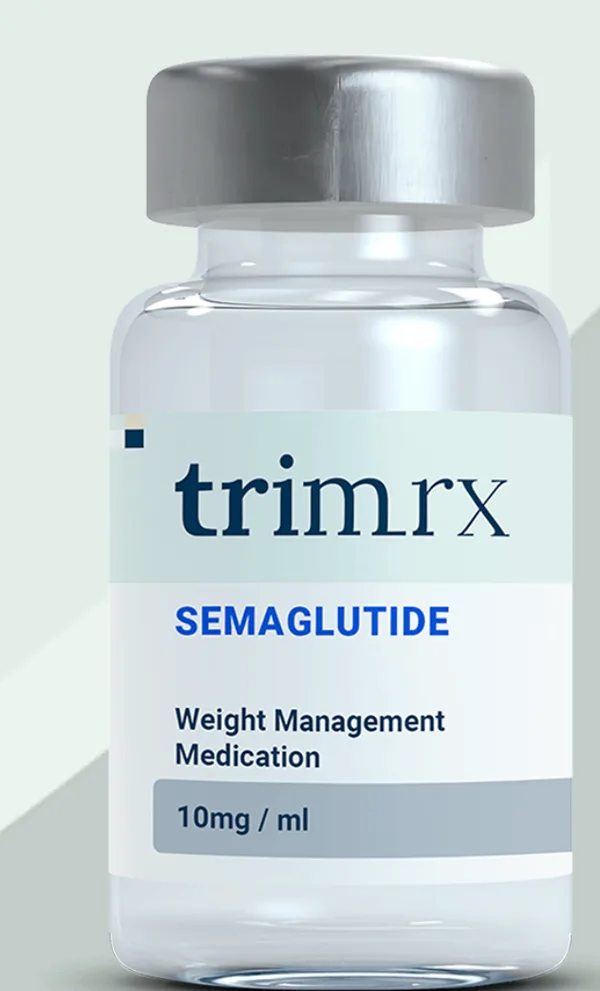
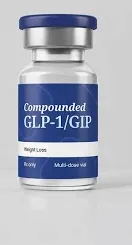
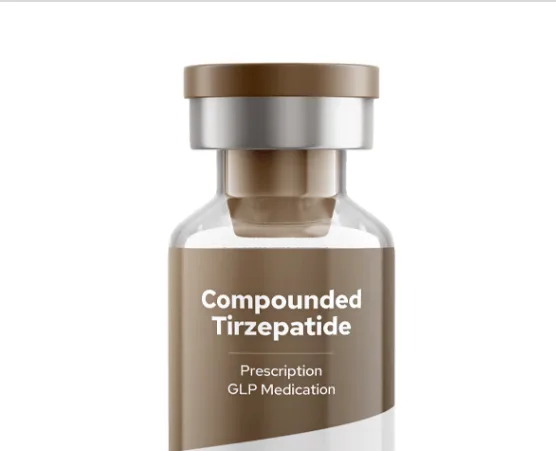
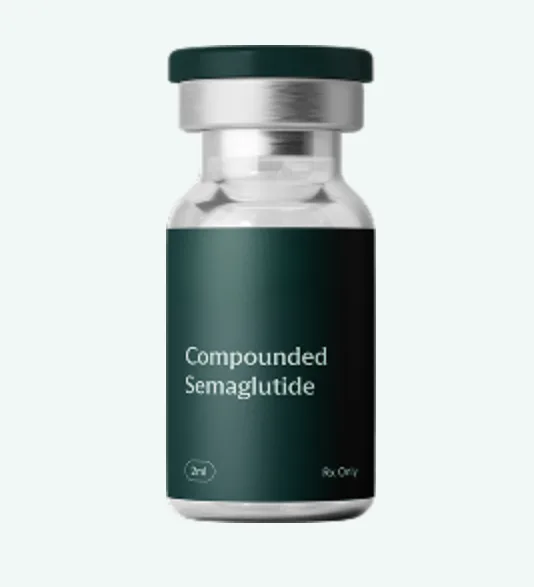
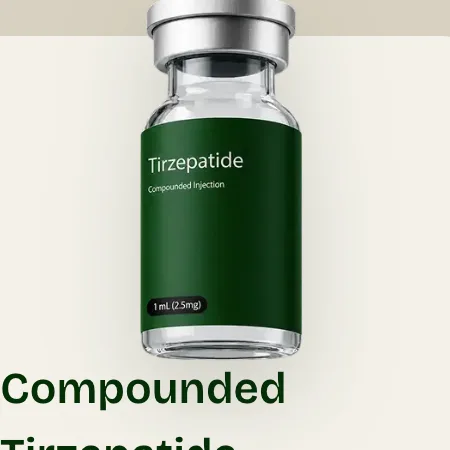
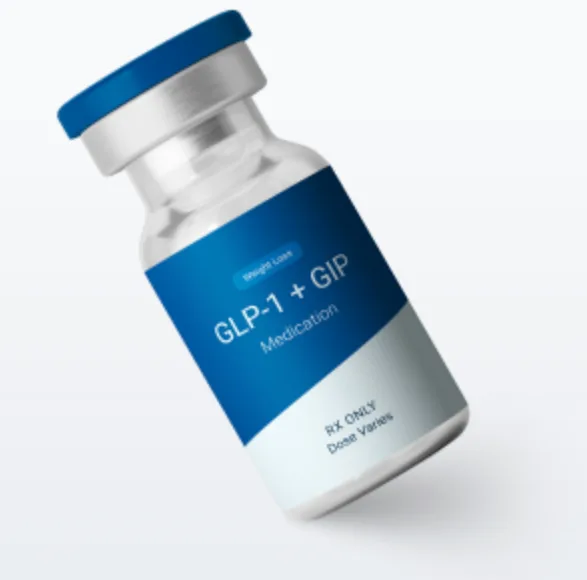
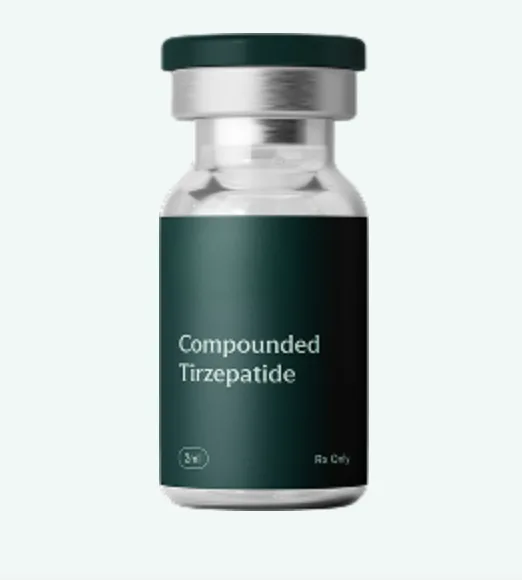
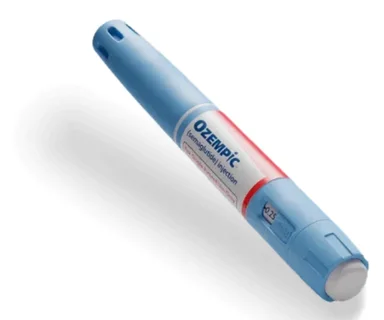
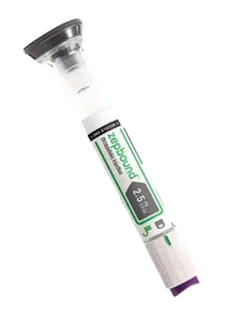
What changed when the shortages ended?
The FDA removed tirzepatide and then semaglutide from its shortage list between late 2024 and early 2025, and with that the exemption that allowed compounding of "essentially a copy" of a commercially available drug closed. The standard rules apply again: compounding has to be for a specific patient on a valid prescription, with a clinical reason, through a 503A pharmacy - not bulk production of a copy of Wegovy or Zepbound.
The FDA has followed up on the marketing side: warning letters to telehealth companies in 2026 objected to products described as "generic" Ozempic or Wegovy, as containing "the same active ingredient as" the brand drug, or as coming from an "FDA-approved pharmacy" - the FDA approves drugs, not pharmacies. If a provider's page uses that language, it is a signal about the provider, whatever the pharmacy.
The honest framing is in compounded vs brand-name.
What To Know Before Starting GLP-1 Treatment
Before starting GLP-1 treatment, it's important to understand a few key things. These medications require a prescription from a licensed clinician and aren't suitable for everyone. Some people may experience side effects, especially during the first few weeks as the body adjusts.
GLP-1s also tend to work best when combined with basic lifestyle habits like balanced nutrition and regular physical activity.
That's why choosing a provider that offers proper medical screening and ongoing follow-up support is essential for both safety and long-term success.

What is the 28-day rule?
Compounded GLP-1 injections are usually dispensed as a multi-dose vial you draw from weekly. Sterile-compounding standards assign every such preparation a beyond-use date - the point after which it should not be used - and for an opened multi-dose vial the conventional limit is 28 days from first puncture, which is why experienced buyers talk about "the 28-day rule".
Two practical consequences. First, this is why legitimate plans ship every four weeks: a vial sized for a month matches the rule.
One captured wellmedr reviewer's complaint title was simply "They charge you every 21 days" - billing cadence and the vial's use period are worth matching up before you sign. Second, a vial sold as a three-month supply to draw from across 90 days is a warning sign, not a bargain.
The beyond-use date should be printed on the label; if it isn't, ask the pharmacy, not the provider.
The questions that separate a legitimate operation
Four, all with checkable answers. Which pharmacy fills my prescription, and in which state is it licensed? A legitimate provider names it; you can verify the licence on that state board's website. Is it 503A or 503B? Either can be legitimate; evasion is the warning sign. What is the beyond-use date on the vial, and how is it shipped? Cold-chain shipping with a dated label is the standard; our shipping-times page records what each provider promises and what reviewers report. Who decides my dose? "A licensed clinician reviews your history and prescribes" is the right answer; "guaranteed approval" is the wrong one. Providers that pass all four are in our verified ranking, and the ones we have examined most closely are written up in is embody legit and is wellmedr legit.
What no pharmacy can supply is an unapproved "research peptide" sold without a prescription; that is a different market entirely. This article is general information about how compounding is regulated; a licensed clinician decides whether any treatment is appropriate for you.