
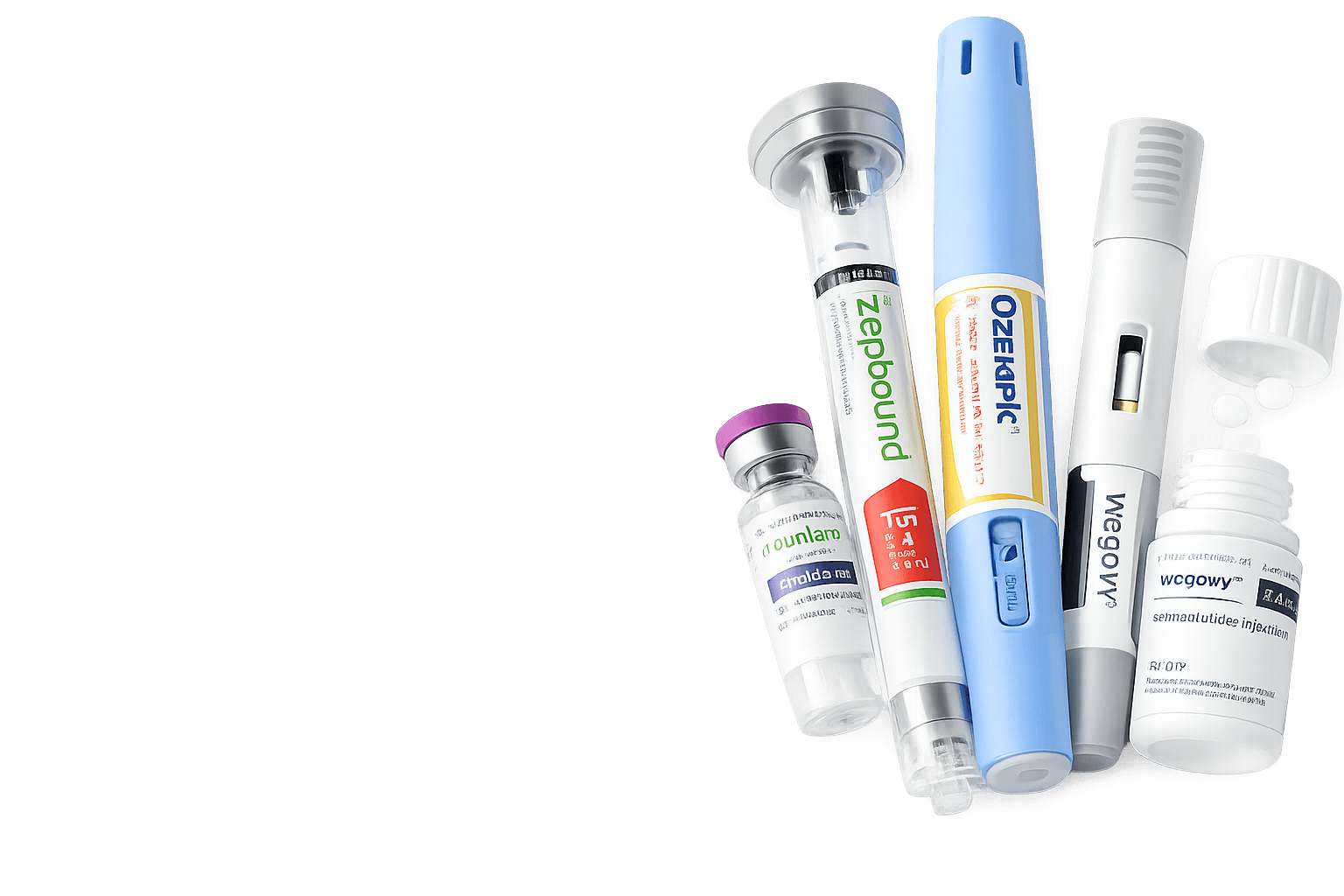

The quick answerOzempic and Wegovy contain the same active ingredient (semaglutide) but are not the same drug: Ozempic is FDA-approved for type 2 diabetes, Wegovy for chronic weight management at a higher maximum dose (2.4 mg vs 2 mg). For self-pay weight loss, compounded semaglutide runs a verified $41-$99/month versus $1,149+ for either brand.Prices verified on each provider’s site as of November 3, 2026.
Same Ingredient, Different FDA Approval
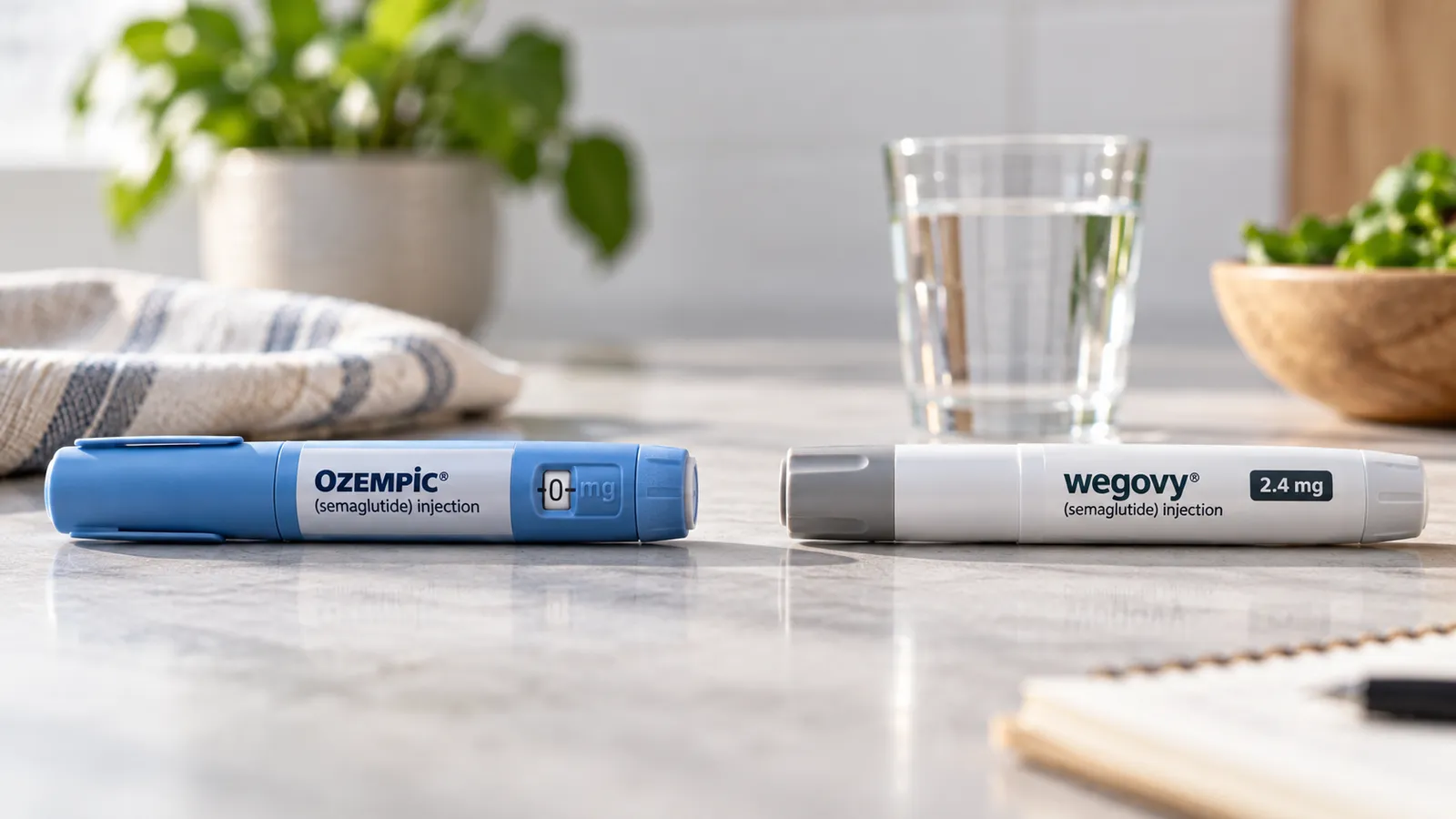
Ozempic and Wegovy both contain semaglutide, a GLP-1 receptor agonist manufactured by Novo Nordisk. The critical difference is their FDA-approved purpose.
Ozempic is approved for type 2 diabetes management. Wegovy is approved specifically for chronic weight management.
Many doctors prescribe Ozempic off-label for weight loss, but Wegovy was designed, dosed, and clinically tested specifically for that purpose.
Our top 2 picks
Our two recommended GLP-1 providers, shown with the same verified pricing and ratings as our full comparison.
Our Top Pick
1
Exceptional
9.8out of 10
Compounded GLP-1 from $49/month; not FDA-approved, free expedited delivery
Free expedited deliveryNo hidden fees
Treatments offered
Compounded semaglutide injections (GLP-1), not FDA-approved · Compounded tirzepatide injections (dual GIP/GLP-1), not FDA-approved · Online intake and prescriber review by OpenLoop Health clinicians · Transfer at your current dose with proof of your existing prescription
Starting price
$49/month
*Compounded medications are not FDA-approved.
- Compounded semaglutide ($49/mo) and tirzepatide ($99/mo) as shown on the homepage, Nov 16, 2026; not FDA-approved
- Online intake, then a prescriber review by OpenLoop Health, a network of US-licensed doctors
- Free expedited delivery (embody's words); the Terms do not guarantee a delivery timeline
- No insurance required, no clinic visits; cancel at least 72 hours before the next billing date
Pricing starts at
from $49/month
Doctor-prescribed compounded GLP-1 treatment, not FDA-approved: semaglutide shown at $49/month and tirzepatide at $99/month on embody's homepage (Nov 16, 2026), no insurance required.
Read full embody review2
Excellent
9.4out of 10
Most Comprehensive GLP-1 Medication Access
Transparent pricingNo insurance required
Treatments offered
Compounded semaglutide (GLP-1) injection · Compounded tirzepatide (GLP-1 + GIP) injection · Brand-name Zepbound and Wegovy · One simple injection per week
Starting price
$199$89/month
*Compounded medications are not FDA-approved.
- Compounded GLP-1 from $89/mo, GLP-1 + GIP from $149/mo
- Brand-name options too: Zepbound and Wegovy
- Clinician-guided - physician, PA, or nurse practitioner
- Free shipping (about 5-7 days)
Pricing starts at
from $89/month
Affordable GLP-1 program from $89/month - compounded semaglutide and tirzepatide plus brand-name options - with clinician-guided, self-pay care and no insurance required.
Read full altRx reviewDosing: Wegovy Goes Higher
Ozempic's maximum dose is 2 mg per week. Wegovy goes up to 2.4 mg per week - a 20% higher maximum dose.
Both use a gradual titration schedule over 16-20 weeks to minimize side effects, starting at a low dose and increasing monthly. Wegovy's extra dosing tier is one reason it tends to produce more significant weight loss in clinical trials.
For a week-by-week look at what starting treatment feels like, see our first month guide.
Weight Loss Results Compared
In the STEP clinical trials, Wegovy patients lost an average of about 15% of their body weight over 68 weeks. Ozempic trials (which focused on diabetes outcomes) showed average weight loss of around 10-12%.
For a 200-pound person, that's roughly 30 lbs with Wegovy vs 20-24 lbs with Ozempic. Both produce meaningful results, but Wegovy's higher dose and weight-specific design give it a consistent edge.
Curious how these compare to tirzepatide? See our Mounjaro vs Ozempic comparison.
Side Effects: Essentially the Same
Since both contain the same active ingredient, the side effect profiles are nearly identical. The most common issues are gastrointestinal: nausea (40-45% of patients), diarrhea (~30%), vomiting (~25%), and constipation (~24%).
These are typically most pronounced during dose increases and improve over time. Wegovy's slightly higher maximum dose may cause somewhat more GI issues at the top end.
For detailed management strategies, read our semaglutide side effects guide.
What To Know Before Starting GLP-1 Treatment
Before starting GLP-1 treatment, it's important to understand a few key things. These medications require a prescription from a licensed clinician and aren't suitable for everyone. Some people may experience side effects, especially during the first few weeks as the body adjusts.
GLP-1s also tend to work best when combined with basic lifestyle habits like balanced nutrition and regular physical activity.
That's why choosing a provider that offers proper medical screening and ongoing follow-up support is essential for both safety and long-term success.

Cost: Brand-Name vs Compounded
Ozempic costs approximately $900-$1,000/month at retail. Wegovy is more expensive at $1,300-$1,400/month.
Insurance is more likely to cover Ozempic (as a diabetes drug) than Wegovy (as a weight loss drug). However, many patients skip both brand names entirely and access compounded semaglutide through telehealth providers for $199-$400/month - same active ingredient, significantly lower cost.
For a full breakdown, see our semaglutide monthly cost guide and complete pricing comparison.
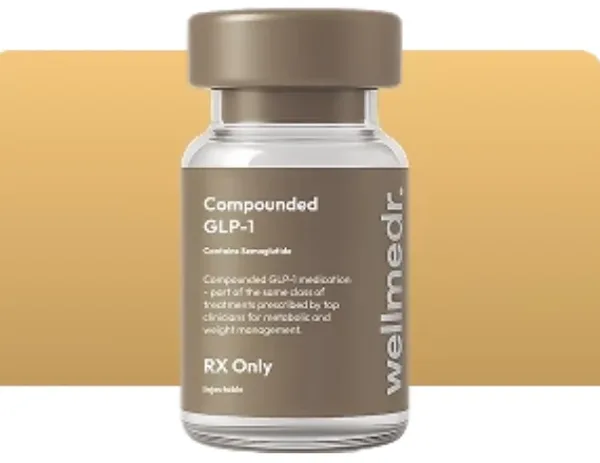
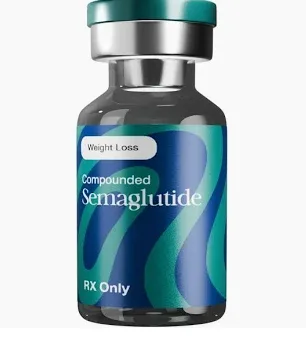
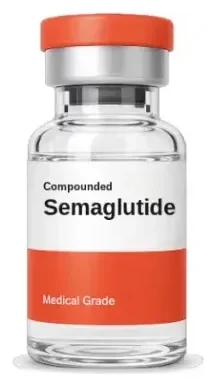
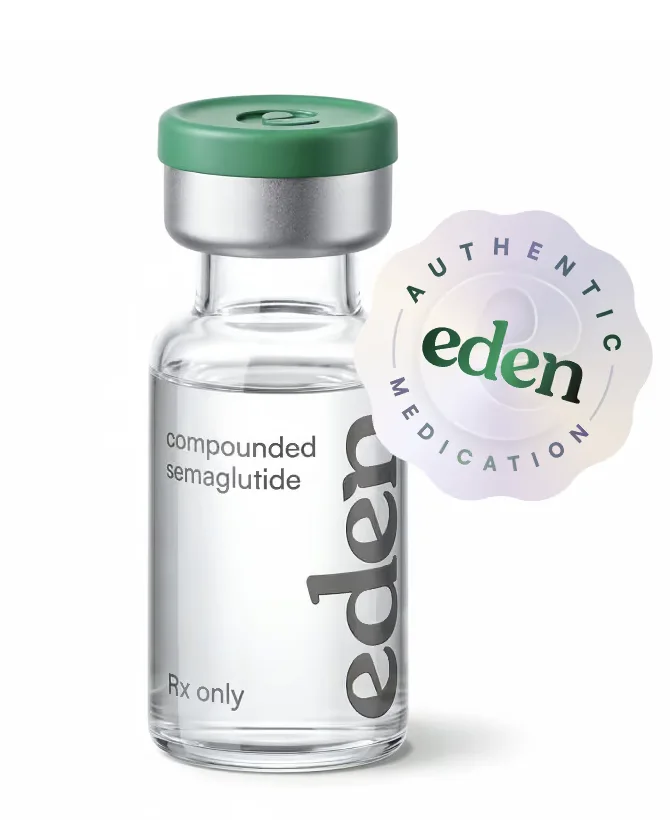
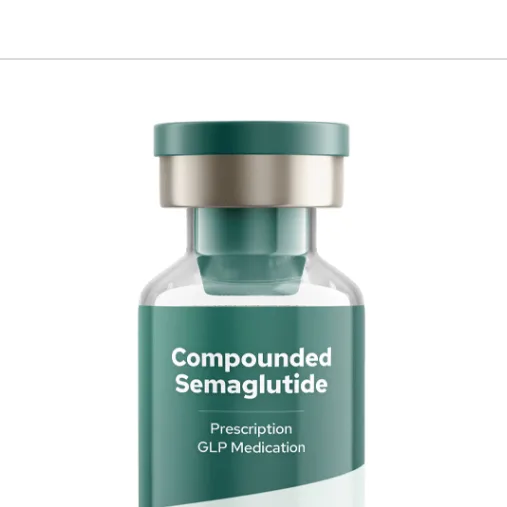
Shop semaglutide plans by provider
Published semaglutide plans - cheapest first, conditions under each price.

Insurance Coverage Reality
Ozempic has better insurance coverage because it's classified as a diabetes medication with established treatment guidelines. Wegovy, as a weight loss drug, is frequently excluded from formularies or requires prior authorization.
Even when covered, copays can be substantial. For patients without coverage, compounded semaglutide through telehealth is the most practical path.
See our guide on getting weight loss medication without insurance.
Compounded Semaglutide: The Third Option
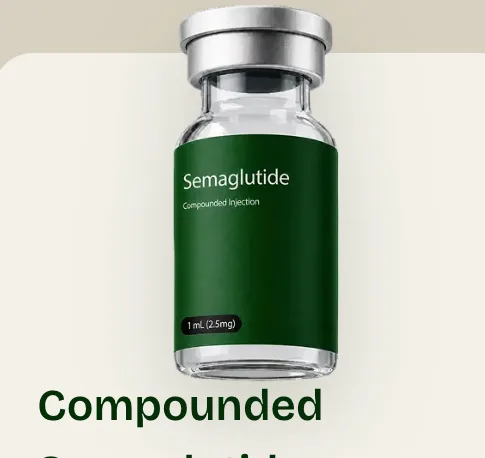
Most patients actually access semaglutide through a third path: compounded versions from licensed telehealth providers. Compounded semaglutide uses the same active ingredient as Ozempic and Wegovy but costs a fraction of the price.
It's not individually FDA-approved but is produced by licensed compounding pharmacies under FDA regulation. Read our full compounded vs brand-name guide to understand the trade-offs.
How to Get Semaglutide Online
Whether you want Ozempic, Wegovy, or compounded semaglutide, you can access it through licensed telehealth providers without visiting a doctor's office. The process takes 1-5 days from evaluation to delivery. Compare top providers on our platform, or read our step-by-step guide to getting Ozempic online.
Which Should You Choose?
If you have type 2 diabetes and want weight loss benefits, Ozempic addresses both. If weight loss is your sole goal and you have insurance that covers it, Wegovy is purpose-built. If you're paying out of pocket (most patients), compounded semaglutide from a telehealth provider offers the same active ingredient at the best price. Take our matching quiz to find the right provider, or compare semaglutide providers directly.