

Some providers featured on this site may compensate us. This may affect the order and placement of listings but does not influence our editorial ratings or reviews.
TopWeightLoss.ioTreatmentsHub
Science6 min read

Does Ozempic Cause Hair Loss? What's Actually Happening (2026)

Hair shedding on Ozempic, Wegovy or Zepbound is usually telogen effluvium from rapid weight loss - typically temporary. Why it happens, how long it lasts, and what actually helps.

Is the medication causing it, or the weight loss?

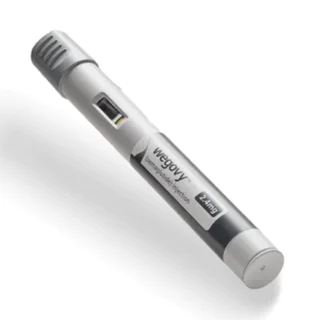
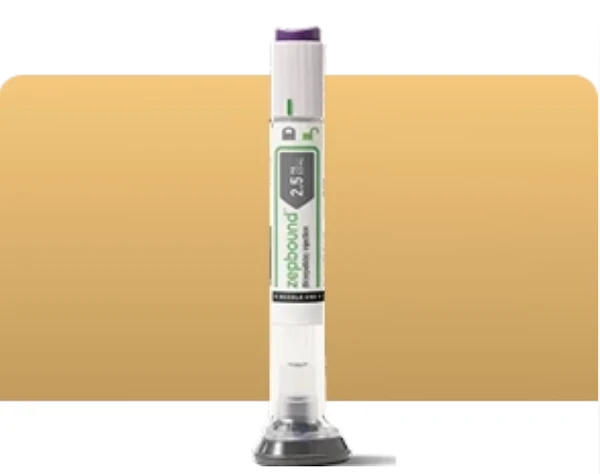
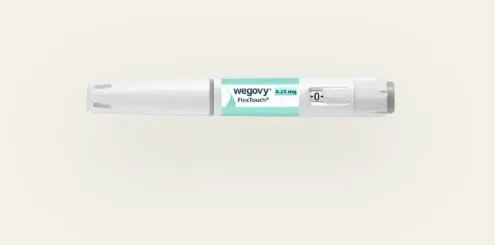
Almost always, it's the weight loss. Hair shedding reported by people on Ozempic, Wegovy, Zepbound or compounded GLP-1s is generally telogen effluvium - a well-understood response in which a major physiological stressor (and losing weight quickly is one) pushes an unusually large share of hair follicles into their resting-and-shedding phase at once. The same shedding happens after bariatric surgery, crash diets, childbirth and serious illness - none of which involve GLP-1 medication. In clinical trials, hair loss was reported by a small minority of participants, more often than on placebo - consistent with the drugs driving faster weight loss rather than attacking hair directly.


The good news: it's typically temporary

Telogen effluvium usually begins 2-4 months after the trigger (which is why shedding often starts a few months into treatment, right when results get dramatic) and resolves on its own as your weight stabilizes - most people see normal fullness return within several months to a year. It causes diffuse thinning across the scalp rather than a receding hairline or bald spots. That pattern matters: a receding hairline or crown thinning is more likely androgenetic (pattern) hair loss that the weight loss merely unmasked - and that's the kind that has real prescription treatments. Our shedding guide explains how to tell the difference.

What actually helps while it runs its course

Protein first: appetite suppression can quietly crash your protein intake, and hair is built from it - most GLP-1 clinicians recommend prioritizing protein at every meal. Don't crash faster than you need to: if shedding is heavy, talk to your provider about pacing your titration - slower loss is gentler on hair. Check the basics: iron, vitamin D, zinc and thyroid issues amplify shedding and are worth ruling out with your clinician. Give it time: the follicles aren't dead, they're resting. And if the pattern looks androgenetic rather than diffuse, treating it early matters - see our guide to stopping hair loss.

Shop GLP-1 plans by product

Every provider's published plans - cheapest first, conditions under each price.

When it's pattern hair loss: real treatment exists

If what you're seeing is a hairline or crown story rather than all-over shedding, prescription treatment is the evidence-based route: finasteride, minoxidil (oral or topical) and dutasteride, all available through licensed online providers. Our hair-loss provider ranking compares them with verified pricing - Maximus from $24.99/month for oral minoxidil with the widest prescription menu, and Happy Head at $49 first order (regularly $89) for dermatologist-directed custom formulas that serve women as well as men. The full comparison: Maximus vs Happy Head.

What To Know Before Starting GLP-1 Treatment

Before starting GLP-1 treatment, it's important to understand a few key things. These medications require a prescription from a licensed clinician and aren't suitable for everyone. Some people may experience side effects, especially during the first few weeks as the body adjusts.

GLP-1s also tend to work best when combined with basic lifestyle habits like balanced nutrition and regular physical activity.

That's why choosing a provider that offers proper medical screening and ongoing follow-up support is essential for both safety and long-term success.

Woman preparing GLP-1 weight loss injection

The bottom line

Shedding on a GLP-1 is common, usually temporary, and mostly a side effect of success - rapid weight loss - rather than the medication itself. Keep protein up, pace the loss if it's heavy, rule out deficiencies, and give follicles the months they need. If the thinning has a pattern to it, don't wait it out - compare real treatment options. This article is general information, not medical advice - talk to your clinician about your specific situation.

Ready to compare weight loss providers?

See how top providers stack up on pricing, medical support, and treatment options.

Compare providers head-to-head

Real prices, real trade-offs - the comparisons readers use to decide.

Sources & medical references

Treatment facts on this page are grounded in regulatory guidance and peer-reviewed research. Pricing and plan details come from each provider's published information.

  1. 1.Once-Weekly Semaglutide in Adults with Overweight or Obesity (STEP 1 trial) - New England Journal of Medicine, 2021
  2. 2.Tirzepatide Once Weekly for the Treatment of Obesity (SURMOUNT-1 trial) - New England Journal of Medicine, 2022
  3. 3.FDA Approves New Drug Treatment for Chronic Weight Management (semaglutide / Wegovy) - U.S. Food & Drug Administration, 2021
  4. 4.FDA Approves New Medication for Chronic Weight Management (tirzepatide / Zepbound) - U.S. Food & Drug Administration, 2023
  5. 5.FDA's Concerns with Unapproved GLP-1 Drugs Used for Weight Loss - U.S. Food & Drug Administration
  6. 6.Human Drug Compounding (503A pharmacy standards) - U.S. Food & Drug Administration
  7. 7.Semaglutide Injection - drug information - MedlinePlus, U.S. National Library of Medicine (NIH)