

The quick answerOzempic face is facial volume loss caused by losing weight quickly - not a chemical side effect of the drug. It can happen with any GLP-1 or any rapid weight loss. The levers that soften it: a moderate pace of loss, adequate protein, resistance training and hydration - and facial volume often partially recovers as weight stabilizes.
What is Ozempic face?
Ozempic face is the internet's name for a real phenomenon with a misleading label: the gaunt, deflated look some people notice in their face after losing a lot of weight quickly. Faces store fat too - in the cheeks, temples and around the eyes - and rapid weight loss removes that volume just as it removes it everywhere else.
Overlying skin, especially older skin with less elastin, doesn't always shrink back at the same pace, which reads as sagging. The name is unfair to the medication: this is a feature of fast, significant weight loss by any method, not a chemical effect of semaglutide on your skin.
Our top 2 picks
Our two recommended GLP-1 providers, shown with the same verified pricing and ratings as our full comparison.
Our Most Popular
1
Exceptional
9.8out of 10
Limited Offer - GLP-1 for $69/mon
Money-back guaranteeFree expedited delivery
Treatments offered
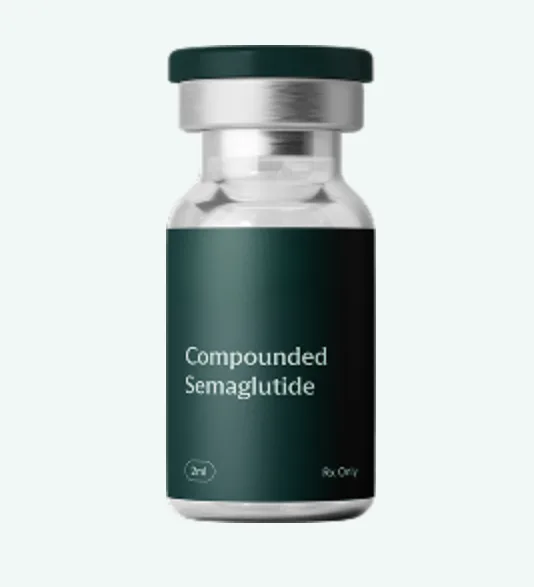
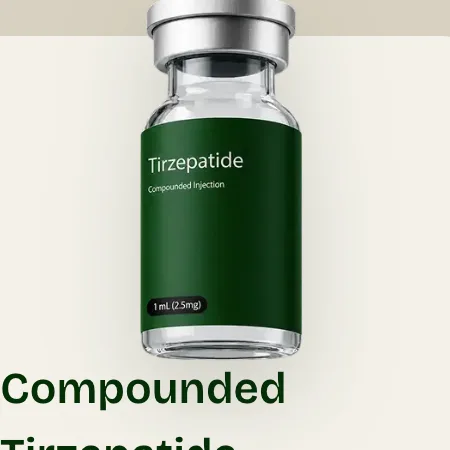
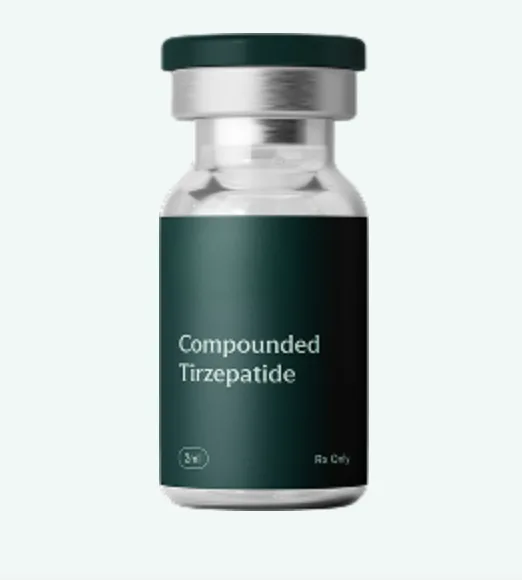
Compounded semaglutide injections (GLP-1) · Compounded tirzepatide injections (GLP-1 + GIP) · 100% online doctor review and prescription · Dosage adjustments through the patient portal
Starting price
$79$69/month
*Compounded medications are not FDA-approved.
- Compounded semaglutide ($69/mo) and tirzepatide ($119/mo)
- 5-minute health qualifier; doctor review usually within 24 hrs
- Free 1-2 day shipping - temperature-controlled, tracked, insured
- No insurance required, no clinic visits, cancel anytime
Pricing starts at
from $69/month
embody offers doctor-prescribed GLP-1 weight loss treatment - compounded semaglutide and tirzepatide injections - through a 100% online process. Getting started takes a roughly 5-minute health qualifier, after which a medical practitioner reviews your chart (embody says usually within 24 hours, often under 5). Pricing is flat and simple: $69/month for semaglutide and $119/month for tirzepatide, with no insurance required, no hidden fees, and no clinic visits. Medication ships in 1-2 days in temperature-controlled, tracked, insured packaging, and embody is LegitScript-certified and works with US-based 503A compounding pharmacies. On Trustpilot, embody averages 3.8 across 9,604 reviews - an honest, mixed-to-positive record whose recent reviews cluster around two themes: responsive, proactive customer service ('from my very first inquiry I've had excellent communication... customer service updated me every step,' writes one tirzepatide patient) and the no-surprises pricing ('Love the fact that there are no surprises as in costly up front cost'). A 3.7 also means a minority of customers had negative experiences - worth reading both ends of the reviews before deciding, as with any provider.
Read full embody review2
Exceptional
9.7out of 10
Most Comprehensive GLP-1 Medication Access
Transparent pricingNo insurance required
Treatments offered
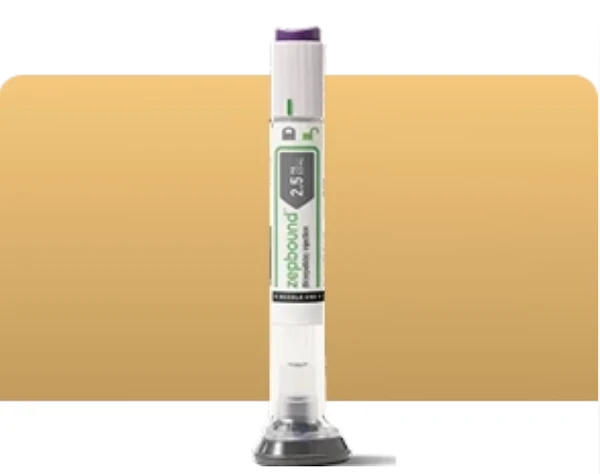
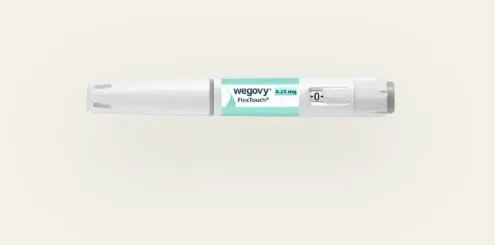
Compounded semaglutide (GLP-1) injection · Compounded tirzepatide (GLP-1 + GIP) injection · Brand-name Zepbound and Wegovy · One simple injection per week
Starting price
$199$89/month
*Compounded medications are not FDA-approved.
- Compounded GLP-1 from $89/mo, GLP-1 + GIP from $149/mo
- Brand-name options too: Zepbound and Wegovy
- Clinician-guided - physician, PA, or nurse practitioner
- Free shipping (about 5-7 days)
Pricing starts at
from $89/month
altRx bills itself as "the #1 most affordable GLP-1 program," and its published prices largely back that up: compounded GLP-1 (semaglutide) from $89/month and GLP-1 + GIP (tirzepatide) from $149/month - flat at every dose, so the price doesn't climb as you titrate up - alongside one of the few genuine brand-name shelves in this space (Ozempic $1,149, Zepbound $1,249, Wegovy $1,579 per month). It's a self-pay telehealth service: you complete a short assessment, a licensed provider (physician, PA, or nurse practitioner) reviews it, and if appropriate a prescription goes to a licensed US pharmacy, with free shipping in about 5-7 days. No insurance is required, Buy Now, Pay Later is available, and you can pause or cancel anytime. Two things to know before the details: shipping is slower than the 1-2 day providers (embody, DirectMeds), and Trustpilot does not currently display an aggregate score on altRx's profile - the individual reviews we quote on this page are real, but there's no independent average to lean on the way there is for rivals like Medvi (4.3 across 14,987) or embody (3.8 across 9,604). One of the real 4-star reviews we surface notes a refill 'yet to be fulfilled with zero reason as to why' - worth factoring in alongside the price advantage.
Read full altRx reviewDoes Ozempic cause face sagging directly?
No - and this distinction matters for what you do about it. Semaglutide and tirzepatide reduce appetite; the weight loss that follows is what changes your face.
The same look shows up after bariatric surgery, aggressive dieting, and endurance-training transformations - anywhere large amounts of fat leave quickly. GLP-1s get the blame because they made significant weight loss common enough for the pattern to earn a nickname.
The practical upside of the correct explanation: the levers that soften it are about how you lose, not which medication you take.
How do you avoid Ozempic face?
Four levers, all in your control. Pace: the face effect tracks speed - a moderate, steady rate of loss gives skin time to adapt, and your prescriber can titrate dosing with that in mind; losing slower is a legitimate clinical choice, not a failure. Protein: adequate protein protects lean tissue everywhere, face included - our GLP-1 nutrition guide covers targets when appetite is suppressed. Resistance training: preserving muscle keeps overall composition - and the structural support under skin - in better shape; see how to train on a GLP-1 without losing muscle. Hydration and basics: dehydrated skin exaggerates every hollow. What we deliberately do not recommend: collagen supplements and "skin elasticity" products marketed at GLP-1 users - the evidence doesn't support specific claims, and we don't sell hope we can't verify.
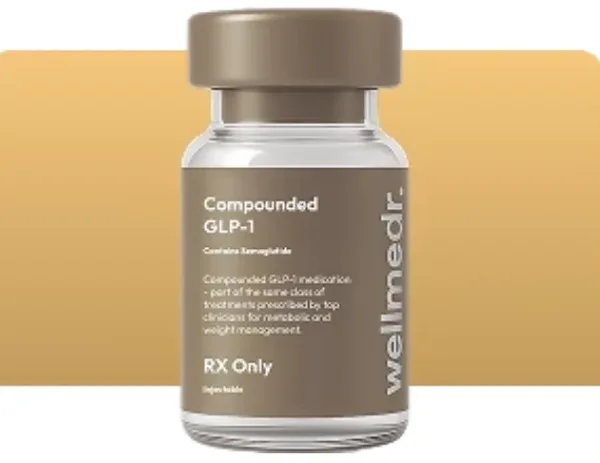
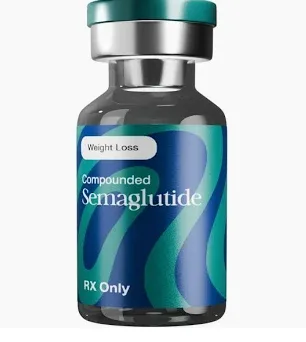
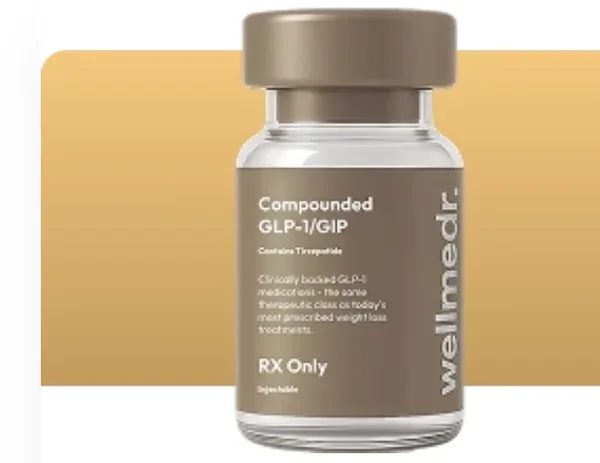
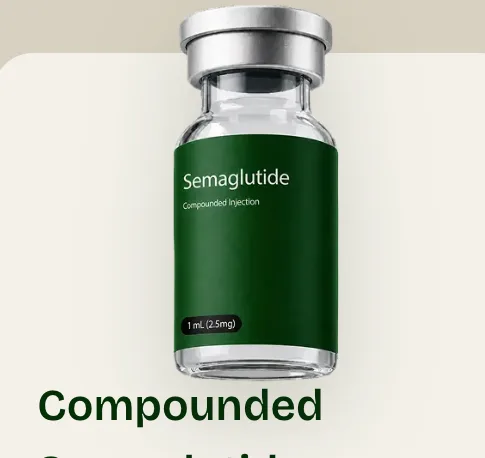
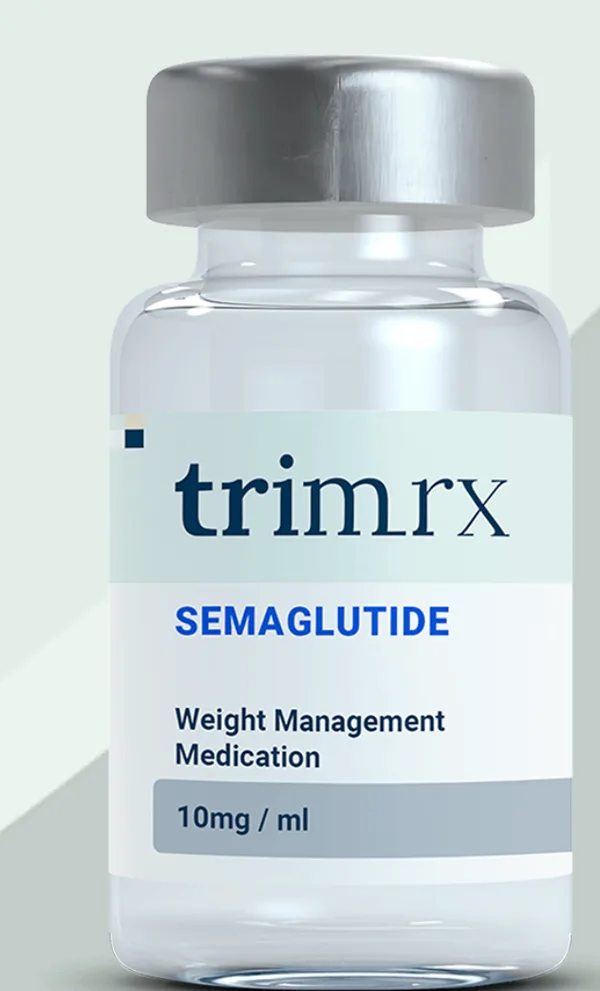
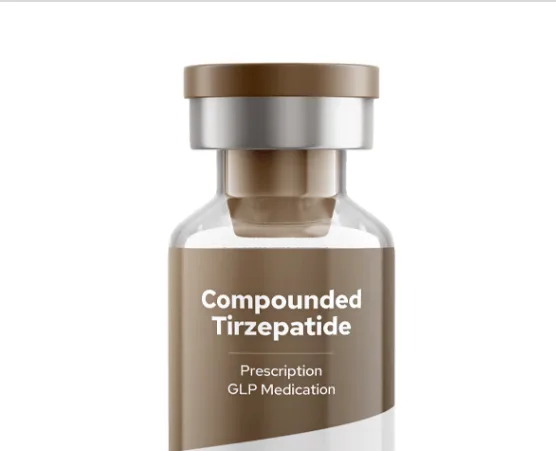
Shop GLP-1 plans by product
Every provider's published plans - cheapest first, conditions under each price.

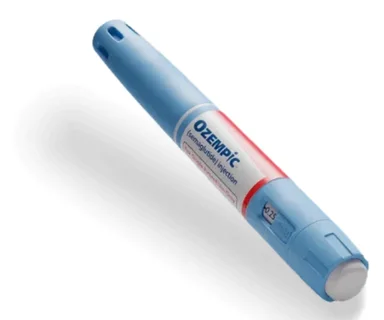
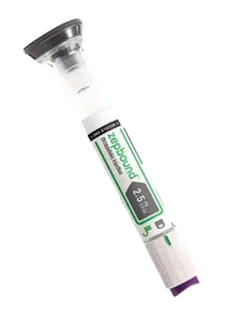
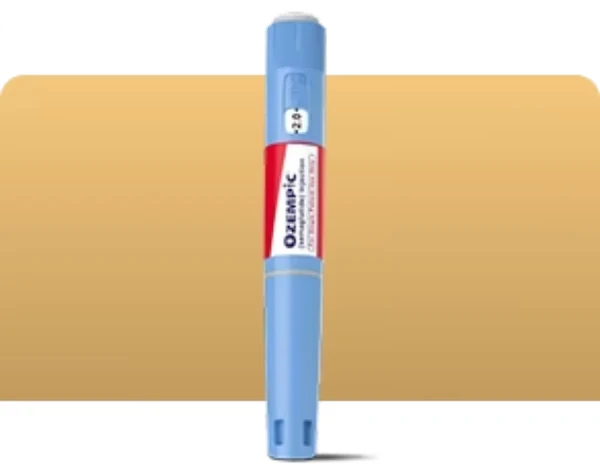
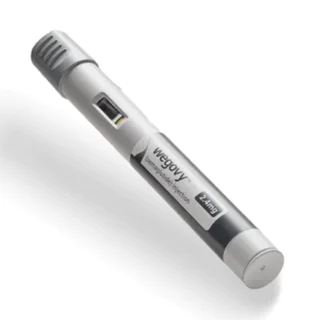
Does Ozempic face go away after stopping?
Partially, and it depends what caused which part. The fat-volume component often softens as weight stabilizes - and if weight is regained, facial volume returns with it (usually not the trade anyone wants).
The skin-laxity component is slower and honest expectations depend heavily on age: younger skin retracts substantially over months; older skin retracts less. What stabilizing does reliably stop is progression.
For established laxity that bothers you, the realistic conversation is with a dermatologist - about proven options, not supplement stacks.
What To Know Before Starting GLP-1 Treatment
Before starting GLP-1 treatment, it's important to understand a few key things. These medications require a prescription from a licensed clinician and aren't suitable for everyone. Some people may experience side effects, especially during the first few weeks as the body adjusts.
GLP-1s also tend to work best when combined with basic lifestyle habits like balanced nutrition and regular physical activity.
That's why choosing a provider that offers proper medical screening and ongoing follow-up support is essential for both safety and long-term success.
Should fear of Ozempic face stop you from treating obesity?
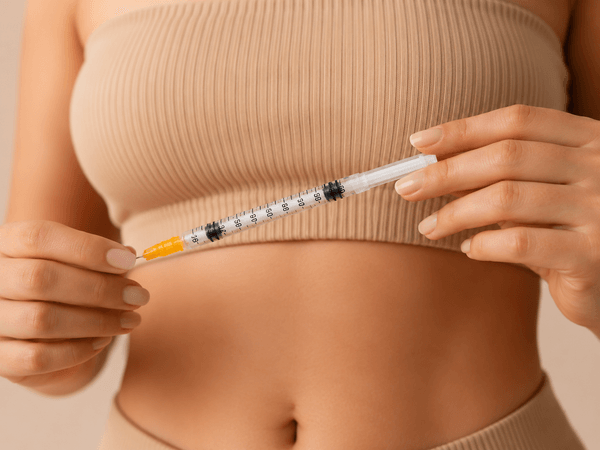
Framed honestly: the trade is between facial volume and the metabolic consequences of the weight itself - and that's rarely a close call medically. The better response to the concern isn't avoiding treatment; it's structuring it - moderate pace, protein, training - with a provider who monitors you.
That provider matters: our ranked telehealth providers include clinician follow-up in verified $59-$99/month plans, and pace-of-loss is exactly the kind of thing to raise at check-ins. Not medical advice - your clinician's guidance comes first.