


Why does menopause cause weight gain?
Our top 2 picks
Our two recommended GLP-1 providers, shown with the same verified pricing and ratings as our full comparison.

Exceptional
Limited Offer - GLP-1 for $69/mon
Treatments offered
Compounded semaglutide injections (GLP-1) · Compounded tirzepatide injections (GLP-1 + GIP) · 100% online doctor review and prescription · Dosage adjustments through the patient portal
Starting price
$79$69/month
*Compounded medications are not FDA-approved.
- Compounded semaglutide ($69/mo) and tirzepatide ($119/mo)
- 5-minute health qualifier; doctor review usually within 24 hrs
- Free 1-2 day shipping - temperature-controlled, tracked, insured
- No insurance required, no clinic visits, cancel anytime
from $69/month
embody offers doctor-prescribed GLP-1 weight loss treatment - compounded semaglutide and tirzepatide injections - through a 100% online process. Getting started takes a roughly 5-minute health qualifier, after which a medical practitioner reviews your chart (embody says usually within 24 hours, often under 5). Pricing is flat and simple: $69/month for semaglutide and $119/month for tirzepatide, with no insurance required, no hidden fees, and no clinic visits. Medication ships in 1-2 days in temperature-controlled, tracked, insured packaging, and embody is LegitScript-certified and works with US-based 503A compounding pharmacies. On Trustpilot, embody averages 3.8 across 8,398 reviews - an honest, mixed-to-positive record whose recent reviews cluster around two themes: responsive, proactive customer service ('from my very first inquiry I've had excellent communication... customer service updated me every step,' writes one tirzepatide patient) and the no-surprises pricing ('Love the fact that there are no surprises as in costly up front cost'). A 3.7 also means a minority of customers had negative experiences - worth reading both ends of the reviews before deciding, as with any provider.
Read full embody review
Exceptional
Most Comprehensive GLP-1 Medication Access
Treatments offered
Compounded semaglutide (GLP-1) injection · Compounded tirzepatide (GLP-1 + GIP) injection · Brand-name Zepbound and Wegovy · One simple injection per week
Starting price
$199$89/month
*Compounded medications are not FDA-approved.
- Compounded GLP-1 from $89/mo, GLP-1 + GIP from $149/mo
- Brand-name options too: Zepbound and Wegovy
- Clinician-guided - physician, PA, or nurse practitioner
- Free shipping (about 5-7 days)
from $89/month
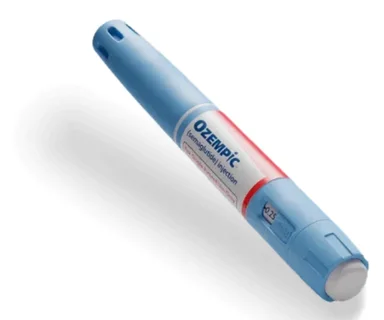
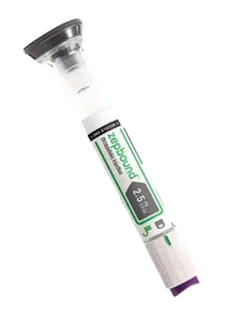
altRx bills itself as "the #1 most affordable GLP-1 program," and its published prices largely back that up: compounded GLP-1 (semaglutide) from $89/month and GLP-1 + GIP (tirzepatide) from $149/month - flat at every dose, so the price doesn't climb as you titrate up - alongside one of the few genuine brand-name shelves in this space (Ozempic $1,149, Zepbound $1,249, Wegovy $1,579 per month). It's a self-pay telehealth service: you complete a short assessment, a licensed provider (physician, PA, or nurse practitioner) reviews it, and if appropriate a prescription goes to a licensed US pharmacy, with free shipping in about 5-7 days. No insurance is required, Buy Now, Pay Later is available, and you can pause or cancel anytime. Two things to know before the details: shipping is slower than the 1-2 day providers (embody, DirectMeds), and Trustpilot does not currently display an aggregate score on altRx's profile - the individual reviews we quote on this page are real, but there's no independent average to lean on the way there is for rivals like Medvi (4.3 across 14,836) or embody (3.8 across 8,398). One of the real 4-star reviews we surface notes a refill 'yet to be fulfilled with zero reason as to why' - worth factoring in alongside the price advantage.
Read full altRx reviewDoes HRT help with menopause weight gain?
Do GLP-1 medications work for menopause weight gain?
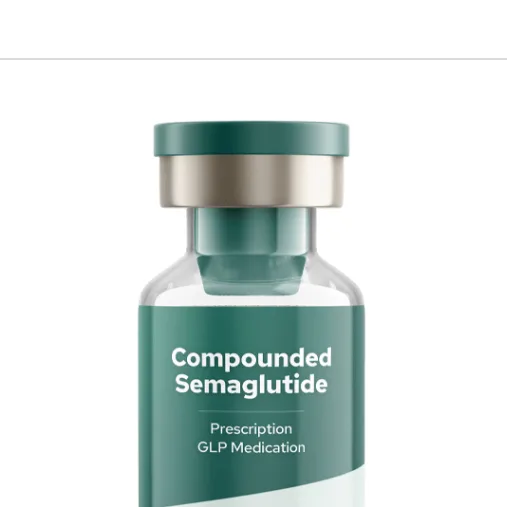
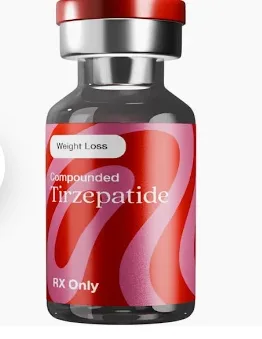
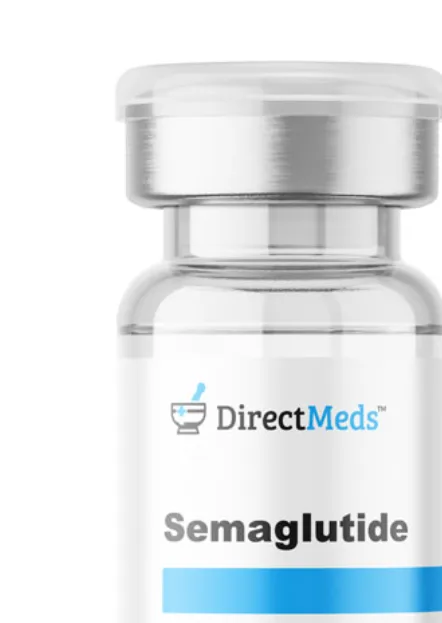
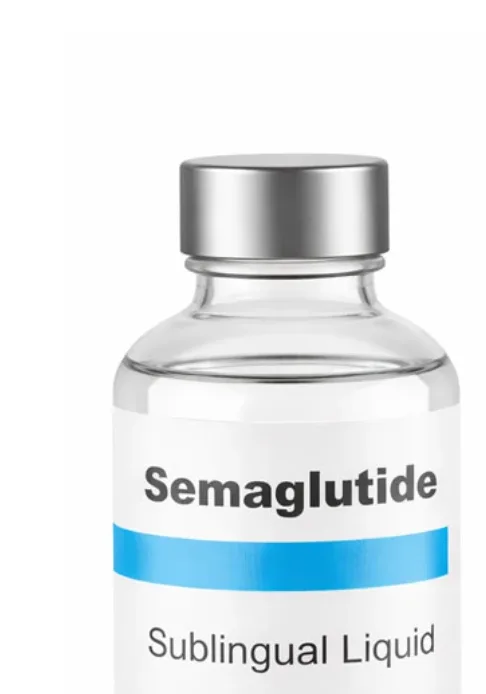
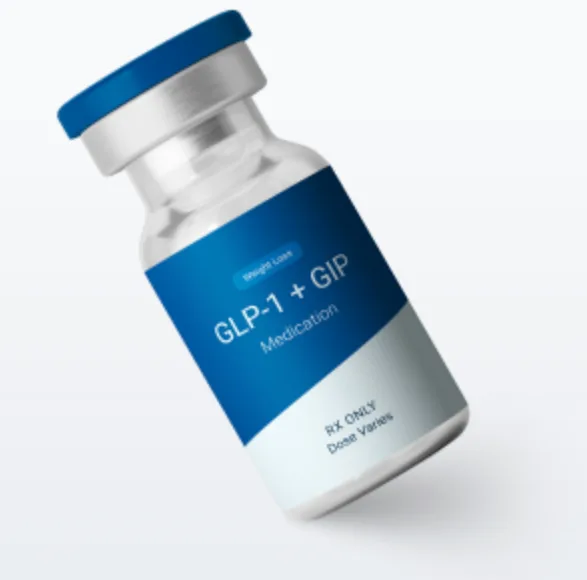
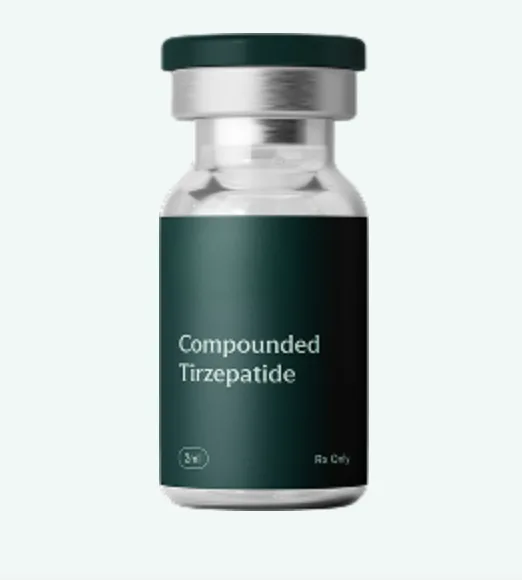
GLP-1 medications (semaglutide, tirzepatide) are prescribed based on standard clinical criteria - they aren't menopause-specific, and eligibility doesn't change at midlife. For women who qualify, they address the appetite and metabolic side of the equation; in trials semaglutide averaged ~15% body-weight loss and tirzepatide up to 22.5%.
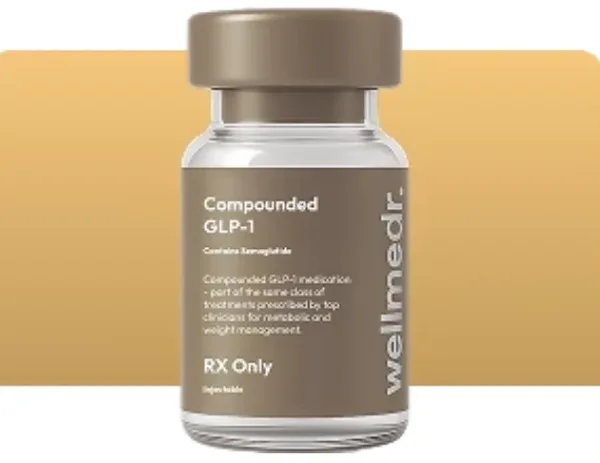
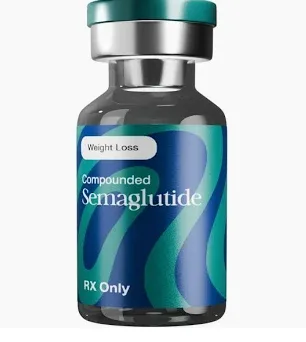
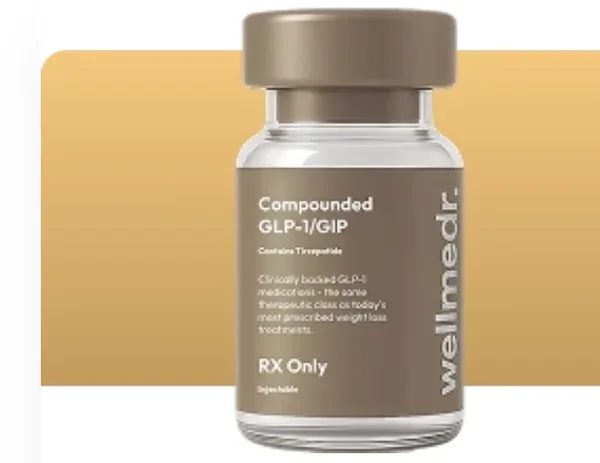
At verified published prices, compounded semaglutide starts at $59/month (wellmedr) and $69 at embody, with tirzepatide from $99 - see the full verified GLP-1 price comparison and the molecule head-to-head. A licensed provider review decides whether treatment is appropriate.
Shop GLP-1 plans by product
Every provider's published plans - cheapest first, conditions under each price.

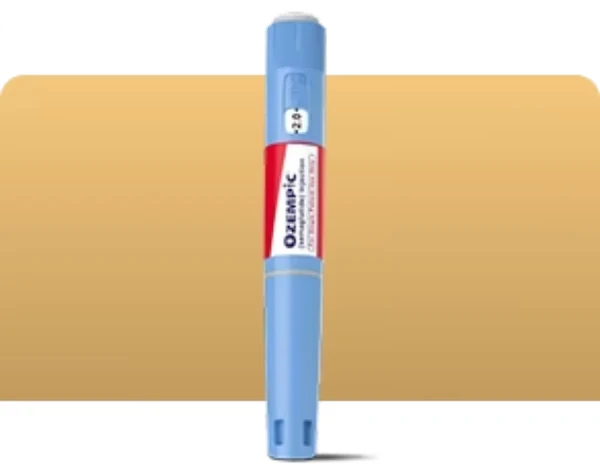
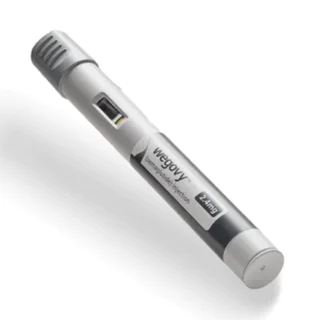
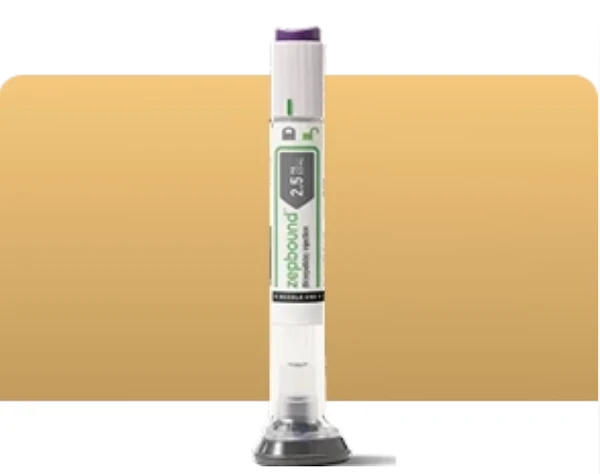
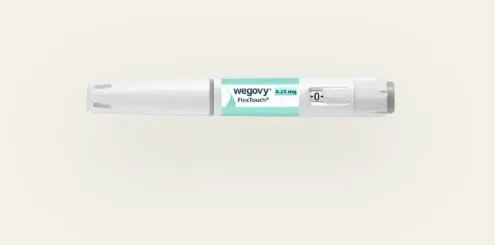
What else actually helps at this stage?
What To Know Before Starting GLP-1 Treatment
Before starting GLP-1 treatment, it's important to understand a few key things. These medications require a prescription from a licensed clinician and aren't suitable for everyone. Some people may experience side effects, especially during the first few weeks as the body adjusts.
GLP-1s also tend to work best when combined with basic lifestyle habits like balanced nutrition and regular physical activity.
That's why choosing a provider that offers proper medical screening and ongoing follow-up support is essential for both safety and long-term success.

Where should you start?
Split the problem in two. If menopause symptoms - sleep, hot flashes, mood - are disrupting your life, start with a menopause-specialized clinician: compare care models in Midi Health vs Winona.
If weight is the primary concern and you meet clinical criteria, compare GLP-1 weight loss providers with verified pricing, or take the 60-second matching quiz. Many women end up addressing both - with two different specialists, which is exactly how it should work.