Some providers featured on this site may compensate us. This may affect the order and placement of listings but does not influence our editorial ratings or reviews.
Treatments Hub
Science6 min read

HRT and Libido: Can Hormone Therapy Bring Back Sex Drive?

Low libido in menopause has more than one cause, so HRT helps some women and not others. How estrogen, comfort, sleep and testosterone each play a part.

Updated September 8, 2026

Medically reviewed · How we review

Key takeaways

  • Menopausal low libido usually has several overlapping causes, so there is no single hormone that reliably 'switches it back on'.
  • Standard HRT often helps indirectly and substantially - by relieving painful dryness, restoring sleep, and lifting the mood and energy that desire depends on.
  • Estrogen addresses comfort and the physical side; the role of testosterone in women is more limited, specialized and carefully prescribed.
  • Because the causes are layered, the fix is usually a combination and a conversation, not a single pill.

Why does libido drop in menopause?

Because several things move at once. Falling estrogen brings vaginal dryness and discomfort that can make sex painful rather than appealing; hot flashes and night sweats wreck the sleep that desire depends on; mood and energy dip; and life stage and relationship factors sit on top of all of it.

That layering is the whole reason low libido is frustrating to treat with a single lever - it is rarely "one hormone went down" and more often "four things went sideways together." Naming which factors are loudest for you is the first genuinely useful step, and it is a conversation a clinician is equipped to have.
Does standard HRT help libido?

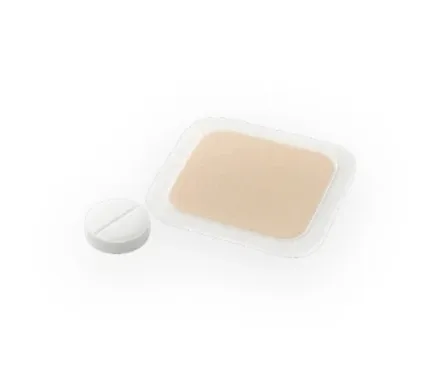
Often, and frequently more than women expect - but usually indirectly, which is worth understanding so the result is not disappointing. Estrogen therapy, including localized vaginal preparations, treats the dryness and discomfort that were making intimacy unappealing; systemic HRT that restores sleep and lifts hot flashes gives back the energy and mood that desire runs on.

For many women, fixing the comfort-and-sleep problem does more for libido than any drug aimed at desire directly. The forms and routes that do this are covered in estrogen patch vs pill.

HRT products from top online providers

Real HRT products and published prices from the online providers we rank.

Prescription required: a licensed clinician reviews your health history first. Prices as published in October 2026; confirm at checkout.

What about testosterone for women?

This is where honesty and caution matter. Testosterone does play a role in female libido, and in specific cases clinicians do prescribe low-dose testosterone for women - but it is a specialized, carefully dosed, closely monitored decision, not a routine add-on, and the products and guidance are more limited than for men.

It is emphatically not the same thing as male testosterone therapy: the difference between the two treatments is laid out in is HRT the same as TRT. Anyone marketing testosterone to women as a simple libido switch is overstepping what the evidence and the prescribing norms support.

How should I approach this with a provider?

Go in ready to describe which piece is loudest - pain, dryness, low desire despite comfort, exhaustion, or mood - because the treatment follows the cause. A menopause-focused provider can address the estrogen-and-comfort side directly and assess whether anything more specialized is warranted; Midi and Winona are built for exactly this kind of evaluation, and our HRT provider comparison maps the options.

For the broader trade-offs before starting anything, the pros and cons of HRT is the read. This article is general information, not medical advice.

Ready to compare weight loss providers?

See how top providers stack up on pricing, medical support, and treatment options.

Sources & medical references

Treatment facts on this page are grounded in regulatory guidance and peer-reviewed research. Pricing and plan details come from each provider's published information. This content is for information only and is not medical advice - always consult a licensed clinician before starting treatment.

  1. 1.FDA Approves Labeling Changes to Menopausal Hormone Therapy Products - U.S. Food & Drug Administration - February 2026
  2. 2.FDA Requests Labeling Changes to Clarify the Benefit/Risk Considerations for Menopausal Hormone Therapies - U.S. Food & Drug Administration - November 2025
  3. 3.The Women's Health Initiative Randomized Trials and Clinical Practice: A Review - Manson JE et al., JAMA - 2024;331(20):1748-1760
  4. 4.The 2022 hormone therapy position statement of The North American Menopause Society - Menopause (journal), The Menopause Society - 2022;29(7):767-794
  5. 5.The 2023 nonhormone therapy position statement of The North American Menopause Society - Menopause (journal), The Menopause Society - 2023
  6. 6.Menopause: identification and management (NG23, updated November 2024) - National Institute for Health and Care Excellence (NICE)
  7. 7.FDA Update on Estradiol Transdermal Patch Availability - U.S. Food & Drug Administration - 2026
  8. 8.Hormone Therapy for Menopause - patient FAQ - American College of Obstetricians and Gynecologists (ACOG)
  9. 9.Menopause - overview - National Institute on Aging (NIA), NIH