Some providers featured on this site may compensate us. This may affect the order and placement of listings but does not influence our editorial ratings or reviews.
Treatments Hub
Guide55 min read

Menopause: The Complete Guide to Stages & Treatment

Everything about menopause in one evidence-based guide: stages, common symptoms, diagnosis, long-term health and every hormonal and non-hormonal option in 2026.

Updated October 18, 2026

Medical reviewer · How we review

Key takeaways

  • Menopause is your final menstrual period, confirmed after 12 months without one. In the US it happens on average around age 51-52; the transition before it (perimenopause) often lasts several years.
  • Hot flashes and night sweats are the hallmark symptom. In the large SWAN study, frequent hot flashes lasted a median of 7.4 years - so this is rarely a 'few months' problem.
  • Hormone therapy is the most effective treatment for hot flashes and vaginal symptoms, and for healthy women who start it before 60 or within 10 years of menopause the benefits generally outweigh the risks.
  • Strong non-hormonal options exist: fezolinetant (Veozah), elinzanetant (Lynkuet, approved October 2025), low-dose paroxetine and other SSRIs/SNRIs, gabapentin, oxybutynin, CBT and clinical hypnosis.
  • Menopause also changes long-term health - bone, heart and metabolism - so it is a good moment to review screening, not just symptoms.

What is menopause?

Menopause is the point at which your menstrual periods stop for good because your ovaries have stopped releasing eggs and producing most of their estrogen. It is defined after the fact: you have reached menopause once you have gone 12 consecutive months without a period, with no other cause such as pregnancy, breastfeeding, hormonal contraception or illness explaining it. The day of your last period is your "final menstrual period," and everything after it is postmenopause.

In everyday speech, "menopause" is used much more loosely - to describe the whole stretch of years when cycles change and symptoms such as hot flashes, poor sleep and mood shifts appear. Clinically, most of those years are actually perimenopause, the transition that leads up to the final period. Knowing the difference matters, because the advice is not the same: a woman in perimenopause can still get pregnant, can have very unpredictable bleeding, and may experience hormone swings that are bigger, not smaller, than before.

Menopause is a normal life stage, not a disease. But "normal" does not mean "something you just have to put up with." The hormonal change affects temperature control, sleep, mood, the vagina and bladder, bones, blood vessels and metabolism. For some women it passes with little trouble; for many it brings years of symptoms that disrupt work, relationships and health. Effective treatment exists for most of those symptoms, and the evidence about it has changed considerably in the last few years.

Why this guide exists

Information about menopause has been unusually confusing for women. Hormone therapy was prescribed very widely in the 1990s, then abandoned almost overnight after the first Women's Health Initiative results in 2002, and has since been re-evaluated: in 2025 and 2026 the US Food and Drug Administration began removing the broad "boxed" warnings that had been on hormone therapy labels for more than two decades. Meanwhile, two new classes of non-hormonal medicine have arrived, and online menopause clinics have made specialist care far easier to reach.

This guide pulls all of it into one place. Each section starts with a short, direct answer, then goes into detail, and links to our deeper guides where you want more. It is written for women going through the transition, and for partners, friends and family who want to understand it.

Menopause in one table

TermWhat it means
PremenopauseYour reproductive years before cycle changes begin.
PerimenopauseThe transition: cycles become irregular and symptoms often start. Usually lasts several years.
MenopauseThe final menstrual period, confirmed after 12 months without a period.
PostmenopauseAll the years after menopause. Some symptoms fade; others (like vaginal dryness) can continue or worsen.
Early menopauseMenopause before age 45.
Premature menopause / primary ovarian insufficiency (POI)Ovarian function stopping before age 40.
Surgical or induced menopauseMenopause caused by removal of both ovaries, or by treatments such as chemotherapy or pelvic radiation.

What are the stages of menopause?

There are three broad stages: perimenopause (the transition), menopause (the final period) and postmenopause (everything after). Researchers divide these further, using a framework called STRAW+10 (Stages of Reproductive Aging Workshop), which is based mainly on how your cycles change rather than on blood tests.

Late reproductive years

Before perimenopause officially begins, subtle changes can already appear in your 40s - cycles may get a little shorter, periods heavier or lighter, and premenstrual symptoms may change. Fertility declines significantly during this time even when cycles still look regular.

Early perimenopause

The defining sign of early perimenopause is a persistent change in the length of your cycle - typically cycles that vary by seven days or more from one to the next. Hormone levels start to swing: some cycles are high in estrogen, others low, and ovulation becomes less reliable. Many women first notice sleep changes, worse premenstrual symptoms, breast tenderness, heavier periods or the first occasional hot flash during this phase.

Late perimenopause

Late perimenopause begins when you start skipping periods - going 60 days or more between them. Estrogen levels are lower on average and more erratic, and this is when hot flashes and night sweats are most likely to become frequent and intense. Late perimenopause usually lasts one to three years before the final period.

Menopause

Menopause is a single moment - the last period - identified in hindsight after 12 months without bleeding. If you have had a hysterectomy but still have your ovaries, you won't have periods to count, so menopause is identified by symptoms and age instead (see the diagnosis section below).

Early postmenopause

The first five to eight years after the final period are when estrogen settles at its new low level and when bone loss is fastest. Hot flashes often continue for several years into this phase. Vaginal and urinary symptoms tend to appear or become more noticeable now.

Late postmenopause

From roughly the mid-to-late 50s onward, hormone levels are stable and low. Hot flashes fade for most women (though not all), while changes to vaginal and urinary tissue - known as the genitourinary syndrome of menopause - often persist or progress if untreated. Long-term health priorities shift toward bone, heart and metabolic health.

How long does perimenopause last?

Perimenopause commonly lasts around four to eight years, but the range is wide: for some women it is a year or two, for others more than a decade. Because it begins with subtle changes and ends with a date you only know in retrospect, many women realize they were in perimenopause only after the fact. For a symptom-by-symptom look at this phase, see our guide to perimenopause symptoms.

What is the difference between perimenopause and menopause?

Perimenopause is the transition - usually several years long - when hormones fluctuate and periods become irregular. Menopause is a single point in time: your final period, confirmed after 12 months without one.

PerimenopauseMenopause / postmenopause
PeriodsIrregular, heavier or lighter, skippedStopped (any bleeding needs checking)
HormonesSwinging - sometimes high, sometimes lowConsistently low estrogen, high FSH
Pregnancy possible?Yes - contraception still neededNo, once menopause is confirmed
Typical symptomsHot flashes begin, mood and sleep changes, heavy periods, worse PMSHot flashes often continue for years; vaginal and urinary symptoms become more prominent
Typical ageOften starts in the 40sAverage around 51-52 in the US

In practice, the symptoms overlap and many women move between "good" and "bad" phases. The distinction matters most for contraception, for how hormone therapy is structured (cyclical versus continuous), and for how bleeding is interpreted.

At what age does menopause start?

In the United States the average age at menopause is about 51 to 52, and most women reach it between 45 and 55. The US Office on Women's Health puts the average at age 52. Perimenopause typically begins in the early-to-mid 40s, though some women notice changes in their late 30s.

What affects the age of menopause?

The timing is partly inherited - if your mother reached menopause early or late, you are somewhat more likely to do the same - but other factors play a role:

  • Smoking is consistently linked to reaching menopause earlier, by around one to two years on average.
  • Ovarian surgery, including removal of one ovary or surgery for endometriosis, can bring menopause forward.
  • Hysterectomy without removal of the ovaries may lead to slightly earlier ovarian decline, and it removes the visible sign (periods) that usually marks the transition.
  • Cancer treatments - chemotherapy and pelvic radiation - can stop ovarian function, temporarily or permanently.
  • Certain medical conditions, including some autoimmune and genetic conditions, are associated with earlier ovarian failure.

The age you started your periods, the number of pregnancies you've had and your use of the contraceptive pill have much smaller or inconsistent effects.

Early menopause (before 45)

About 5% of women go through menopause naturally before age 45. Early menopause matters medically, not just emotionally: losing estrogen earlier means more years at higher risk of bone loss and cardiovascular disease. For that reason, women with early menopause are generally advised to take hormone therapy (or other estrogen) at least until the average age of natural menopause, unless there is a specific reason not to - this is replacing hormones the body would normally still be making, not "extra" hormones.

Premature menopause and primary ovarian insufficiency (before 40)

When the ovaries stop working normally before 40, the condition is called primary ovarian insufficiency (POI), sometimes "premature ovarian failure." It affects roughly 1% of women. Unlike natural menopause, POI can be intermittent - some women with POI still ovulate occasionally and a small number conceive. Missed periods for several months before 40 should always be investigated; possible causes include genetic conditions, autoimmune disease, prior cancer treatment, and in many cases no cause is found. Treatment usually includes hormone replacement until around the age of natural menopause, to protect bones, heart and brain.

Surgical and induced menopause

Removing both ovaries (bilateral oophorectomy) causes immediate menopause. Because estrogen drops overnight rather than over years, symptoms can be sudden and severe. Women who have this surgery before natural menopause should discuss hormone therapy with their surgeon or gynecologist in advance; for many, starting it soon after surgery is recommended. Women having ovaries removed because of a high inherited cancer risk (for example, a BRCA mutation) without a personal history of breast cancer are often still candidates for hormone therapy - this is a specialist conversation worth having before surgery.

What happens to your hormones during menopause?

During perimenopause your ovaries' hormone output becomes erratic - estrogen swings up and down, and progesterone falls as ovulation becomes less regular. After menopause, estrogen settles at a much lower level, and your brain's signals to the ovaries (FSH and LH) rise and stay high.

Estrogen

The main estrogen during your reproductive years is estradiol, made by the follicles in the ovaries. As the supply of follicles runs down in your 40s, the system becomes unstable. The pituitary gland in the brain pushes harder (with more follicle-stimulating hormone, FSH) to recruit follicles, which can sometimes cause higher than usual estrogen in a given cycle - one reason perimenopause can bring heavy periods and breast tenderness - followed by cycles with very little. Over time, the low-estrogen cycles win out.

After menopause the ovaries make very little estradiol. A weaker estrogen, estrone, continues to be made in fat tissue from adrenal hormones, which is one reason body weight can influence how women experience postmenopause.

Estrogen receptors are found throughout the body - in the brain's temperature-regulating centre, in the vagina, bladder and urethra, in bone, in blood vessel walls, in skin and in the parts of the brain involved in mood and sleep. That is why falling estrogen produces such a varied list of symptoms.

Progesterone

Progesterone is produced after ovulation. As ovulation becomes less reliable in perimenopause, many cycles produce little or no progesterone. Progesterone has calming, sleep-promoting effects in the brain and keeps the lining of the uterus in check; its decline may contribute to sleep problems and to heavy or irregular bleeding in perimenopause. Our guide to progesterone for menopause explains its role in treatment.

FSH and LH

FSH and luteinizing hormone (LH) are the brain's messengers to the ovaries. As ovarian output falls, they rise. A persistently high FSH is a marker of menopause, but in perimenopause FSH bounces between normal and high from week to week - which is why a single FSH test is not a reliable way to diagnose perimenopause.

Testosterone

Women produce testosterone too, in the ovaries and adrenal glands. Unlike estrogen, testosterone declines gradually with age across the 20s to 50s rather than dropping sharply at menopause. Removing the ovaries does cause a sudden fall. Testosterone's main proven role in menopause treatment is for low sexual desire that causes distress; it is covered in the sexual health section below.

Why fluctuation, not just low levels, causes symptoms

A common misconception is that symptoms simply track how low estrogen is. In fact, many of the worst symptoms - mood swings, migraines, heavy bleeding, sleep disruption - are driven by the instability of perimenopause. This is why women can feel worse in the late 40s than after menopause, and why "hormone testing" to find the "right level" is rarely useful: the level today tells you little about next week.

What are the symptoms of menopause?

The most common symptoms are hot flashes and night sweats, sleep problems, mood changes, brain fog, irregular periods (in perimenopause), vaginal dryness and painful sex, bladder changes, joint aches and lower libido. Most women have some symptoms; a substantial minority have symptoms severe enough to affect daily life. No two women have the same pattern, and symptoms can come and go.

Symptoms by body system

SystemCommon symptomsTypical timing
Temperature (vasomotor)Hot flashes, night sweats, flushing, chills afterward, palpitations during a flashLate perimenopause to several years after the final period
SleepTrouble falling or staying asleep, early waking, waking drenched in sweatPerimenopause onward
Mood and mindIrritability, low mood, anxiety, new or worsening depression, poor concentration, forgetfulness ("brain fog")Most common in perimenopause
MenstrualShorter or longer cycles, heavier or lighter bleeding, skipped periods, spottingPerimenopause
Vaginal, vulvar and urinaryDryness, itching, burning, pain with sex, more frequent UTIs, urgency, needing to urinate at nightOften starts later and tends to persist or worsen without treatment
SexualLower desire, slower arousal, less intense orgasm, discomfortAny stage
MusculoskeletalJoint and muscle aches, stiffness, frozen shoulderPerimenopause and postmenopause
Skin and hairDrier, thinner skin, more wrinkles, hair thinning, sometimes more facial hairPostmenopause
OtherHeadaches or changes in migraine pattern, heart palpitations, weight gain around the middle, dry eyes, tinnitus, itchy skinVariable

How common are symptoms?

Vasomotor symptoms - hot flashes and night sweats - are the most typical, affecting a large majority of women at some point during the transition; estimates commonly range up to around 80%. Sleep disturbance is markedly more common in perimenopause than in the years before it. Vaginal and urinary symptoms are also very common after menopause, but they are under-reported because many women assume they're an unavoidable part of ageing or feel embarrassed to raise them.

Symptoms that are easy to miss

Some symptoms are not widely known to be linked to menopause, so women may not connect the dots - or may be sent down other diagnostic paths first:

  • Joint pain and stiffness - often in the hands, knees and shoulders - can be one of the most bothersome symptoms for some women.
  • Anxiety and panic, sometimes in women who have never had them before.
  • Heart palpitations, particularly during or around hot flashes.
  • Recurrent urinary tract infections and urgency, caused by thinning tissue in the bladder and urethra.
  • Itchy or crawling skin (formication) and dry eyes.
  • Burning mouth or changes in taste.
  • Worsening migraine during perimenopause, often improving after menopause.

When symptoms are not menopause

Because the list is so broad, it overlaps with other conditions. Thyroid disease, anemia (especially with heavy periods), depression, sleep apnea, diabetes, some medications and, rarely, other hormone disorders can cause similar symptoms. A good clinician considers these - particularly if your symptoms don't fit the usual pattern, or if you're under 45. See the diagnosis section for which tests are useful.

For a closer look at the earliest symptoms, read our guide to perimenopause symptoms.

Why do hot flashes happen and how long do they last?

Hot flashes happen because falling estrogen disrupts the brain's temperature-control centre, making it overreact to tiny rises in body temperature. For women with frequent hot flashes, they last a median of 7.4 years in total - and often four or more years after the final period.

What a hot flash is

A hot flash is a sudden feeling of intense heat, usually across the chest, neck and face, often with flushing and sweating, sometimes followed by chills as the body over-corrects. Some women also feel anxiety or a racing heart just before or during a flash. Most last from about one to five minutes. Night sweats are hot flashes that happen during sleep, and they are a major cause of broken sleep in midlife.

The brain science, simply

Deep in the brain, the hypothalamus acts like a thermostat with a comfort zone. Estrogen normally helps keep a group of nerve cells there - called KNDy neurons - in check. When estrogen falls, these neurons become overactive, signalling through a chemical messenger called neurokinin B. The thermostat's comfort zone narrows, so even a small rise in core temperature is treated as overheating, and the body responds with flushing and sweating to dump heat.

This discovery led directly to a new class of non-hormonal drugs - neurokinin receptor antagonists - which calm that pathway without replacing estrogen. They are covered in the non-hormonal treatment section below.

How long do hot flashes last?

Much longer than women are often told. In the Study of Women's Health Across the Nation (SWAN), a large US study following women through the transition, the median total duration of frequent hot flashes was 7.4 years, and among women whose final period could be identified, symptoms persisted a median of 4.5 years after it. Women who began having frequent hot flashes earlier - while still premenopausal or in early perimenopause - had the longest duration, often more than a decade. Duration also differed by race and ethnicity, with Black women reporting the longest duration on average.

A minority of women continue to have hot flashes into their 60s and beyond. There is no fixed age at which they must stop.

Triggers you can control

Common triggers include warm rooms, hot drinks, alcohol, spicy food, caffeine, stress and tight or synthetic clothing. Avoiding triggers can reduce the number of flashes for some women but rarely eliminates them. Practical measures - layered clothing, a fan by the bed, cooling pillows, keeping the bedroom cool - help with comfort.

Why hot flashes matter beyond comfort

Frequent, severe hot flashes are linked with poorer sleep, lower mood, reduced work productivity and lower quality of life. Research has also associated persistent, frequent vasomotor symptoms with markers of higher cardiovascular risk, although whether treating them changes that risk is not established. The practical point: hot flashes that disrupt your life are a legitimate medical problem with effective treatments, not something to wait out.

Most effective treatments

Hormone therapy is the most effective treatment, reducing hot flash frequency substantially in clinical trials. For women who can't or don't want to use hormones, fezolinetant, elinzanetant, certain antidepressants, gabapentin and oxybutynin are all evidence-based options, as are cognitive behavioural therapy and clinical hypnosis for how bothersome flashes feel. Each is covered below.

How does menopause affect sleep, mood and memory?

Sleep problems, low mood, anxiety and "brain fog" are all common in the menopause transition. Night sweats disrupt sleep directly, hormone fluctuation affects mood-regulating brain chemistry, and poor sleep worsens both mood and concentration. For most women, the memory and concentration changes are real but temporary.

Sleep

Women in perimenopause report sleep disturbance at roughly twice the rate of premenopausal women. Causes stack up: night sweats wake you, falling progesterone removes a natural sleep aid, anxiety makes it harder to drop off, and needing to urinate at night interrupts sleep later on. Midlife is also when sleep apnea becomes more common in women - snoring, gasping, morning headaches and daytime sleepiness despite a full night in bed are reasons to ask about it.

What helps:

  • Treating night sweats (hormone therapy or non-hormonal options) often improves sleep substantially.
  • Cognitive behavioural therapy for insomnia (CBT-I) is the first-line treatment for chronic insomnia at any age and works in midlife women.
  • A cool, dark bedroom, regular wake time, limiting alcohol (which fragments sleep and triggers night sweats) and avoiding late caffeine.
  • For some women, micronized progesterone taken at bedtime as part of hormone therapy has a sedating effect that helps sleep.

Mood, anxiety and depression

The menopause transition is a window of increased vulnerability to depression - including first-ever depression in women who have never had it before. In SWAN, women in late perimenopause had notably higher odds of significant depressive symptoms than premenopausal women, and risk was higher still in those with frequent hot flashes and night sweats. Women with a history of depression, postpartum depression or severe premenstrual mood symptoms (PMDD) are at particular risk.

Irritability, tearfulness, feeling flat and new anxiety are common. These are not character flaws or "just stress." At the same time, midlife often brings other pressures - caring for children and parents, career peaks, relationship changes - that interact with the biology.

Treatment depends on what's going on:

  • For clinical depression, standard treatments - talking therapy and antidepressants - remain first-line. Some antidepressants (SSRIs and SNRIs) also reduce hot flashes, which can make them a useful two-for-one.
  • For mood symptoms tied to the transition, especially with hot flashes, hormone therapy may improve mood in perimenopausal women, though it is not approved as a treatment for depression.
  • Anyone with thoughts of self-harm should seek help immediately. In the US you can call or text 988 (Suicide & Crisis Lifeline).

Brain fog and memory

Many women describe forgetting words, losing their train of thought or struggling to concentrate. Studies have found measurable, modest dips in some memory and processing tasks during perimenopause that tend to recover after menopause. Poor sleep and hot flashes make brain fog worse, so treating them often helps.

Brain fog in the menopause transition is not an early sign of dementia. Hormone therapy is not recommended as a way to prevent dementia; the evidence does not support starting it for that purpose, and starting it at 65 or older was associated with a higher risk of dementia in the Women's Health Initiative Memory Study. If memory problems are getting steadily worse, affecting daily function, or others are noticing them, ask for an assessment.

How does menopause affect vaginal, urinary and sexual health?

Lower estrogen thins and dries the tissues of the vulva, vagina, urethra and bladder - a condition now called genitourinary syndrome of menopause (GSM). It causes dryness, irritation, pain with sex, urinary urgency and recurrent UTIs. Unlike hot flashes, GSM usually doesn't go away on its own and tends to worsen over time - but it is very treatable.

Genitourinary syndrome of menopause (GSM)

GSM replaced older terms like "vaginal atrophy" because it affects more than the vagina. Symptoms include:

  • Vaginal dryness, burning, itching or irritation
  • Pain or bleeding with sex
  • Reduced natural lubrication and arousal
  • Urinary urgency, frequency, discomfort, or needing to get up at night
  • Recurrent urinary tract infections

Studies suggest around half of postmenopausal women have symptoms, but far fewer seek treatment. Because GSM is progressive, earlier treatment is easier and more effective.

Treatments for GSM

OptionWhat it isNotes
Vaginal moisturizersOver-the-counter products used a few times a weekFirst step for mild symptoms; improve comfort day to day.
LubricantsWater-, silicone- or oil-based products used during sexReduce friction and pain with sex; check compatibility with condoms.
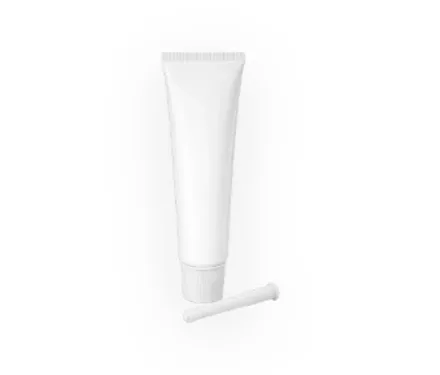
Low-dose vaginal estrogenCream, tablet/insert or ring placed in the vaginaHighly effective; very little reaches the bloodstream. Can be used long term.
Vaginal DHEA (prasterone)Nightly vaginal insertNon-estrogen prescription option for painful sex due to menopause.
OspemifeneDaily oral tablet that acts like estrogen on vaginal tissuePrescription option for painful sex; a tablet rather than a vaginal product.
Pelvic floor physical therapySpecialist physiotherapyHelpful for pain, muscle tension and bladder symptoms.

The Menopause Society's 2022 position statement recommends low-dose vaginal estrogen, vaginal DHEA or ospemifene for bothersome symptoms that persist despite over-the-counter products, and notes that these treatments can be used at any age and for extended periods. Systemic hormone therapy (pills, patches, gels) also helps GSM, but some women on systemic therapy still need vaginal treatment too.

Is vaginal estrogen safe?

Low-dose vaginal estrogen delivers estrogen mainly to the tissues where it's needed, with very little absorbed into the bloodstream. It is considered safe for most women, including many who cannot take systemic hormone therapy. For breast cancer survivors, decisions should be made with their oncology team; the Menopause Society notes that for survivors whose symptoms don't respond to non-hormonal treatment, observational data suggest low-dose vaginal estrogen appears safe and greatly improves quality of life for many.

Low libido and sexual changes

Sexual desire is shaped by many things - relationship, stress, body image, mood, medications, fatigue and pain - as well as hormones. Treating pain from GSM is often the single most effective step, because pain understandably suppresses desire.

When low desire causes distress and other causes have been addressed, testosterone is an evidence-based option for postmenopausal women. The 2019 Global Consensus Position Statement found that testosterone at doses that restore premenopausal levels can improve desire, arousal, orgasm and satisfaction in postmenopausal women with hypoactive sexual desire disorder - and that there is no evidence supporting testosterone for mood, memory, bone or muscle. There is currently no FDA-approved testosterone product for women in the US, so clinicians use carefully dosed male products off-label with blood-level monitoring; the consensus recommends against compounded testosterone.

Bladder health

Urinary urgency, frequency and leaking become more common after menopause. Pelvic floor exercises, bladder training, reducing caffeine and alcohol, and vaginal estrogen (which can also lower the risk of recurrent UTIs) all help. Persistent leaking, blood in the urine, or symptoms that don't improve should be assessed.

What happens to periods in perimenopause, and when should bleeding be checked?

In perimenopause, periods typically become irregular - closer together at first, then further apart - and can be heavier or lighter than before. Some changes are expected, but very heavy bleeding, bleeding between periods, bleeding after sex, or any bleeding after menopause should be checked by a clinician.

What's typical

  • Cycles that become shorter (for example every 21-24 days) in early perimenopause.
  • Cycles that become longer, with skipped periods, in late perimenopause.
  • Periods that are heavier or lighter than you're used to, or last a different number of days.
  • Occasional light spotting.

What needs checking

  • Very heavy bleeding - soaking a pad or tampon every hour or two, passing large clots, or bleeding that makes you feel weak or dizzy. Heavy bleeding can cause iron-deficiency anaemia, which itself causes fatigue and brain fog.
  • Periods lasting much longer than usual (more than about seven days) or coming more often than every 21 days.
  • Bleeding between periods or after sex.
  • Any bleeding after menopause - that is, after 12 months without a period. Postmenopausal bleeding is usually caused by something benign, but it must always be investigated because it can be an early sign of endometrial (uterine) cancer.

Evaluation may include a pelvic exam, ultrasound and sometimes a sample of the uterine lining (endometrial biopsy). Fibroids and polyps are common causes of heavier bleeding at this age and are treatable.

Treating heavy perimenopausal periods

Options include a levonorgestrel intrauterine system (a hormonal IUD), which reduces bleeding dramatically for many women and can also serve as contraception and as the progestogen part of hormone therapy later; tranexamic acid or anti-inflammatory medicines taken during periods; hormonal contraception; and procedures such as endometrial ablation or, if needed, surgery for fibroids or polyps.

Can you get pregnant in perimenopause?

Yes. Fertility is much lower in the late 40s, but ovulation still happens unpredictably, and pregnancies in women over 40 have a higher rate of complications. If you don't want to become pregnant, you need contraception until you are clearly past menopause. Common guidance (for example from the UK's Faculty of Sexual and Reproductive Healthcare) is to continue contraception until one year after the last period if you are over 50, or two years if you are under 50, and notes that contraception can generally be stopped at age 55, when natural conception is exceptionally rare.

Important: menopausal hormone therapy is not contraception. The doses used to treat symptoms do not reliably prevent ovulation. Women in perimenopause who need both symptom relief and contraception have options, including a hormonal IUD combined with estrogen, or - for suitable women - certain contraceptive pills, which can also smooth out symptoms. Combined hormonal contraception is generally not advised beyond 50, so plans usually change around then.

How is menopause diagnosed?

For most women over 45, menopause and perimenopause are diagnosed from symptoms and menstrual history alone - no blood test is needed. Hormone tests are mainly useful for women under 45, when the diagnosis is uncertain, or to rule out other conditions.

The clinical diagnosis

The UK's National Institute for Health and Care Excellence (NICE) guideline, one of the most widely referenced menopause guidelines internationally, advises clinicians to diagnose without laboratory tests in otherwise healthy women over 45:

  • Perimenopause - based on hot flashes or other vasomotor symptoms plus irregular periods.
  • Menopause - in women who have not had a period for at least 12 months and are not using hormonal contraception.
  • Menopause based on symptoms - in women without a uterus (after hysterectomy).

Why FSH tests are often unhelpful

FSH fluctuates widely during perimenopause, so a normal result doesn't rule perimenopause out and a high result doesn't tell you when your final period will be. Tests such as anti-Müllerian hormone (AMH), inhibin, estradiol and ovarian ultrasound are also not recommended for diagnosing menopause in women over 45. FSH is also unreliable while taking combined hormonal contraception or high-dose progestogen.

When tests do help

  • Under 40: suspected primary ovarian insufficiency is diagnosed with FSH measured on two occasions several weeks apart, plus investigations into the cause.
  • Age 40-45: FSH may be considered when symptoms suggest menopause.
  • To rule out other causes: thyroid function, full blood count (for anaemia), pregnancy test, blood sugar and other tests when symptoms are atypical.

What to expect at an appointment

A clinician will usually ask about your cycle pattern and your last period, your symptoms and how much they affect you, your personal and family medical history (especially blood clots, stroke, heart disease, breast cancer, liver disease, migraine with aura), medications and supplements, smoking and alcohol, and your preferences. Blood pressure and weight are commonly checked. A pelvic exam is not always necessary for a menopause consultation, but may be needed for bleeding problems or vaginal symptoms. Make sure your routine screening - cervical screening, mammography, blood pressure, cholesterol and diabetes checks - is up to date.

Keeping a symptom and period diary for a couple of months before your appointment makes the conversation much more productive.

How does menopause affect long-term health?

The loss of estrogen after menopause speeds up bone loss, shifts cholesterol and fat distribution in a less heart-healthy direction, and changes metabolism. Heart disease and osteoporosis become the dominant long-term health risks, so menopause is a natural moment to review screening and prevention.

Bones and osteoporosis

Estrogen slows the breakdown of bone. In the years around the final period and the first few years after it, bone loss accelerates, and women can lose a substantial amount of bone density in this window. Over time this leads to osteoporosis - weaker, more fragile bones - and a higher risk of fractures of the hip, spine and wrist. Hip fractures in particular carry serious consequences for independence and survival in older age.

Screening: the US Preventive Services Task Force (January 2025 recommendation) recommends osteoporosis screening for all women 65 and older, and for postmenopausal women under 65 at increased risk of fracture - typically assessed using a fracture-risk calculator and then a bone density (DXA) scan. Risk factors include early menopause, low body weight, smoking, heavy alcohol use, long-term steroid use, a parent who had a hip fracture, rheumatoid arthritis and previous fractures.

Prevention: weight-bearing and resistance exercise, adequate calcium (ideally from food) and vitamin D, not smoking, limiting alcohol and preventing falls. Hormone therapy prevents bone loss and reduces fractures, and the Menopause Society considers it an appropriate option for preventing bone loss in women at elevated risk who are under 60 or within 10 years of menopause, particularly if they also have symptoms. Other bone medicines (such as bisphosphonates) are used to treat established osteoporosis.

Heart and blood vessels

Cardiovascular disease is the leading cause of death in women. Before menopause, women develop heart disease later than men on average; after menopause the gap narrows. During the transition, LDL ("bad") cholesterol tends to rise, fat shifts toward the abdomen, blood pressure may increase and insulin sensitivity may fall. Early menopause, and especially premature or surgical menopause, is associated with higher cardiovascular risk.

What matters most for your heart is the same as for anyone: blood pressure, cholesterol, blood sugar, not smoking, physical activity, diet, sleep and weight. Menopause is a good point to get these numbers checked. Pregnancy history is also relevant - pre-eclampsia, gestational diabetes and preterm birth are recognized markers of higher future cardiovascular risk worth mentioning to your clinician.

Hormone therapy is not recommended specifically to prevent heart disease. The timing matters, though: analyses of the Women's Health Initiative and other studies suggest that women who start hormone therapy within about 10 years of menopause, or before 60, do not face the increase in coronary events seen in women who start much later - the so-called "timing hypothesis." A 2024 review of the WHI trials in JAMA concluded that hormone therapy is appropriate for managing symptoms in early menopause but should not be used for chronic disease prevention.

Weight and metabolism

Many women gain weight in midlife, and more of it settles around the abdomen. Ageing, lower muscle mass, reduced activity and sleep loss all contribute alongside hormonal change. Menopause itself is more strongly linked to the redistribution of fat toward the waist than to total weight gain. Hormone therapy does not cause weight gain on average and may modestly reduce abdominal fat, but it is not a weight-loss treatment.

Strength training is particularly valuable from midlife: it preserves muscle (which supports metabolism and blood sugar control), protects bones and improves balance. Protein intake, alcohol reduction and sleep all matter too. Where obesity is affecting health, modern medical treatments are an option to discuss with a clinician; the Menopause Society also lists weight loss among the strategies that can help hot flashes in women with excess weight.

Brain health

Women are more likely than men to develop Alzheimer's disease, partly because they live longer. Whether menopause timing or hormone therapy affects long-term dementia risk is an area of active research without firm answers yet. Current advice is that hormone therapy should not be started to prevent dementia. What does support brain health is managing blood pressure, diabetes and cholesterol, staying physically and socially active, treating hearing loss, getting enough sleep, and not smoking.

Other changes worth knowing about

  • Pelvic floor: weakening can lead to prolapse and leaking; pelvic floor exercises and physiotherapy help.
  • Skin: collagen declines quickly in the first years after menopause, making skin thinner and drier.
  • Joints and muscles: aches are common; staying active and strength training help.
  • Eyes and mouth: dry eyes and gum changes are more common; keep up dental and eye checks.

What are the treatment options for menopause symptoms?

The main options are hormone therapy (systemic or vaginal), prescription non-hormonal medicines, psychological therapies such as CBT and clinical hypnosis, and lifestyle changes. Which is right depends on which symptoms bother you most, your medical history, your age and time since menopause, and your preferences.

The options at a glance

OptionBest forKey considerations
Systemic hormone therapy (estrogen, plus a progestogen if you have a uterus)Hot flashes, night sweats, sleep disrupted by sweats, vaginal symptoms, bone protectionMost effective option; benefits generally outweigh risks for healthy women under 60 or within 10 years of menopause
Low-dose vaginal estrogenVaginal dryness, painful sex, urinary symptoms, recurrent UTIsMinimal absorption; suitable for most women, long term
Fezolinetant (Veozah)Moderate to severe hot flashesNon-hormonal; requires liver blood tests
Elinzanetant (Lynkuet)Moderate to severe hot flashesNon-hormonal; approved October 2025; may cause drowsiness; liver monitoring
SSRIs/SNRIs (e.g., low-dose paroxetine, escitalopram, venlafaxine)Hot flashes, especially with low mood or anxietyModerate benefit; some interact with tamoxifen
GabapentinHot flashes, particularly night sweatsOften taken at bedtime; drowsiness and dizziness common
OxybutyninHot flashes; also overactive bladderDry mouth and constipation; cognitive concerns in older adults
CBT and clinical hypnosisBothersome hot flashes, sleep, moodNo drug side effects; good evidence
Vaginal DHEA, ospemifenePainful sex due to menopauseNon-estrogen prescription alternatives
TestosteroneDistressing low sexual desire after menopauseOff-label in the US; blood-level monitoring
LifestyleAll symptoms, long-term healthExercise, sleep habits, alcohol reduction, weight loss if relevant

How to choose

A practical way to think about it:

  • If hot flashes and night sweats are the main problem and you're under 60 or within 10 years of your last period with no contraindications, hormone therapy is usually the most effective first choice.
  • If you can't take estrogen (for example after breast cancer or a blood clot) or prefer not to, the non-hormonal medicines and CBT/hypnosis are the evidence-based alternatives.
  • If vaginal or urinary symptoms are the main problem, local treatment (moisturizers, lubricants, vaginal estrogen, DHEA or ospemifene) is usually enough on its own.
  • If mood is the main problem, depression should be assessed and treated in its own right; hot flash treatment may help too.
  • If you're under 45 with early menopause, hormone replacement is generally recommended at least until the average age of menopause.

It's reasonable to try one approach, review after about three months, and adjust. Treatment decisions aren't permanent.

Which treatment works best for each menopause symptom?

Use this quick reference to see which evidence-based options target each symptom. Your clinician will tailor choices to your history.

SymptomMost effective optionsOther evidence-based options
Hot flashes and night sweatsSystemic hormone therapyFezolinetant, elinzanetant, SSRIs/SNRIs, gabapentin, oxybutynin, CBT, clinical hypnosis, weight loss
Vaginal dryness and painful sexLow-dose vaginal estrogenMoisturizers, lubricants, vaginal DHEA, ospemifene, pelvic floor therapy
Recurrent UTIs and urgencyVaginal estrogenBladder training, pelvic floor exercises, oxybutynin and other bladder medicines
Sleep problemsTreating night sweats; CBT for insomniaBedtime micronized progesterone (as part of HT), gabapentin, elinzanetant for VMS-related sleep disturbance
Low mood and anxietyStandard depression/anxiety treatment (therapy, SSRIs/SNRIs)Hormone therapy may help mood in perimenopause; CBT
Low sexual desire with distressAddress pain and relationship factors firstTestosterone (postmenopausal women), sex therapy
Bone lossHormone therapy (under 60 / within 10 years), exercise, calcium and vitamin DBisphosphonates and other bone medicines for osteoporosis
Heavy perimenopausal bleedingLevonorgestrel IUDTranexamic acid, anti-inflammatories, hormonal contraception, procedures
Joint achesExercise and strength trainingPhysiotherapy, weight management, hormone therapy may help some

How does hormone therapy (HRT) work?

Hormone therapy replaces some of the estrogen your ovaries no longer make. Women who still have a uterus also take a progestogen (such as micronized progesterone) to protect the uterine lining. It is the most effective treatment for hot flashes and night sweats, and it also treats vaginal symptoms and prevents bone loss.

You'll see it called HRT (hormone replacement therapy), MHT (menopausal hormone therapy) or simply HT. They mean the same thing. Our guide What Is HRT? covers the basics in more depth.

The two parts of hormone therapy

Estrogen does the symptom-relieving work. Most modern regimens use estradiol, the same estrogen the ovaries made - which is why it is described as "bioidentical." It comes in several forms:

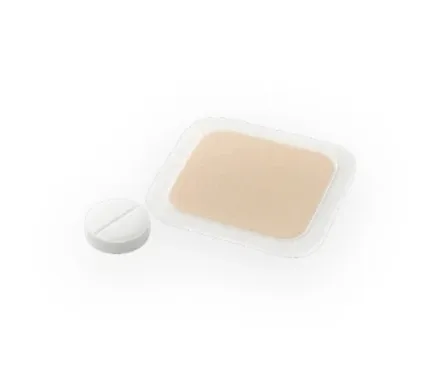
  • Pills (oral estradiol, or conjugated estrogens)
  • Skin patches, changed once or twice a week
  • Gels and sprays applied to the skin daily
  • Vaginal rings that deliver systemic doses (distinct from low-dose vaginal products)

A progestogen is needed if you have a uterus, because estrogen on its own stimulates the uterine lining and raises the risk of endometrial cancer. Options include micronized progesterone capsules (bioidentical), synthetic progestins, a levonorgestrel IUD, or a combination product. Women who have had a hysterectomy usually take estrogen alone. See progesterone for menopause for the differences between progesterone and progestins and their side effects.

Pill or patch?

The route matters. Oral estrogen passes through the liver first, which affects clotting factors - so pills are associated with a higher risk of blood clots than estrogen absorbed through the skin. Transdermal estrogen (patch, gel, spray) is generally preferred for women with higher clot risk, migraine, or certain other conditions, and it has a lower risk of blood clots in observational studies. Some women simply prefer the convenience of a daily pill. Our detailed comparison, estrogen patch vs pill, walks through each form.

Sequential vs continuous regimens

  • Sequential (cyclical): estrogen every day plus a progestogen for 12-14 days a month, producing a monthly withdrawal bleed. Often used in perimenopause, when irregular bleeding is likely anyway.
  • Continuous combined: estrogen and progestogen every day, usually leading to no bleeding after an initial settling period. Generally used once a woman is postmenopausal.

FDA-approved vs compounded hormones

Many FDA-approved products already contain bioidentical estradiol and progesterone. "Compounded bioidentical hormones" are mixed by pharmacies to individual prescriptions; they are not FDA-approved, are not tested for consistent dosing and purity in the same way, and evidence does not show they are safer or more effective. Major professional bodies recommend FDA-approved products for most women. Read bioidentical hormones explained for a full breakdown, including which approved products are bioidentical.

How quickly does it work?

Many women notice hot flashes easing within a few weeks, with full benefit usually by around three months. Vaginal symptoms can take a few months to improve. Common early side effects - breast tenderness, bloating, headaches, irregular spotting - often settle within the first three months; if they don't, the dose, route or progestogen can be changed.

Who is hormone therapy best suited for?

The Menopause Society's 2022 position statement concludes that for women under 60, or within 10 years of their final period, without contraindications, the benefit-risk balance of hormone therapy is favourable for treating bothersome hot flashes and for preventing bone loss in those at elevated risk. For women who start more than 10 years after menopause or after 60, the balance is less favourable because of greater absolute risks of heart disease, stroke, blood clots and dementia.

How long can you take it?

There is no arbitrary time limit. The Menopause Society advises that the decision to continue should be individualized and revisited periodically, considering ongoing symptoms, bone health and changing risks - and that it does not recommend routinely stopping at 60 or 65. Some women stop after a few years; others continue longer with their clinician's support. When stopping, there is no clear evidence that tapering versus stopping abruptly changes whether symptoms return, though many clinicians taper. For a deeper look at evidence on risks, see Is HRT safe?

Hormone therapy in perimenopause

You don't have to wait for your periods to stop. Hormone therapy can be started in perimenopause; it is often combined with a cyclical progestogen or a hormonal IUD, and contraception needs to be considered separately. See HRT for perimenopause.

What changed with the FDA's hormone therapy warnings in 2025-2026?

In November 2025 the FDA asked manufacturers to remove the boxed warnings about cardiovascular disease, breast cancer and probable dementia from menopausal hormone therapy labels, and in February 2026 it approved the first updated labels. The boxed warning about endometrial cancer for estrogen-alone products remains.

Background

Boxed warnings - the most prominent warning on a US drug label - were added to hormone therapy products after the Women's Health Initiative (WHI) published its first results in 2002. Those results reported increased risks of breast cancer, heart disease, stroke and blood clots in women taking combined hormone therapy. Prescribing fell dramatically worldwide.

Over the following two decades, further analysis showed that the WHI participants were, on average, in their 60s and many years past menopause - older than most women who seek treatment for symptoms - and that risks differ considerably by age, time since menopause, type of hormone and route.

What the FDA did

  • In November 2025, the FDA requested labeling changes to remove the boxed warnings related to cardiovascular disease, breast cancer and probable dementia, and to add context about the age and timing of starting therapy.
  • On February 12, 2026, it approved the first six updated labels, with other products following as their manufacturers' submissions are reviewed.
  • The boxed warning for endometrial cancer with systemic estrogen-alone products was kept - which is why women with a uterus take a progestogen alongside estrogen.

What it means for you

Removing a boxed warning is not the same as removing the risks. Blood clots, stroke and breast cancer considerations still appear in the prescribing information and still matter in individual decisions. What changed is the framing: the evidence now emphasizes that for healthy women starting treatment around the time of menopause, the absolute risks are low and the benefits for symptoms are substantial. Our article Is HRT Safe? What the Evidence Says in 2026 walks through the numbers.

For the whole story - what the 2002 trial measured, what the FDA changed and kept, and what the medical societies said - read HRT black box warning removed.

Estradiol patch supply

Demand for estradiol patches rose sharply after the labeling changes, and some women had trouble finding their usual brand or strength. The FDA has said that estradiol patches remain available and supply has been expanding, though availability can vary by pharmacy. If you can't find your patch, ask your pharmacist or prescriber about another approved brand or a different route - don't change products or doses on your own.

What are the non-hormonal prescription treatments for hot flashes?

The main non-hormonal prescription options are fezolinetant (Veozah), elinzanetant (Lynkuet), low-dose paroxetine and other SSRIs/SNRIs, gabapentin and oxybutynin. The Menopause Society's 2023 non-hormone therapy position statement recommends all of them, alongside CBT and clinical hypnosis. They are especially important for women who can't take estrogen - such as many breast cancer survivors and women with a history of blood clots - and for those who simply prefer not to.

Neurokinin receptor antagonists: a new class

These medicines target the brain pathway behind hot flashes directly (see "Why do hot flashes happen?" above).

Fezolinetant (Veozah) blocks the neurokinin-3 (NK3) receptor. It was approved by the FDA in 2023 for moderate to severe hot flashes due to menopause and is taken as a daily tablet. In December 2024 the FDA added a boxed warning about rare but serious liver injury; liver blood tests are required before starting, then monthly for the first three months and again at months six and nine. Anyone taking it who develops signs of liver problems - such as yellowing of the skin or eyes, dark urine, pale stools, itching, unusual tiredness, nausea or pain in the upper right abdomen - should stop and contact their prescriber.

Elinzanetant (Lynkuet) blocks both the NK1 and NK3 receptors. It was approved by the FDA on October 24, 2025 for moderate to severe hot flashes due to menopause, as a once-daily dose taken at bedtime. In its phase 3 trials it reduced hot flash frequency compared with placebo and also improved sleep disturbance. The most common side effects include headache, fatigue, dizziness and sleepiness, and the label includes warnings about central nervous system effects (such as drowsiness affecting driving) and liver enzyme elevations.

Antidepressants (SSRIs and SNRIs)

Low-dose paroxetine (7.5 mg, Brisdelle) was the first non-hormonal medicine FDA-approved for hot flashes, in 2013. Other SSRIs and SNRIs - including escitalopram, citalopram, venlafaxine and desvenlafaxine - are used off-label and reduce hot flashes moderately. They can be a good choice if you also have low mood or anxiety. Side effects can include nausea, sleep changes and sexual side effects. Important: paroxetine and fluoxetine interfere with the activation of tamoxifen, so they are generally avoided in women taking tamoxifen for breast cancer; venlafaxine or citalopram are often preferred instead.

Gabapentin

Gabapentin, originally an anti-seizure and nerve pain medicine, reduces hot flashes and is often taken at bedtime, where its sedating effect can help night sweats and sleep. Dizziness and drowsiness are common, especially when starting.

Oxybutynin

Oxybutynin is a bladder medicine that also reduces hot flashes - helpful for women who have overactive bladder symptoms too. Side effects include dry mouth, constipation and blurred vision. Anticholinergic medicines like oxybutynin have been associated with cognitive decline with long-term use in older adults, so they are generally used with caution as women get older.

Clonidine

Clonidine, a blood pressure medicine, has a small effect on hot flashes but more side effects (dry mouth, drowsiness, low blood pressure) than the options above, so it is used less often today.

How the options compare

MedicineHow it's takenNotable side effects / monitoringParticularly suited to
Fezolinetant (Veozah)Daily tabletLiver tests at baseline and during the first 9 monthsWomen who want a targeted non-hormonal option
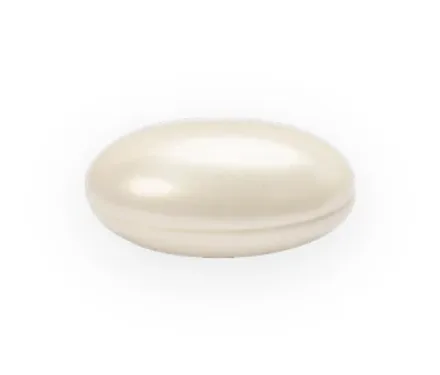
Elinzanetant (Lynkuet)Daily capsule at bedtimeDrowsiness, headache, fatigue, dizziness; liver enzymesWomen with hot flashes and disrupted sleep
Paroxetine 7.5 mg, other SSRIs/SNRIsDaily tabletNausea, sexual side effects; tamoxifen interactions (paroxetine, fluoxetine)Hot flashes with low mood or anxiety
GabapentinOften at bedtimeDrowsiness, dizzinessNight sweats and sleep problems
OxybutyninDaily tabletDry mouth, constipation; caution with ageHot flashes with overactive bladder

Non-hormonal medicines treat hot flashes but do not treat vaginal symptoms or protect bone the way estrogen does, so other treatments may be needed for those.

Which lifestyle changes and natural remedies actually help with menopause?

The best-evidenced non-drug approaches are cognitive behavioural therapy (CBT), clinical hypnosis and, for women with excess weight, weight loss. Exercise, good sleep habits and cutting back on alcohol help overall health and wellbeing. Most supplements and herbal remedies - including soy, black cohosh and evening primrose oil - are not recommended because the evidence doesn't show they work.

What the evidence supports

The Menopause Society's 2023 non-hormone therapy position statement reviewed the evidence systematically:

  • Cognitive behavioural therapy (CBT) - a structured talking therapy, available in person, online or by book. CBT for menopause doesn't necessarily reduce how often hot flashes happen, but it significantly reduces how much they bother you and improves sleep and mood.
  • Clinical hypnosis - guided sessions focused on cooling imagery and relaxation, which in trials reduced hot flash frequency and severity.
  • Weight loss - for women with overweight or obesity, losing weight has been associated with fewer hot flashes.
  • Stellate ganglion block - an injection procedure near nerves in the neck, with emerging evidence for severe hot flashes; it is a specialist option, not a first step.

What isn't recommended for hot flashes

The same review found insufficient or negative evidence for:

  • Supplements and herbal remedies - including black cohosh, evening primrose oil, red clover, dong quai, maca, pollen extract and various "menopause blends." Some carry risks (black cohosh has been linked to rare liver injury) and supplements are not regulated for purity or dose like medicines.
  • Soy foods and soy extracts, and isoflavone supplements.
  • Paced breathing, yoga and other mind-body practices as treatments for hot flashes - although they may help with stress and general wellbeing.
  • Acupuncture, which did not outperform sham acupuncture in well-designed trials.
  • Cannabinoids.
  • Exercise as a treatment for hot flashes specifically - though exercise is strongly recommended for almost everything else in midlife.

Lifestyle habits that help overall

  • Strength training two or more days a week to protect muscle and bone, plus regular aerobic activity for heart health and mood.
  • Sleep routines: consistent wake time, cool bedroom, limiting screens and caffeine late in the day; CBT-I for persistent insomnia.
  • Alcohol: cutting back reduces night sweats for many women, improves sleep, and lowers breast cancer and other risks.
  • Stopping smoking lowers risks to bone, heart and more - and smoking is associated with more hot flashes.
  • Diet: a pattern rich in vegetables, fruit, whole grains, legumes, nuts, fish and adequate protein supports heart and bone health; calcium-rich foods and enough vitamin D support bone.
  • Cooling strategies: layers, breathable fabrics, a bedside fan, cool drinks.
  • Pelvic floor exercises for bladder control.

Be cautious about products marketed with claims to "balance hormones," saliva or hair hormone tests used to sell supplements, and expensive "detox" protocols. None of these have good evidence.

HRT products from top online providers

Real HRT products and published prices from the online providers we rank.

Prescription required: a licensed clinician reviews your health history first. Prices as published in October 2026; confirm at checkout.

Who should not take hormone therapy?

Systemic hormone therapy is generally not recommended for women with a history of breast cancer or other estrogen-sensitive cancers, blood clots (DVT or pulmonary embolism), stroke, heart attack or coronary heart disease, active liver disease, or unexplained vaginal bleeding. Many other conditions call for extra care rather than a flat "no."

Usually not suitable (systemic hormone therapy)

  • Current or past breast cancer, or another estrogen-dependent cancer
  • Unexplained vaginal bleeding (it must be investigated first)
  • Past or current blood clots - deep vein thrombosis or pulmonary embolism - or a known high-risk clotting disorder
  • Stroke, heart attack or established coronary heart disease
  • Active liver disease
  • Pregnancy

Situations that need individual assessment

  • Migraine, especially migraine with aura - transdermal estrogen at steady doses is generally preferred.
  • High blood pressure - should be controlled; transdermal estrogen is usually favoured.
  • Higher clot risk (obesity, smoking, family history of clots, immobility) - transdermal routes have a lower clot risk than pills.
  • Gallbladder disease - oral estrogen increases gallbladder risk more than transdermal.
  • Endometriosis or fibroids - therapy can be used with appropriate progestogen and monitoring.
  • Strong family history of breast cancer, or a BRCA mutation - often still possible, especially after risk-reducing surgery; a specialist conversation is important.
  • Diabetes, lupus, epilepsy and other chronic conditions - case by case.
  • Starting more than 10 years after menopause or after 60 - higher absolute risks; a careful benefit-risk discussion is needed.

Breast cancer survivors

For women who have had breast cancer, systemic hormone therapy is generally avoided. The non-hormonal options in this guide are the main alternatives for hot flashes, choosing carefully around tamoxifen interactions. For vaginal symptoms, non-hormonal moisturizers and lubricants are the first step; low-dose vaginal estrogen may be considered in discussion with the oncology team when these aren't enough. Women taking aromatase inhibitors have specific considerations, so decisions should always involve their cancer specialists.

What about vaginal estrogen?

Low-dose vaginal estrogen is absorbed in very small amounts, so it is considered suitable for many women who cannot use systemic hormone therapy. Your clinician will consider your specific history.

How do you talk to a doctor about menopause?

Go in prepared: track your symptoms and periods for a few weeks, list your medical and family history, write down your top two or three goals, and ask directly about all your options - hormonal and non-hormonal. If you feel dismissed, it is reasonable to seek a clinician with menopause expertise.

Many women report that their menopause symptoms were minimized, misattributed or never raised. Menopause training has historically been limited in many medical curricula, so the quality of care varies a lot. Preparation helps you get the most out of a short appointment.

Before your appointment

  • Symptom diary: note hot flashes and night sweats (how many, how bad), sleep, mood, periods and any bleeding changes for two to eight weeks.
  • Impact: write down how symptoms affect work, sleep, relationships and daily life. Concrete examples help.
  • History: blood clots, stroke, heart disease, breast or other cancers, migraine with aura, liver disease, and your family history of the same.
  • Medications and supplements, including anything you've already tried for symptoms.
  • Your priorities: for example, "stop the night sweats so I can sleep," "fix painful sex," "protect my bones."

Questions worth asking

  • Are my symptoms consistent with perimenopause or menopause, or should we check for anything else?
  • Am I a candidate for hormone therapy? Which form and dose would you suggest, and why?
  • If not hormones, which non-hormonal options suit me?
  • Do I need a progestogen? Which one, and what bleeding should I expect?
  • Do I still need contraception?
  • What should we check about my bones and heart?
  • When should we review how treatment is working?

If you feel dismissed

You can ask for a second opinion, request a referral to a gynecologist or menopause specialist, or look for a clinician certified in menopause medicine (the Menopause Society maintains a directory of certified practitioners). Online menopause services, discussed next, have also made specialist-focused care easier to access.

Can you get menopause treatment online?

Yes. Licensed telehealth providers can assess menopause symptoms, prescribe hormone therapy and many non-hormonal treatments, and arrange ongoing follow-up - either through an online health questionnaire reviewed by a clinician or through video visits. For many women, especially those far from a menopause specialist, online care is the fastest route to evidence-based treatment.

How online menopause care works

  1. Intake: a detailed online health history covering symptoms, periods, medical and family history, medications and preferences. Some services add a video visit.
  2. Clinical review: a clinician licensed in your state reviews your information, may ask follow-up questions or request recent blood pressure readings or screening results, and decides whether treatment is appropriate.
  3. Prescription: medication is either shipped to you or sent to your local pharmacy.
  4. Follow-up: messaging or visits to review how treatment is working and adjust doses.

What to look for in an online provider

  • Clinicians licensed in your state, ideally with menopause training
  • A thorough medical history before prescribing - be wary of anyone who prescribes without one
  • Clear information on which products are FDA-approved and which are compounded
  • Both hormonal and non-hormonal options
  • Transparent pricing, and clarity on whether insurance is accepted
  • Real follow-up, not a one-off prescription
  • Clear guidance on what needs in-person care (for example, unexplained bleeding, breast lumps, abnormal screening)

The providers we compare

We've reviewed three leading US online menopause services in depth:

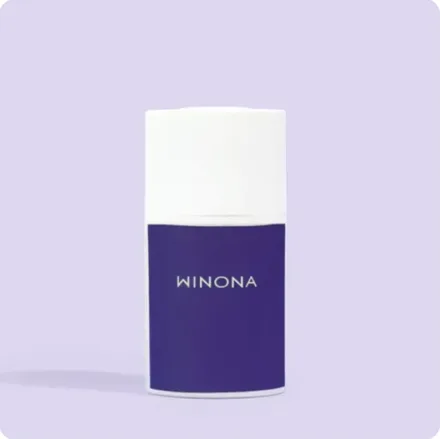
  • Winona - physician-led care through an online intake with no video visit required, offering estradiol (including FDA-approved tablets and patches), progesterone capsules, vaginal estrogen and compounded creams, with ongoing doctor messaging.
  • Gala - a flat monthly program with US-licensed clinicians that includes check-ins, dose adjustments and medication shipping.
  • Midi Health - a menopause-focused virtual clinic with video visits that bills most major insurance plans and sends prescriptions to your own pharmacy.

For a step-by-step walkthrough of the process - eligibility, the intake, costs, insurance and red flags - read how to get HRT online.

See how they compare side by side in our online HRT providers comparison, or in the head-to-heads Winona vs Gala, Winona vs Midi Health and Gala vs Midi Health. Our provider rankings explain who each one fits best.

When in-person care matters

Online care works well for diagnosis and treatment of typical menopause symptoms, but some things need a physical exam or tests: postmenopausal bleeding or abnormal bleeding patterns, breast changes, pelvic pain, suspected prolapse, and routine screening such as mammograms and cervical screening. A good online provider will tell you when to see someone in person.

How much does menopause treatment cost?

Costs vary widely depending on whether you use insurance, the medication and form you're prescribed, and whether you use a traditional clinic or an online service. Generic estradiol and progesterone are often inexpensive with insurance or discount programs; brand-name products and newer non-hormonal medicines can cost much more.

What drives the cost

  • Visits: insurance copays, or self-pay consultation fees.
  • Medication: generic oral estradiol is usually among the lowest-cost options; patches, gels, sprays and brand-name combination products tend to cost more. Newer non-hormonal medicines such as fezolinetant and elinzanetant are brand-only and typically expensive without coverage.
  • Membership or program fees for some online services, which may bundle clinician access, follow-ups and shipping.
  • Insurance coverage, which varies by plan; prior authorization may be required for newer drugs.

Typical online provider pricing

Pricing changes, so always confirm on the provider's site, but based on our most recent research:

  • Gala uses one flat monthly price, advertised from about $79/month cash-pay, including the clinician, check-ins, dose changes, medication and shipping. See Gala cost.
  • Winona prices by treatment - from about $39/month for progesterone up to about $149/month for the estrogen patch - and does not bill insurance, though HSA/FSA funds can be used. See Winona cost.
  • Midi Health bills most major insurance plans; self-pay is $250 for the first visit and $150 for follow-ups, with medication costs through your pharmacy benefit. See Midi Health cost.

Ways to save

  • Ask whether a generic version or a different route is available and covered.
  • Compare pharmacy cash prices and discount programs if paying out of pocket.
  • Use HSA or FSA funds where eligible.
  • Check your plan's formulary and whether prior authorization is needed before starting a newer medicine.
  • Ask about 90-day supplies.

Why do joints ache during menopause?

Joint and muscle aches are among the most common - and least recognized - menopause symptoms. Estrogen has anti-inflammatory effects and helps maintain cartilage, tendons and connective tissue, so falling levels can bring stiffness and pain, often in the hands, knees, hips and shoulders.

Many women first notice morning stiffness that eases as they move, or aching after exercise that takes longer to settle. Frozen shoulder (adhesive capsulitis) is more common in women in their 40s and 50s. Because osteoarthritis also becomes more common with age, it isn't always easy to separate the two.

What helps

  • Staying active: regular movement, strength training and low-impact exercise such as swimming or cycling reduce stiffness and protect joints over time.
  • Weight management reduces load on knees and hips.
  • Sleep: poor sleep lowers pain tolerance, so treating night sweats and insomnia can ease aches indirectly.
  • Hormone therapy: some women report improvement in joint pain on hormone therapy, and some trial data support a modest benefit, though it isn't prescribed primarily for this.
  • Physiotherapy for specific problems such as frozen shoulder or knee pain.

When to get it checked

Hot, swollen or red joints, symmetrical joint swelling in the hands, prolonged morning stiffness lasting more than an hour, or pain with fever or weight loss can point to inflammatory arthritis (such as rheumatoid arthritis) rather than menopause and should be assessed - early treatment matters.

Are heart palpitations a menopause symptom?

Yes - many women notice a racing, pounding or fluttering heartbeat during perimenopause, often during or just before a hot flash. These palpitations are usually harmless, but new palpitations should still be checked, because heart rhythm problems also become more common with age.

Hormone fluctuation affects the nervous system's control of heart rate and blood vessels, which is why palpitations often accompany hot flashes or anxiety. Caffeine, alcohol, nicotine, dehydration, thyroid overactivity and anaemia can all make them worse.

Get medical help promptly if palpitations come with

  • Chest pain or pressure, shortness of breath, fainting or near-fainting
  • A very fast heartbeat that doesn't settle within minutes
  • A persistently irregular pulse
  • A known heart condition

For ongoing palpitations, a clinician may check thyroid function, blood count and an ECG, and sometimes arrange a heart-rhythm monitor. Women's heart attack symptoms can be less "classic" than men's - including breathlessness, nausea, jaw or back pain and unusual fatigue - so don't dismiss new chest symptoms as menopause.

How does menopause affect migraines and headaches?

Migraines often get worse during perimenopause because of hormone swings - especially falling estrogen - and then, for many women, improve after menopause once hormone levels are stable. Women whose migraines were linked to their periods (menstrual migraine) are most likely to notice this pattern.

If you have migraine and are considering hormone therapy:

  • Transdermal estrogen (patch, gel or spray) is generally preferred, because it provides steadier hormone levels than pills and does not raise clot risk in the same way.
  • Migraine with aura is not an automatic bar to hormone therapy at menopausal doses, but it needs individual assessment; it is a reason to avoid estrogen-containing contraceptive pills, which use higher doses.
  • Continuous rather than cyclical regimens may help if headaches cluster around the progestogen phase.

A new type of headache, a sudden "worst-ever" headache, headache with neurological symptoms (weakness, speech difficulty, vision loss) or headaches that steadily worsen need urgent assessment.

What happens to skin and hair during menopause?

Falling estrogen reduces collagen, skin thickness, moisture and elasticity, so skin often becomes drier, thinner and more prone to wrinkles after menopause. Hair may thin on the scalp, while some women notice more facial hair.

Collagen loss is fastest in the first years after menopause. Skin may also bruise more easily, heal more slowly and become itchier. Hair changes reflect the shifting balance between estrogen and androgens (such as testosterone), along with genetics.

What helps

  • Daily broad-spectrum sunscreen - sun damage is the biggest controllable cause of skin ageing.
  • Fragrance-free moisturizers and gentle cleansers; topical retinoids for photo-ageing (under clinician or pharmacist guidance).
  • Not smoking, and a diet with adequate protein.
  • For hair thinning, see a clinician to check iron levels, thyroid function and other causes; treatments such as topical minoxidil are available.
  • Hormone therapy may help preserve skin thickness and collagen, but it is not prescribed for cosmetic reasons alone.

Sudden or significant hair loss, rapidly increasing facial or body hair, or a deepening voice are not typical of menopause and should be assessed.

How can you manage menopause at work?

Menopause symptoms - particularly hot flashes, poor sleep, brain fog and heavy bleeding - can affect concentration, confidence and attendance at work. Effective treatment is the single biggest lever, but practical workplace adjustments help too.

Midlife is often when women are at senior levels of their careers, and surveys in several countries have found that a meaningful share of women have reduced hours, turned down promotion or left work because of menopause symptoms. Employers are increasingly recognizing menopause as a workplace health issue.

Practical adjustments that help

  • Control over temperature: a desk fan, a seat near a window or away from heat sources, access to cold water.
  • Breathable uniforms or flexibility on dress code.
  • Easy access to toilets and the ability to take short breaks, particularly with heavy periods or urgency.
  • Flexible start times after nights of broken sleep, or hybrid working where possible.
  • Written notes or agendas for meetings to support concentration on brain-fog days.

Talking to your employer

You don't have to disclose details, but explaining that you're managing a health issue and asking for specific adjustments is often enough. Some employers have menopause policies or employee health programs, and some include menopause care in their health benefits. If symptoms are severe, a note from your clinician can support a request. Above all, treat the underlying symptoms - many women find their work life transforms once night sweats are under control and they are sleeping again.

Menopause glossary: key terms explained

Quick definitions of the terms you'll meet in menopause care and in the rest of this guide.

  • Perimenopause: the transition years before the final period, when cycles become irregular and symptoms often start.
  • Menopause: the final menstrual period, confirmed after 12 months without a period.
  • Postmenopause: the years after menopause.
  • Vasomotor symptoms (VMS): the medical term for hot flashes and night sweats.
  • Genitourinary syndrome of menopause (GSM): vaginal, vulvar and urinary symptoms caused by low estrogen - formerly called vaginal atrophy.
  • Primary ovarian insufficiency (POI): loss of normal ovarian function before age 40.
  • Surgical menopause: menopause caused by removal of both ovaries (bilateral oophorectomy).
  • HRT / MHT / HT: hormone replacement therapy, menopausal hormone therapy, hormone therapy - different names for the same treatment.
  • Systemic hormone therapy: estrogen that reaches the whole body (pills, patches, gels, sprays, high-dose rings) to treat symptoms such as hot flashes.
  • Local (vaginal) estrogen: low-dose estrogen placed in the vagina to treat GSM, with minimal absorption.
  • Estradiol: the main estrogen made by the ovaries, and the estrogen in most modern hormone therapy.
  • Progestogen: the umbrella term for progesterone and synthetic progestins, used with estrogen to protect the uterine lining.
  • Micronized progesterone: a bioidentical form of progesterone, taken as a capsule.
  • Transdermal: absorbed through the skin (patches, gels, sprays).
  • Bioidentical hormones: hormones chemically identical to those the body makes; available as FDA-approved products and as compounded preparations.
  • Compounded hormones: custom preparations mixed by a pharmacy; not FDA-approved.
  • Continuous combined therapy: estrogen and progestogen taken every day, usually leading to no bleeding.
  • Sequential (cyclical) therapy: daily estrogen with a progestogen for part of each month, producing a monthly bleed.
  • Neurokinin receptor antagonists: non-hormonal medicines (fezolinetant, elinzanetant) that block the brain pathway behind hot flashes.
  • FSH (follicle-stimulating hormone): a pituitary hormone that rises as ovarian function declines.
  • DXA scan: a low-dose X-ray that measures bone mineral density.
  • Osteoporosis: thinning, weakened bones with higher fracture risk.
  • Boxed warning: the most prominent safety warning on a US drug label.
  • Women's Health Initiative (WHI): a set of large US trials, first reported in 2002, that shaped decades of hormone therapy practice.
  • SWAN: the Study of Women's Health Across the Nation, a long-running US study of the menopause transition.

What happens to menopause after a hysterectomy?

It depends on whether your ovaries were removed. If both ovaries were removed, menopause begins immediately (surgical menopause). If your ovaries were kept, they continue working and you'll go through menopause naturally - you just won't have periods to signal it.

Hysterectomy with ovaries kept

Without periods, the main clues are symptoms: hot flashes, night sweats, sleep changes and vaginal dryness, typically around the usual age. Menopause is diagnosed from those symptoms and your age. Some research suggests ovarian function may decline a little earlier after hysterectomy. If you take hormone therapy, you usually need estrogen alone - without a uterus there is no lining to protect, so a progestogen is generally not required (an exception may be after certain surgeries for endometriosis).

Hysterectomy with both ovaries removed

Estrogen falls overnight, so symptoms can be abrupt and intense. If this happens before the natural age of menopause, estrogen replacement is generally recommended at least until around age 51-52 unless there's a reason not to, to protect bone, heart and brain health. Ideally, discuss a hormone plan before surgery so treatment can start promptly.

Estrogen-alone therapy and breast cancer

In the Women's Health Initiative, women without a uterus who took estrogen alone did not have an increased risk of breast cancer - their risk was lower than placebo. This is one reason the benefit-risk picture for estrogen-alone therapy is often more favourable than for combined therapy.

Can menopause symptoms come back after stopping HRT?

Yes - about half of women notice some return of symptoms after stopping hormone therapy, whether they stop gradually or all at once. Symptoms return because the underlying cause (low estrogen) hasn't changed; hormone therapy relieves symptoms while you take it rather than "resetting" anything. For many women, returning symptoms are milder than before and fade over time. If they're bothersome, options include restarting at a lower dose, switching to a non-hormonal treatment, or using vaginal estrogen alone for vaginal symptoms. Bone protection from hormone therapy also wanes after stopping, so bone health should be reviewed.

Does menopause cause weight gain?

Menopause is linked more to a shift of fat toward the abdomen than to large changes in total weight. Many women do gain weight in midlife, but ageing, loss of muscle, lower activity, poor sleep and stress all contribute alongside hormonal change. Abdominal fat matters because it is associated with higher cardiometabolic risk. Strength training, adequate protein, better sleep and reducing alcohol help. Hormone therapy does not cause weight gain on average. Where weight is significantly affecting health, discuss medical options with a clinician.

Is it menopause or something else?

Several conditions can mimic menopause symptoms, so it's worth ruling them out when symptoms are unusual, you're under 45, or treatment isn't helping. Common look-alikes include thyroid disorders (both over- and underactive), iron-deficiency anaemia (especially with heavy periods), depression and anxiety disorders, sleep apnea, diabetes, side effects of medications, and, rarely, other hormone conditions. Night sweats with fever, unexplained weight loss or swollen glands need prompt medical assessment. Simple blood tests and a careful history usually sort this out.

Can you still get pregnant during menopause?

You can get pregnant during perimenopause, but not after menopause is confirmed. Ovulation becomes irregular in perimenopause, not absent, so contraception is still needed if you want to avoid pregnancy - commonly until one year after your last period if you're over 50, or two years if under 50, and it can generally be stopped at 55. Menopausal hormone therapy does not work as contraception. Talk to a clinician about combining contraception with symptom relief - a hormonal IUD plus estrogen is one common approach.

Do all women need treatment for menopause?

No. Treatment is a choice based on how much symptoms affect you, not a requirement. Some women have few or mild symptoms and need nothing beyond healthy habits and routine screening. Others benefit greatly from treatment. The exceptions where treatment is usually recommended regardless of symptoms are early or premature menopause (before 45, and especially before 40), when hormone replacement protects long-term bone and heart health, and genitourinary syndrome of menopause causing pain or recurrent infections, which tends to worsen without treatment. Everyone in midlife benefits from checking blood pressure, cholesterol, blood sugar and bone health.

Is menopause hormone therapy linked to breast cancer?

Combined estrogen-plus-progestogen therapy is associated with a small increase in breast cancer risk that rises with longer use; estrogen-alone therapy (for women without a uterus) showed no increase - and a reduced risk - in the Women's Health Initiative trial. The absolute increase for combined therapy is small - comparable to or smaller than other common risk factors such as drinking alcohol regularly or having obesity after menopause - and the risk declines after stopping. The type of progestogen may matter: some observational data suggest micronized progesterone may carry less breast risk than synthetic progestins, though evidence is limited. Women with a personal history of breast cancer are generally advised against systemic hormone therapy. Keep up with mammography whether or not you take hormones. For the full evidence, see Is HRT safe?

The bottom line

Menopause is a universal transition, but the experience is anything but uniform. For some women it passes quietly; for many it brings years of hot flashes, broken sleep, mood changes and physical discomfort that deserve treatment. The evidence in 2026 is clearer than it has been in decades:

  • Hormone therapy is the most effective treatment for hot flashes and vaginal symptoms, and for healthy women who start it before 60 or within 10 years of menopause, the benefits generally outweigh the risks. The FDA's 2025-2026 label changes reflect that.
  • Non-hormonal options are now genuinely strong, with two neurokinin-targeting medicines alongside established options and psychological therapies.
  • Vaginal and urinary symptoms are common, progressive and very treatable - and local treatment is suitable for most women.
  • Long-term health - bones, heart and metabolism - deserves attention at this stage, whatever you decide about symptom treatment.

You don't need to wait until symptoms become unbearable, and you don't need to accept being dismissed. Bring your symptom diary and your questions to a clinician you trust - in person or through a licensed online menopause provider - and make a plan that fits your body, your history and your priorities. For authoritative patient information, the National Institute on Aging's menopause overview is another good place to start.

This guide is general information, not medical advice. A licensed clinician who knows your history should help you decide what, if any, treatment is right for you.

Ready to compare weight loss providers?

See how top providers stack up on pricing, medical support, and treatment options.

Sources & medical references

Treatment facts on this page are grounded in regulatory guidance and peer-reviewed research. Pricing and plan details come from each provider's published information. This content is for information only and is not medical advice - always consult a licensed clinician before starting treatment.

  1. 1.FDA Approves Labeling Changes to Menopausal Hormone Therapy Products - U.S. Food & Drug Administration - February 2026
  2. 2.FDA Requests Labeling Changes to Clarify the Benefit/Risk Considerations for Menopausal Hormone Therapies - U.S. Food & Drug Administration - November 2025
  3. 3.The Women's Health Initiative Randomized Trials and Clinical Practice: A Review - Manson JE et al., JAMA - 2024;331(20):1748-1760
  4. 4.The 2022 hormone therapy position statement of The North American Menopause Society - Menopause (journal), The Menopause Society - 2022;29(7):767-794
  5. 5.The 2023 nonhormone therapy position statement of The North American Menopause Society - Menopause (journal), The Menopause Society - 2023
  6. 6.Menopause: identification and management (NG23, updated November 2024) - National Institute for Health and Care Excellence (NICE)
  7. 7.FDA Update on Estradiol Transdermal Patch Availability - U.S. Food & Drug Administration - 2026
  8. 8.Hormone Therapy for Menopause - patient FAQ - American College of Obstetricians and Gynecologists (ACOG)
  9. 9.Menopause - overview - National Institute on Aging (NIA), NIH