Some providers featured on this site may compensate us. This may affect the order and placement of listings but does not influence our editorial ratings or reviews.
Treatments Hub
Guide7 min read

Perimenopause Symptoms: What's Normal and When to Get Help

Perimenopause symptoms explained - hot flashes, poor sleep, mood changes, irregular periods and more, why they happen and when treatment is worth discussing.

Updated September 30, 2026

Medically reviewed · How we review

Key takeaways

  • Perimenopause is the transition before menopause, when hormone levels - especially estrogen - fluctuate unpredictably, often for several years.
  • Common symptoms include irregular periods, hot flashes and night sweats, sleep problems, mood changes, brain fog and vaginal dryness.
  • Menopause itself is confirmed after 12 consecutive months without a period; symptoms can start well before that.
  • Effective treatments exist - hormonal and non-hormonal - and a licensed clinician can help you decide what fits your history.

What is perimenopause?

Perimenopause means "around menopause" - the transition years before your final period. During this time the ovaries' output of estrogen and progesterone becomes erratic rather than simply declining in a straight line. Some months levels swing high, others low, and that unpredictability is behind many of the symptoms women notice.

Perimenopause most often begins in a woman's 40s, though it can start earlier, and it can last anywhere from a few years to longer. Menopause is the point confirmed once you have gone 12 consecutive months without a period; everything after that is postmenopause.

The most common symptoms

Every woman's experience is different, but the symptoms clinicians hear about most include:

  • Irregular periods - cycles that become shorter, longer, heavier, lighter or skipped.
  • Hot flashes and night sweats - sudden waves of heat, flushing and sweating (known as vasomotor symptoms).
  • Sleep problems - trouble falling or staying asleep, often worsened by night sweats.
  • Mood changes - irritability, anxiety or low mood, sometimes new for women who never experienced them before.
  • Brain fog - trouble concentrating or finding words.
  • Vaginal dryness and discomfort - and related urinary symptoms, which tend to persist or worsen over time.
  • Changes in libido, joint aches and weight distribution - our sister site Treatments Hub has a separate guide to weight gain around menopause.

Because many of these overlap with other conditions - thyroid problems, anemia, depression - it is worth having a clinician look at the whole picture rather than assuming everything is hormonal.

Why hormone levels matter

Estrogen affects far more than reproduction. It plays a role in temperature regulation, sleep, mood, bone density, and the health of vaginal and urinary tissue. When levels fluctuate and then fall, those systems feel it. Progesterone also declines, which can contribute to heavier or irregular bleeding and sleep changes.

One practical point: because hormones fluctuate so much in perimenopause, a single blood test is often not very useful for diagnosing it. Clinicians typically rely mainly on your age, symptoms and cycle history.

HRT products from top online providers

Real HRT products and published prices from the online providers we rank.

Prescription required: a licensed clinician reviews your health history first. Prices as published in October 2026; confirm at checkout.

When to talk to a clinician

You don't need to wait until symptoms are unbearable. It is reasonable to seek care if symptoms are affecting your sleep, work, relationships or quality of life. And some changes should always be checked promptly, including very heavy bleeding, bleeding between periods, bleeding after sex, or any bleeding after menopause.

A menopause-literate clinician can talk you through options ranging from lifestyle changes to hormone replacement therapy (HRT) and non-hormonal prescriptions. You don't have to wait until your periods stop - see our guide to HRT for perimenopause. If you are weighing hormone therapy, our guide to whether HRT is safe explains the current evidence on risks and benefits.

Getting care online

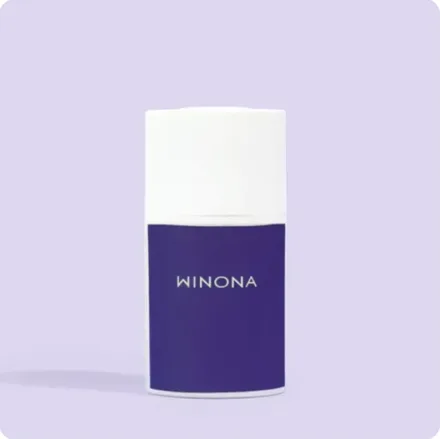
Many women now get menopause care through licensed telehealth services. Some, like Winona, work through a detailed online intake reviewed by a physician; others, like Midi Health, offer insurance-billed video visits. You can see how they stack up in our comparison of online HRT providers or on our HRT provider rankings.

This article is general information, not medical advice. A licensed clinician should decide what treatment, if any, is right for you.

Ready to compare weight loss providers?

See how top providers stack up on pricing, medical support, and treatment options.

Sources & medical references

Treatment facts on this page are grounded in regulatory guidance and peer-reviewed research. Pricing and plan details come from each provider's published information. This content is for information only and is not medical advice - always consult a licensed clinician before starting treatment.

  1. 1.FDA Approves Labeling Changes to Menopausal Hormone Therapy Products - U.S. Food & Drug Administration - February 2026
  2. 2.FDA Requests Labeling Changes to Clarify the Benefit/Risk Considerations for Menopausal Hormone Therapies - U.S. Food & Drug Administration - November 2025
  3. 3.The Women's Health Initiative Randomized Trials and Clinical Practice: A Review - Manson JE et al., JAMA - 2024;331(20):1748-1760
  4. 4.The 2022 hormone therapy position statement of The North American Menopause Society - Menopause (journal), The Menopause Society - 2022;29(7):767-794
  5. 5.The 2023 nonhormone therapy position statement of The North American Menopause Society - Menopause (journal), The Menopause Society - 2023
  6. 6.Menopause: identification and management (NG23, updated November 2024) - National Institute for Health and Care Excellence (NICE)
  7. 7.FDA Update on Estradiol Transdermal Patch Availability - U.S. Food & Drug Administration - 2026
  8. 8.Hormone Therapy for Menopause - patient FAQ - American College of Obstetricians and Gynecologists (ACOG)
  9. 9.Menopause - overview - National Institute on Aging (NIA), NIH