Some providers featured on this site may compensate us. This may affect the order and placement of listings but does not influence our editorial ratings or reviews.
Treatments Hub
Guide7 min read

Estrogen Patch Shortage 2026: What to Do & Alternatives

Can't fill your estradiol patch? What the FDA says, why it's happening, when supply may improve, and the alternatives to ask your prescriber about.

Updated November 6, 2026

Medical reviewer · How we review

Key takeaways

  • Estradiol patches have been hard to fill across the US since early 2026. The FDA says they're not officially in shortage, but pharmacists have listed them as short since January, and lawmakers have pressed the FDA to act.
  • The cause is demand: prescriptions rose from about 594,000 in June 2024 to 1.6 million in May 2026, after the FDA's November 2025 label change, and patches are slow to manufacture.
  • Your options are another patch brand or strength, a gel or spray, a pill, or a combined patch, but the switch and the new dose belong to your prescriber. Don't cut or double up patches on your own.
  • If you have a uterus, keep taking your progesterone whatever happens to the estrogen, and don't stop hormone therapy abruptly.

Is there an estrogen patch shortage in 2026?

The short answerIn practice, yes, even if not on paper. Women across the US have struggled to fill estradiol patch prescriptions for most of 2026. The FDA's position is that patches "are not in shortage" and remain available, a spokesperson told CBS News, while the pharmacists' professional body, ASHP, has listed them as short since January. Supply is growing but demand is growing faster. The fix for most people is a conversation with their prescriber about another brand, strength or form of estrogen.

If your pharmacy has turned you away, you're far from alone. In a survey presented at The Menopause Society's meeting in October, Midi Health reported that nearly half of its patients had struggled to get patches and 34% found their pharmacy out of stock; 10% of those affected had stopped hormone therapy altogether. That's company data, not a national survey, but it matches what doctors and pharmacists describe.


Why are estradiol patches so hard to find?

Mostly because far more women want them. Estradiol patch prescriptions rose from about 594,000 in June 2024 to 1.6 million in May 2026, according to HealthVerity data reported by CBS News, and patches now make up 44% of all estrogen prescriptions. The surge followed the FDA's November 2025 decision to remove the boxed warning from menopause hormone therapy labels, NBC News reported; our guide to the black box warning change explains what that decision did and didn't mean.

Patches are also hard to make more of quickly. They need specialized equipment, and manufacturers can't simply switch a pill line over, CNBC explained in June, when experts estimated it could take at least a year for supply to catch up.

When will the estrogen patch shortage end?

Nobody has given a firm date. In a September 3 update, the FDA said it was working with all six patch manufacturers to raise supply and that patches remain available, even if not always at your usual pharmacy. Pressure is building for more: eight House members asked the FDA in August to add patches to its official shortage list, and three senators wrote in October asking what it would take for the FDA to declare a shortage, citing ASHP's count of nearly 20 patch formulations with supply problems. They asked for answers by November 16, 2026.

There is one new option on the shelf. In October the FDA approved the first generic of Climara Pro, a once-weekly patch that combines estradiol with a progestin, for women who still have a uterus.

Are other forms of estrogen running short too?

Some are. Reuters reported on October 28 that the crunch is spreading as women look for alternatives: several estradiol injections are on ASHP's shortage list, and some vaginal estrogen creams are on backorder or allocation. Gels, sprays and pills have generally been easier to get, but availability varies by pharmacy and region, so it's worth calling ahead.

What can I use instead of an estrogen patch?

Start with the simplest swaps and work outward. Your prescriber makes the call, but these are the options to ask about:

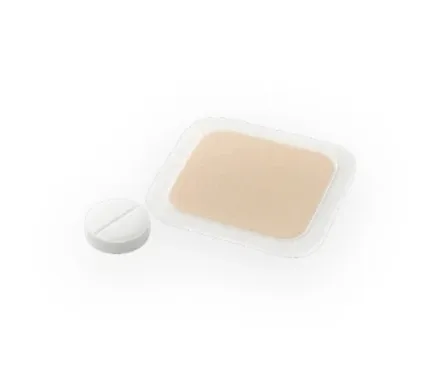
  • A different brand or strength of patch. The FDA suggests asking your pharmacist to look for another FDA-approved estradiol patch, AARP reports. A different manufacturer, or a twice-weekly instead of a weekly patch, may be in stock when yours isn't.
  • Estradiol gel or spray. These go on the skin like a patch, so they're the closest switch in how the estrogen enters your body.
  • Estradiol pills. Widely available and inexpensive, but swallowed estrogen behaves differently: it carries a higher clot risk than estrogen through the skin. Our comparison of the estrogen patch vs the pill covers who that matters for.
  • A combined patch, if you have a uterus, such as the new generic Climara Pro.
  • Compounded estradiol. Some providers offer compounded gels or creams, usually paid out of pocket. These aren't FDA-approved products, so ask what you're getting and why.

If you're between forms and struggling with symptoms, ask about non-hormonal treatments too.

Can an online HRT provider help during the shortage?

Often, yes, mainly because a menopause specialist can switch your prescription quickly instead of leaving you to call round pharmacies. Midi says its clinicians can move patients to a weekly patch or a daily gel covered by insurance, or to compounded options paid out of pocket. Online providers can also send a new prescription to whichever pharmacy has stock. Our guide to getting HRT online walks through how it works, and online HRT costs breaks down what you'll pay.

If you're looking for a provider, our three highest-ranked are below. Whichever you choose, tell them which patch and strength you're on now, and that you're having trouble filling it.

Our top 3 HRT providers

Our highest-ranked providers - the same cards, scores and verified details as our full comparison.

Our Most Popular
1
Winona logo

Exceptional

9.8out of 10

Menopause-focused telehealth prescribing body-identical hormone therapy

Menopause-focused physiciansLicensed US providers
  • Dedicated entirely to menopause and perimenopause
  • Free physician consultation - pay only if prescribed
  • Flat published prices ($39-$149/month by product); FSA/HSA eligible
  • Discreet home delivery in under 5 days; 24-hour physician messaging

from $39/month

Visit SiteRead full review
4.6Trustpilot(8,678)

Menopause-focused telehealth prescribing physician-directed, body-identical hormone therapy with discreet monthly delivery.

Read full Winona review
2
Midi Health logo

Excellent

9.6out of 10

Virtual perimenopause and menopause care, often covered by insurance

Menopause-trained cliniciansLicensed US providers
  • Clinicians trained in midlife women's health
  • Hormonal and non-hormonal treatment paths
  • Works with many major insurance plans
  • Ongoing virtual follow-up; labs ordered when needed

from $31.99

Visit SiteRead full review
4.1Trustpilot(1,707)

Virtual, insurance-friendly care for perimenopause and menopause with clinicians trained in midlife women's health.

Read full Midi Health review
3
Gala logo

Excellent

9.5out of 10

Doctor-prescribed hormone therapy at a flat $69/month - no membership, no insurance, no price rise at dose changes

Flat $69/month4.6 across 4,212 Trustpilot reviews
  • Flat $69/month - no membership fee, no price rise when your dose changes
  • Estradiol pill or patch, progesterone, vaginal estradiol, non-hormonal options
  • 100% online: telehealth visit, prescription and free discreet 1-2 day shipping
  • No insurance needed; FSA/HSA accepted; cancel anytime

from $69/month

Visit SiteRead full review
4.6Trustpilot(4,212)

Flat $69/month doctor-prescribed hormone therapy - no membership, no price rise at dose changes - estradiol pill or patch, progesterone and vaginal estradiol.

Read full Gala review

Is it safe to switch from a patch to gel, spray or pills?

Generally yes, with your prescriber setting the new dose. Doses don't convert neatly between a patch, a gel, a spray and a pill, so don't try to work it out yourself from a chart online. A few things your prescriber will want to check:

  • Your clot risk. If you've had a blood clot, have migraine with aura, or have other clot risk factors, moving from the skin to a pill needs a proper review.
  • Your progesterone. If you have a uterus, keep taking your progesterone whatever happens to your estrogen; it protects the lining of the womb. The dose may need adjusting after a switch. See our progesterone guide.
  • How you feel in the first weeks. A new form can feel different. Note any change in hot flashes, sleep, bleeding or mood and report it.

And try not to stop abruptly. Symptoms often come back quickly, which is reason enough to get a bridging prescription sorted before you run out.

Can I cut my patch or wear two smaller ones?

Not without asking. Some women are moved to two lower-strength patches when their usual strength is out of stock, but that's a prescription decision, not a home fix. Cutting patches is a different matter: many aren't designed to be cut, and the dose you get can become unpredictable. Don't stretch a patch beyond its wear time to make a box last longer either. If you're running low, call your prescriber now rather than the day you run out. You can also report supply problems to the FDA at drugshortages@fda.hhs.gov, as AARP notes.

HRT products from top online providers

Real HRT products and published prices from the online providers we rank.

Prescription required: a licensed clinician reviews your health history first. Prices as published in October 2026; confirm at checkout.

The bottom line

Estradiol patches are genuinely hard to get in 2026 because demand jumped after the label change and production is slow to catch up. You have good options: another brand or strength, a gel or spray, a pill if your risk profile allows, or a combined patch. Let your prescriber make the switch, keep taking progesterone if you have a uterus, and don't cut, double up or stop on your own. We'll update this page as the FDA responds; last checked November 6, 2026. For the wider picture, read what changed for menopause hormone therapy in 2026 and is HRT safe?. This is general information, not medical advice.

Ready to compare weight loss providers?

See how top providers stack up on pricing, medical support, and treatment options.

Medical disclaimer

This page is general information about hormone replacement therapy for menopause, published to help you compare services. It is not medical advice, it does not create a doctor-patient relationship, and it is not a substitute for a consultation with a licensed clinician who knows your history. Treatments Hub is not a medical provider, pharmacy or clinic and does not prescribe, sell or dispense medication. Do not start, stop or change any treatment because of something you read here, and do not delay seeking care; in an emergency call 911.

Systemic estrogen and progestogen therapy carries boxed warnings in its FDA labelling, and whether the benefits outweigh the risks depends on your age, time since menopause and personal and family history. Compounded hormone products are not FDA-approved. A licensed clinician who knows your history should decide whether HRT is appropriate and which form.

Medical and scientific statements on this site are checked against the sources linked on the page by our medical content reviewer, who does not choose providers or set prices. Prices, plans and customer reviews are each provider's published figures and customers' own words on the dates stated. We may earn a commission from provider links. The full medical and advertising disclaimer explains all of this in detail.

Sources & medical references

Treatment facts on this page are grounded in regulatory guidance and peer-reviewed research. Pricing and plan details come from each provider's published information. This content is for information only and is not medical advice - always consult a licensed clinician before starting treatment.

  1. 1.FDA Approves Labeling Changes to Menopausal Hormone Therapy Products - U.S. Food & Drug Administration - February 2026
  2. 2.FDA Requests Labeling Changes to Clarify the Benefit/Risk Considerations for Menopausal Hormone Therapies - U.S. Food & Drug Administration - November 2025
  3. 3.The Women's Health Initiative Randomized Trials and Clinical Practice: A Review - Manson JE et al., JAMA - 2024;331(20):1748-1760
  4. 4.The 2022 hormone therapy position statement of The North American Menopause Society - Menopause (journal), The Menopause Society - 2022;29(7):767-794
  5. 5.The 2023 nonhormone therapy position statement of The North American Menopause Society - Menopause (journal), The Menopause Society - 2023
  6. 6.Menopause: identification and management (NG23, updated November 2024) - National Institute for Health and Care Excellence (NICE)
  7. 7.FDA Update on Estradiol Transdermal Patch Availability - U.S. Food & Drug Administration - 2026
  8. 8.Hormone Therapy for Menopause - patient FAQ - American College of Obstetricians and Gynecologists (ACOG)
  9. 9.Menopause - overview - National Institute on Aging (NIA), NIH