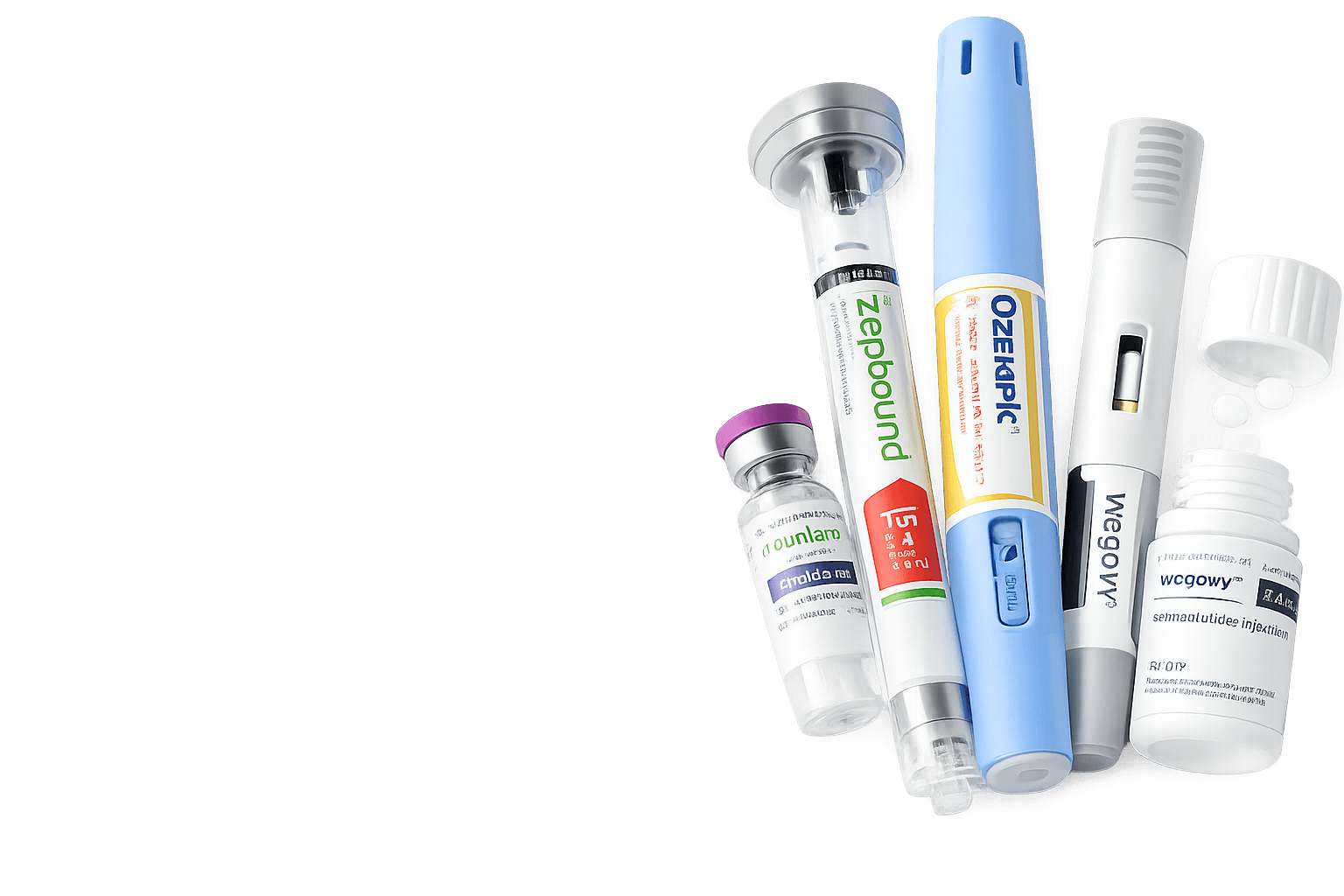
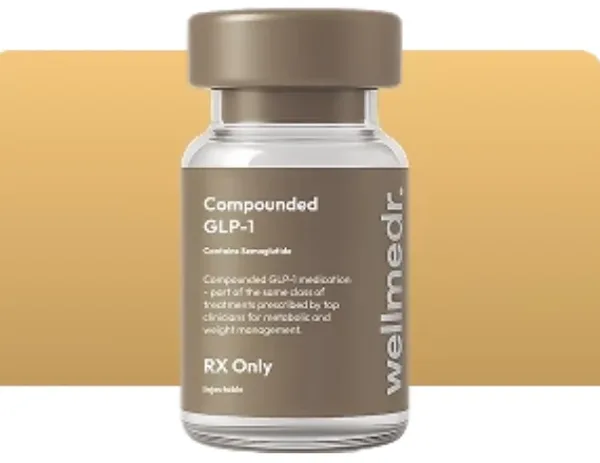
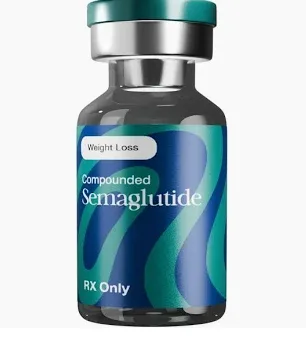
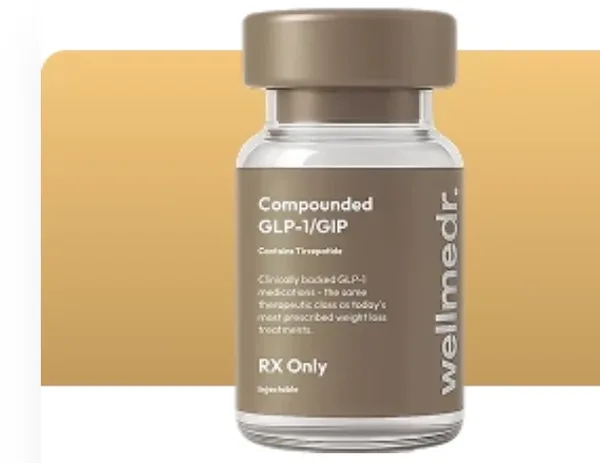
The price gap exists because the products differ. embody sells compounded semaglutide and compounded tirzepatide; ro's published pricing is for brand-name Wegovy and Zepbound. The compounded semaglutide vs brand Wegovy question, and the compounded tirzepatide vs Zepbound cost question, are the heart of this comparison.
Brand-name: FDA-approved, with trial results of their own
Wegovy (semaglutide) and Zepbound (tirzepatide) are finished products the FDA has reviewed and approved for chronic weight management. Their results come from large randomized trials. In the Wegovy prescribing information, adults on the 2.4 mg weekly injection lost an average of 14.9% of their body weight over 68 weeks against 2.4% on placebo, the STEP 1 result published in the New England Journal of Medicine in 2021. The Zepbound label reports 20.9% average weight loss at the top 15 mg dose over 72 weeks against 3.1% on placebo. In the one large head-to-head trial, SURMOUNT-5 (NEJM, 2025), 751 adults without diabetes lost 20.2% on tirzepatide and 13.7% on semaglutide at 72 weeks; that trial was open label and run by tirzepatide's maker. All of those figures come from brand-name medication, and more detail is in our GLP-1 weight loss results guide.
ro's brand-name shelf includes the Wegovy pill (oral semaglutide), which matters if you want to avoid injections; our Wegovy pill price guide covers its $149-then-$299 pricing at ro. If you are weighing a GLP-1 injection vs weight loss pill cost, note that at ro the pill's ongoing price ($299) sits in the same range as the pen's ($299 to $399), with the same membership on top of either; GLP-1 pills vs injections sets the two formats side by side.
Compounded: the same active ingredient, a different product, no FDA approval
Compounded semaglutide and tirzepatide are prepared by licensed pharmacies from the active ingredient. The FDA's own compounding questions and answers page (content current September 16, 2025) says plainly that compounded drugs are not FDA-approved, which means the FDA does not verify their safety, effectiveness or quality before they are marketed. There are no clinical trials of the compounded products themselves, so the trial figures above cannot be assumed for them. The FDA's page on concerns with unapproved GLP-1 drugs (content current October 1, 2026) describes adverse event reports, some requiring hospitalization, linked to dosing errors with compounded injectable semaglutide, where patients drew the wrong dose from a multi-dose vial or clinicians miscalculated it. It also lists, as a telehealth red flag, a company that claims its compounded drug is the same as an FDA-approved drug.
That is the trade-off embody's price buys. What makes it a reasonable trade for many people is the pharmacy and the prescriber. embody is LegitScript-certified and fills through US-based 503A compounding pharmacies, meaning state-licensed pharmacies that compound for an individual patient on a prescription. The rules around that got tighter after the shortages ended. On the FDA's page tracking its GLP-1 compounding policy (updated April 1, 2026), the agency records that it declared the tirzepatide injection shortage resolved on December 19, 2024, after re-evaluating an October 2, 2024 decision, and the semaglutide injection shortage resolved on February 21, 2025. Its April 1, 2026 reminder says a 503A pharmacy must compound for an individual patient based on a prescription and must not compound, regularly or in inordinate amounts, products that are "essentially copies" of a commercially available drug, unless a prescriber documents a change that makes a significant difference for that patient. The same update gives an example: semaglutide combined with vitamin B12 may still be treated as essentially a copy when the strengths are within 10% of the commercial products. And it notes that tirzepatide and semaglutide do not currently appear on the 503B bulks list or the FDA's drug shortage list, which restricts the larger outsourcing facilities. Our compounded vs brand-name semaglutide guide goes through what that means in practice.
Flat-rate titration vs dose-tier pricing
One practical difference hides inside the medication question. Both semaglutide and tirzepatide are started low and stepped up over months, and the dose you stay on is the one that produced the trial results. embody prices its compounded medication flat at every dose: $49 or $99 whether you are at the starting dose or the maintenance dose. ro's brand-name prices step up after the introductory period: the Wegovy pill is $149 the first month and $299 after, the Wegovy pen from $199 at intro rates and then $299 to $399, the Zepbound KwikPen from $299 and then $399 to $449. For the pill, our Wegovy pill guide notes that the manufacturer's reported self-pay tiers also rise with dose, so the lowest price belongs to the dose you leave behind. Whichever provider you use, a clinician decides your starting dose and titration plan; neither company lets you choose a dose from a menu, and this guide gives no dosing instructions.